
Reviewed · BANFF GONDOLA & SULPHUR MOUNTAIN
Banff: Mount Norquay 2.5 or 4-Hour Guided Via Ferrata Climb
Steel cables and big views, no climbing background needed.
On Mt Norquay, just 10 minutes from Banff, you get harnessed to a steel cable and taught how to use it. You’ll ride a chairlift up, clip in, and climb real alpine buttresses under the eye of guides like Katsu and Amanda, who have a knack for keeping first-timers calm and smiling. The best part is the payoff: mountain views that hit hard, even when it’s your first day with via ferrata.
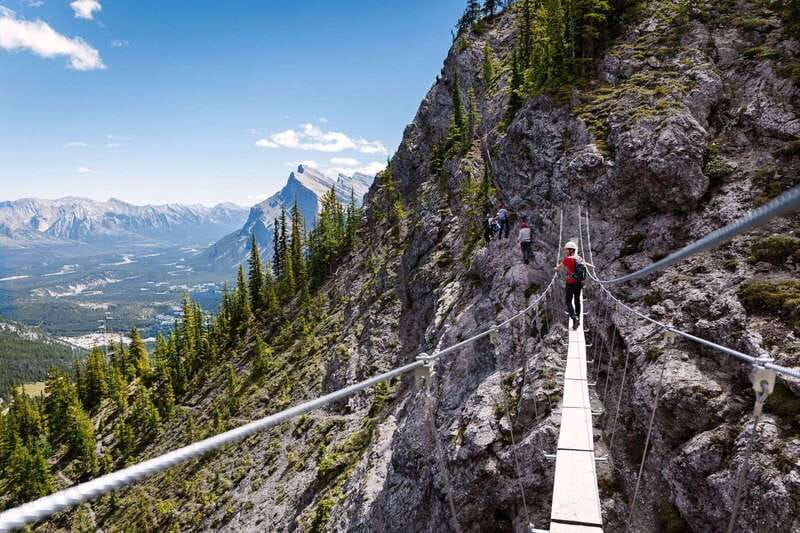
Two things I really like: the hands-on safety coaching and the big via ferrata moments you normally see only in climbing videos. One guide moment, and suddenly the gear makes sense. Another moment, and you’re crossing a 30-meter suspension bridge that genuinely feels like you’re out on display for the Rockies. The other nice detail is that the group stays small (max 8), so you get personal attention instead of feeling like a number.
Here’s the one drawback to weigh: you’re still close to the edge. Even though you’re attached to a cable, if heights make you panic, the exposure can be too much for you. This tour is built for coaching and confidence, not for people who freeze hard with vertigo.
In This Review
- Key highlights you’ll feel on this climb
- Via Ferrata at Mt Norquay: What It Really Feels Like
- Explorer Route vs Ridgewalker: Two Lengths, Two Types of Reward
- Explorer Route (about 2 to 2.5 hours)
- Ridgewalker Route (about 3.5 to 4 hours)
- Chairlift Start and Gear Check: The Confidence-Building Setup
- The Steel Bridge Moment: 30 Meters of Exposure (and How to Handle It)
- Summit Ridgewalker Views: Photos, Wind, and When Weather Changes Everything
- How Hard Is It: Leg Work, Height Feel, and Real-World Pacing
- Price and Value: Is $145 Worth It?
- What to Wear and Bring So You Enjoy It
- Who This Via Ferrata Tour Fits Best (and Who Should Skip It)
- Should You Book Mt Norquay Via Ferrata?
- FAQ
- What is the minimum age for this Mount Norquay via ferrata tour?
- Do I need any previous climbing experience?
- How long is the tour on the Explorer Route and Ridgewalker Route?
- How high do I climb on each route?
- What safety gear is included?
- Is there a suspension bridge?
- Does the tour include transportation from Downtown Banff?
- Are hiking boots or rain gear provided?
- What are the weight limits for the activity?
- Can I cancel and get a refund?
Key highlights you’ll feel on this climb
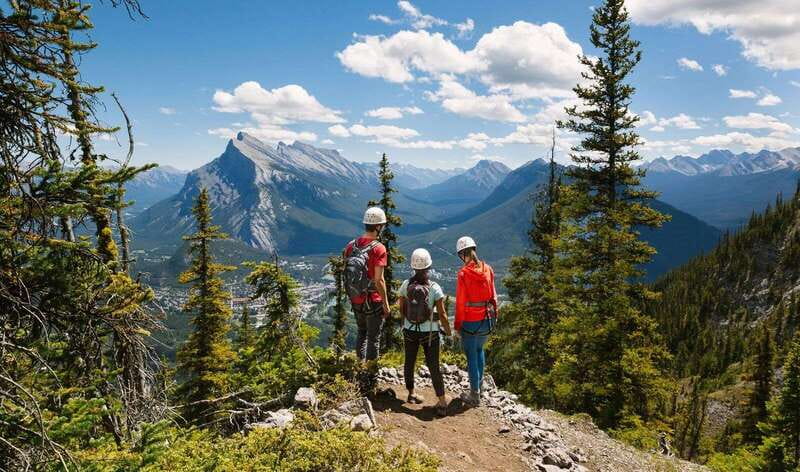
- 30-meter suspension bridge plus steel ladder holds on Norquay’s cliffs
- Explorer or Ridgewalker routes designed for first-timers through more committed views
- Practice first, then move to real buttresses once you’re clipped in confidently
- Chairlift ride up to start higher than you could walk on your own
- Small groups (max 8) with 1 guide for every group of 8
Ride higher with more Banff Gondola and Sulphur Mountain picks in Banff
- Banff: Banff Gondola Admission Ticket★ 4.7 · 3,698 reviews
- Banff Gondola Ride Admission★ 4.5 · 2,688 reviews
- Banff: Mount Norquay 2.5 or 4-Hour Guided Via Ferrata Climb★ 4.9 · 305 reviews
- Banff: Sunshine Sightseeing Gondola and Standish Chairlift★ 4.7 · 235 reviews
Via Ferrata at Mt Norquay: What It Really Feels Like
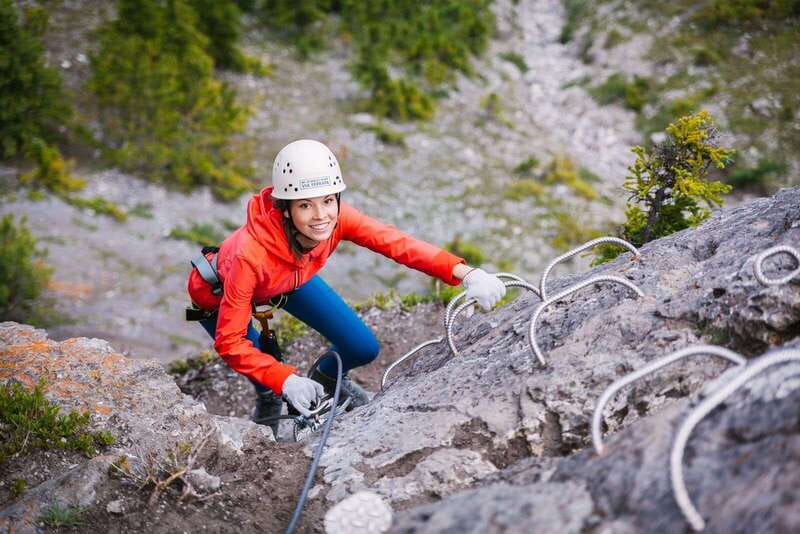
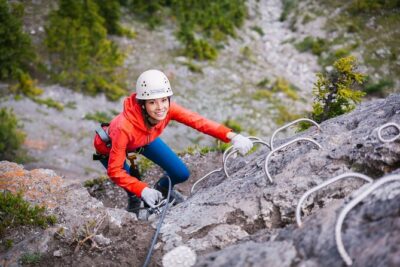
Via ferrata is a form of climbing built for non-climbers—because the mountain gives you help. Steel cables run along the route. You wear a harness and connect with lanyards so you stay clipped in during the key moves. The result is a strange but brilliant feeling: you’re doing dramatic climbing, yet you’re not doing it alone.
At Mt Norquay, the steel holds and fixed lines turn the climb into a series of short, solvable tasks. Step here. Clip there. Move your hands like this. That’s why first-timers finish grinning. In multiple guide stories—from people who were nervous about heights to people climbing on a 70th birthday—the common thread is reassurance: the guides watch your body position and talk you through the hard parts.
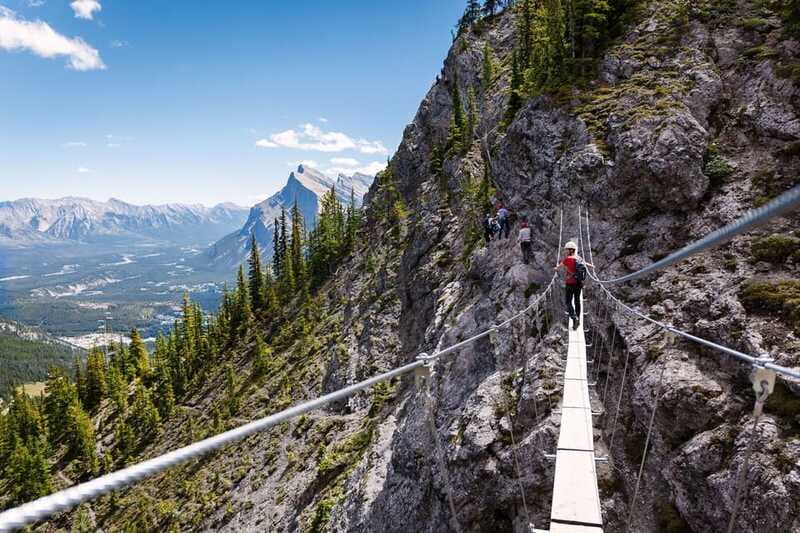
And yes, you’ll have moments that feel scary in the best way. A 30-meter suspension bridge across the cliffs does that. So do ladder sections mounted to the rock. But the safety system is not an afterthought. You’re harnessed and guided the whole time you’re doing the more technical moves, so your energy goes into climbing, not into figuring out how not to mess up.
Explorer Route vs Ridgewalker: Two Lengths, Two Types of Reward
This tour gives you two routes, and choosing the right one is half the fun.
Explorer Route (about 2 to 2.5 hours)
The Explorer route is the easier on-ramp. It’s aimed at people who want the via ferrata experience without making the day too long. Expect training and then a few climbs leading you toward the classics like buttresses and the suspension crossing.
On the Explorer option, you go to 2,235 meters (7,332 feet). The route covers about 1 kilometer and has around 145 meters of elevation gain. In plain terms: you’ll work your legs, but you won’t feel like you’re spending hours “stuck” on the wall.
Ridgewalker Route (about 3.5 to 4 hours)
If you want more time up high, Ridgewalker is the full send for first-timers. It’s longer, a bit more committing, and gives you a stronger sense of exposure and rhythm.
For Ridgewalker, you reach a 2,300-meter (7,545 feet) summit ridge area. The route covers about 1.4 kilometers with around 260 meters elevation gain. The climbing also includes multiple buttresses on Norquay’s cliffs—your route mentions the memorial, sunrise, and vista buttresses—plus the suspension bridge traversal.
At the top, you stop for photos and then head back down. People who extend from the shorter option tend to say the extra time is where the memory gets big.
Clip in for more via ferrata and climbing routes near Banff
Chairlift Start and Gear Check: The Confidence-Building Setup
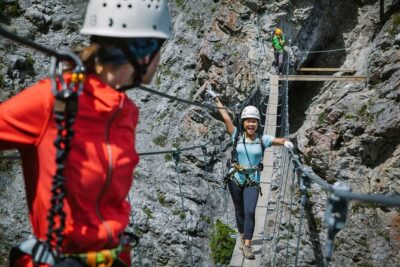
A lot of outdoor adventures start with chaos. This one starts with structure. You’ll meet your guide at Mt Norquay (meeting point can vary by option), check in, then get fitted with the essentials: harness, helmet, and lanyards. You’ll also get a safety briefing and equipment training before you start climbing.
Then comes the chairlift. It’s more than a transfer. It helps you arrive at via ferrata height with less slog and more time for the real moment—those first clips and the first steps on steel ladder holds. It also sets expectations: you’re not walking into a hike. You’re joining a controlled climbing route.
Before the first “real” section, you do a short move from check-in to the first buttress. The info provided says about a 5-minute walk to your first via ferrata climb spot after training. That short transition matters. It means your brain stays sharp and you’re not tired from wandering around before you’re clipped in.
Also, the small group size (max 8) changes the vibe. With a guide-to-guest ratio of 1 guide for every 8 participants, there’s time for adjustment. People in the experience stories often mention guides who notice nerves early and coach through them instead of just pushing the group onward.
The Steel Bridge Moment: 30 Meters of Exposure (and How to Handle It)
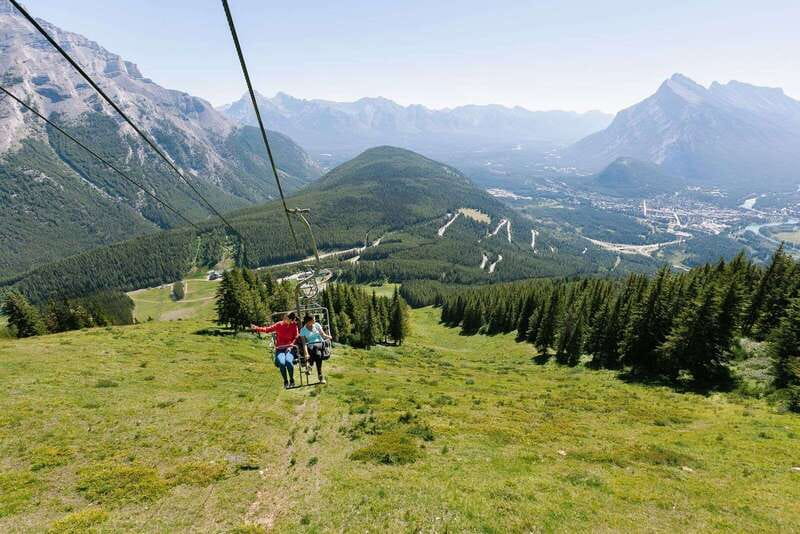
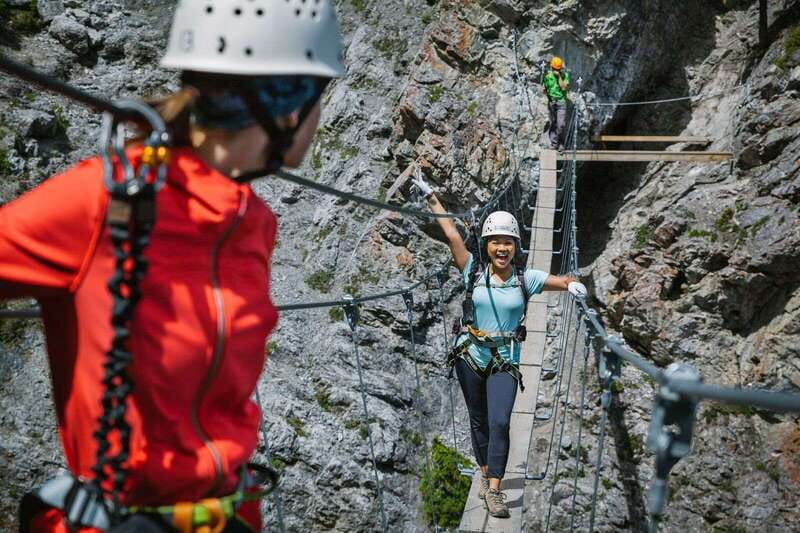
If you’re deciding based on the “will I regret this?” factor, the suspension bridge is the moment. It’s called out for a reason: it’s a dramatic line through the air, and it’s long enough to make your brain pay attention.
You cross a 30-meter suspension bridge, with the route then continuing on toward buttresses and fixed steel features. Some first-timers assume “via ferrata” will feel like a theme park. The bridge corrects that assumption fast. Your arms do work too, not just your legs.
Here’s the practical way I’d think about it:
- Move steadily and don’t rush. Rushed steps make your body tighten up.
- Focus on the next handhold, not the distance.
- If you feel your mind spinning, the best thing is to keep looking at the path your guide is coaching.
From the guide stories, what makes the bridge manageable is not bravado. It’s the guide’s calm presence. People describe guides like Alex and Zack as particularly grounding, even when someone in the group is afraid of heights. That’s consistent with how this kind of safety coaching works: the route has fixed protection, but your balance and pace are still yours to control.
Summit Ridgewalker Views: Photos, Wind, and When Weather Changes Everything
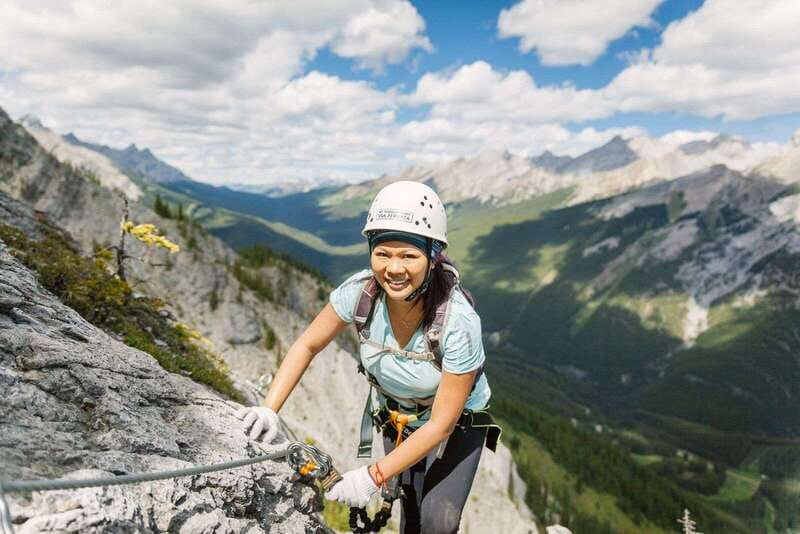
Ridgewalker is the one that earns the “I can’t believe I’m up here” reaction.
Once you’re on the Ridgewalker route, you’re climbing toward a 2,300-meter summit ridge. You’ll pause near the top for photos. And yes, you’ll look back and see what you climbed. That retrospective view is part of the reward loop. You don’t just conquer a sequence. You understand the shape of it.
The view quality depends on the day. One experience note mentions haze from wildfires, which can dull the “crystal clear” feeling. It doesn’t ruin the climb, but it changes how punchy the long-range views are. If you’re visiting during peak summer wildfire risk, expect that some days look more muted than others.
What helps is knowing the layout of the reward:
- You climb a route with fixed protection and visible steel features.
- You work up to a ridge where the terrain opens.
- Then you get a return descent, so the view isn’t a one-second postcard.
If you hate the idea of being “stuck” with no payoff, this route design makes the payoff clear. Even people who did Ridgewalker in a bit over 3 hours still described it as worth extending for the higher ridge feel.
How Hard Is It: Leg Work, Height Feel, and Real-World Pacing
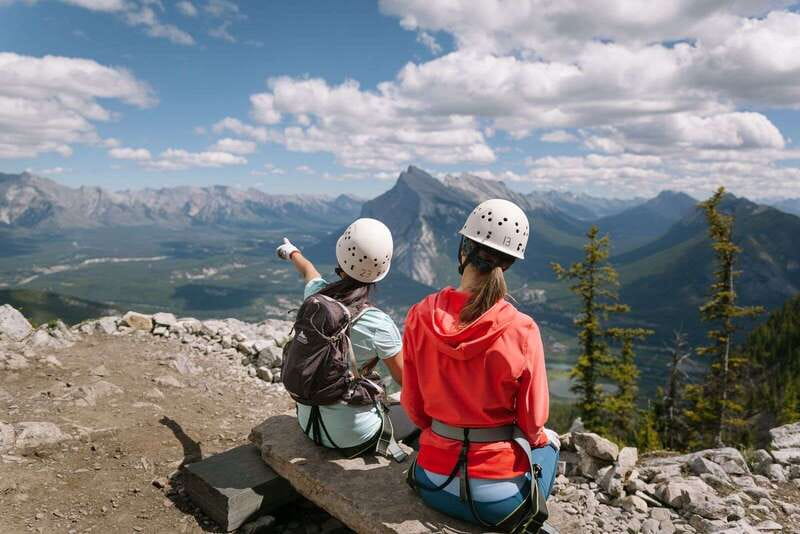
Physically, this is described as doable for all abilities including people with no previous experience. But “no experience” does not mean “no effort.”
Explorer tops out around 145 meters elevation gain; Ridgewalker is closer to 260 meters. That’s not Everest math, but it’s enough to wake up your quads when you’re climbing buttresses and moving between fixed holds.
Mentally, difficulty comes from two places:
- Your body in gear while attached to a cable.
- The exposure of suspension and open cliffs.
This is where the guide matters. In the stories, people consistently say they felt safe. They also describe guides as patient with nervousness and supportive with technique—like where to place feet or how to move your weight. That’s the difference between trying via ferrata alone (not something this tour is set up for) and doing it with coaching.
A quick note on limits: you must meet the minimum age of 12 and the weight range of 40 kg to 140 kg (88 to 308 lbs). There are also limits for mobility impairments; this route is not suitable for that category.
If you’re in good walking shape and you can wear approved hiking footwear comfortably, you’re the target audience. If you struggle with balance on stairs or feel panicky around railings, you should think twice and be honest with yourself about vertigo.
Price and Value: Is $145 Worth It?
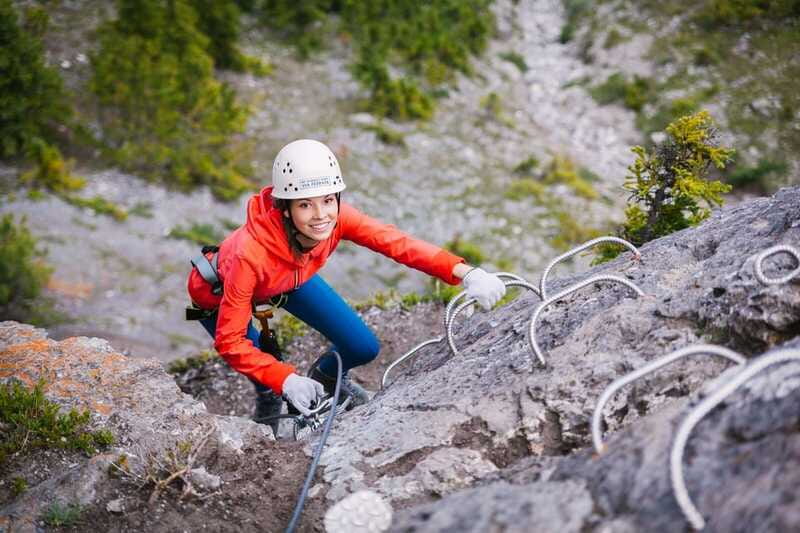
At $145 per person, this isn’t the cheapest thing to do in Banff. But it also isn’t “just a view.” You’re paying for a full safety setup and real mountain access with a professional guide.
Here’s what you get that drives value:
- Expert guide with coaching for small groups (max 8)
- All safety equipment: harness, helmet, and lanyards
- Chairlift to the tour starting point
- Free shuttle bus from Downtown Banff
- Complimentary hiking boot and rainwear rental (sizing can’t be guaranteed)
And you add a big fixed-feature bonus that self-guided hikers usually can’t access: the suspension bridge and the via ferrata ladder/hold system on Norquay’s cliffs.
Food isn’t included, but snacks and drinks are available for purchase at the Cliffhouse Bistro after your tour, so you’re not forced into an empty stomach turnaround. In a practical sense, that means you can plan a normal day around it: climb, then refuel.
If you’re trying to stretch your Banff budget, this tour is a good “splurge” choice because it’s active, hands-on, and different from the standard scenic drives and lake viewpoints. You also get photos taken by the guide in many of the experience stories, which can lower the hassle of documenting the day.
What to Wear and Bring So You Enjoy It
Show up ready to move. The tour staff will approve your footwear, so don’t count on flip-flops or brand-new shoes that rub.
Bring:
- Snacks
- Water
- Rain gear
- Hiking shoes
Wear:
- Suitable hiking footwear that staff approves.
Rental help:
- Complimentary hiking boots and rainwear are available, but sizing isn’t guaranteed. If you have strong preferences, bring your own footwear.
A couple of small “make it easier” rules:
- Arrive at least 30 minutes early so check-in and the safety waiver process don’t feel rushed.
- Plan to sign a liability waiver upon check-in.
Also note the route depends on conditions. If it’s wet or windy, your rain gear matters more than you think.
Who This Via Ferrata Tour Fits Best (and Who Should Skip It)
I’d book this if you want:
- A first via ferrata climb that still feels like a real mountain adventure
- Coaching that helps with technique and nerves
- A day that mixes effort with payoff views from a Banff-area ridge
It’s also a good match for people who like structured adventure. You get a chairlift, equipment fitting, a training wall, and a guided route. In the experience stories, guides like Amanda and Luke are described as patient and tuned in to nerves, which makes the “I’m scared” moment feel workable rather than embarrassing.
Skip it if:
- You’re under 12
- You don’t meet the 40–140 kg weight limits
- Heights trigger full panic. The guides can coach you, but the exposure is still real.
- You have mobility impairments that make the route unsafe or unmanageable. The tour notes it’s not suitable for that category.
One more reality check: even when via ferrata feels less physically extreme than some people expect, you should still prepare for leg fatigue. Many people mention that their legs felt it toward the end, especially on Ridgewalker.
Should You Book Mt Norquay Via Ferrata?
Book this if you want a guided, safety-first way to try via ferrata in Banff without pretending you’re a climber. Choose Explorer if you’re time-limited or want a shorter intro. Choose Ridgewalker if you want more climbing time and a bigger “ridge summit” payoff.
Don’t book it if heights are your deal-breaker. The gear helps, the cables help, and the guides like Alex and Zack can keep you grounded—but you’re still stepping onto a route with suspension and cliff exposure.
If you’re on the fence, here’s my practical call: plan this for a day when you can be present, bring water and rain gear, and tell the guide upfront if you’re nervous. The whole experience is built around that coaching moment. When it clicks, you’ll be glad you did the climb that most people only watch from the ground.
FAQ
What is the minimum age for this Mount Norquay via ferrata tour?
The minimum age is 12 years old.
Do I need any previous climbing experience?
No previous experience is needed. The tour includes equipment training and practice before you climb on the route.
How long is the tour on the Explorer Route and Ridgewalker Route?
The Explorer Route is about 150 minutes to 2.5 hours. The Ridgewalker Route is about 3.5 to 4 hours.
How high do I climb on each route?
Explorer Route: about 2,235 meters (7,332 feet).
Ridgewalker Route: about 2,300 meters (7,545 feet).
What safety gear is included?
You get all safety equipment, including a harness, helmet, and lanyards.
Is there a suspension bridge?
Yes. The route includes a 30-meter suspension bridge.
Does the tour include transportation from Downtown Banff?
Yes. A free shuttle bus from Downtown Banff is included.
Are hiking boots or rain gear provided?
Yes. Complimentary hiking boot and rainwear rental are available, though sizing cannot be guaranteed.
What are the weight limits for the activity?
The minimum weight is 40 kilograms (88 pounds) and the maximum weight is 140 kilograms (308 pounds).
Can I cancel and get a refund?
Yes. There is free cancellation up to 2 days in advance for a full refund.
More Via Ferrata & Climbing near Banff
More Gondola & Summit Rides in Banff
More Tour Reviews in Banff
Still scrolling? A few other Banff adventures worth a spot on the itinerary
Banff Gondola & Sulphur Mountain, compared.
 ★ 4.7Banff Gondola Admission TicketFrom $533,698 reviews
 ★ 4.5Banff Gondola Ride AdmissionFrom $552,688 reviews
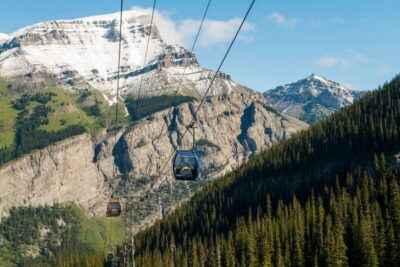 ★ 4.7Sunshine Sightseeing Gondola and Standish ChairliftFrom $53235 reviews
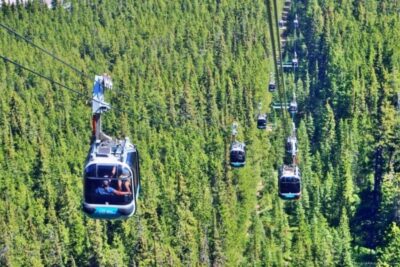 ★ 4.5Louise Louise, Banff Gondola, Minnewanka & Emerald LakesFrom $76224 reviews
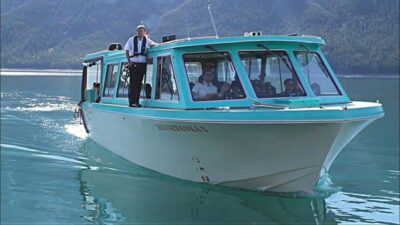 ★ 4.5Gondola, Hot Spring and Three Lakes TourFrom $79198 reviews
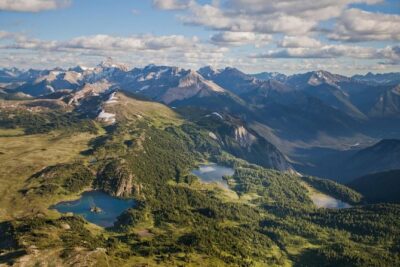 ★ 5.0Banff Sunshine Village Gondola and SightseeingFrom $55192 reviews
 ★ 4.5Banff Tour with Gondola & Lake Cruise – roundtrip from BanffFrom $211168 reviews
 ★ 4.8Gondola, Hot Springs, Bow falls & Three lakes tourFrom $57157 reviews
Browse the lists this tour appears in