
Reviewed · BANFF VIA FERRATA & ROCK CLIMBING
Banff: Introduction to Ice Climbing for Beginners
Ice feels close and quiet at the same time.
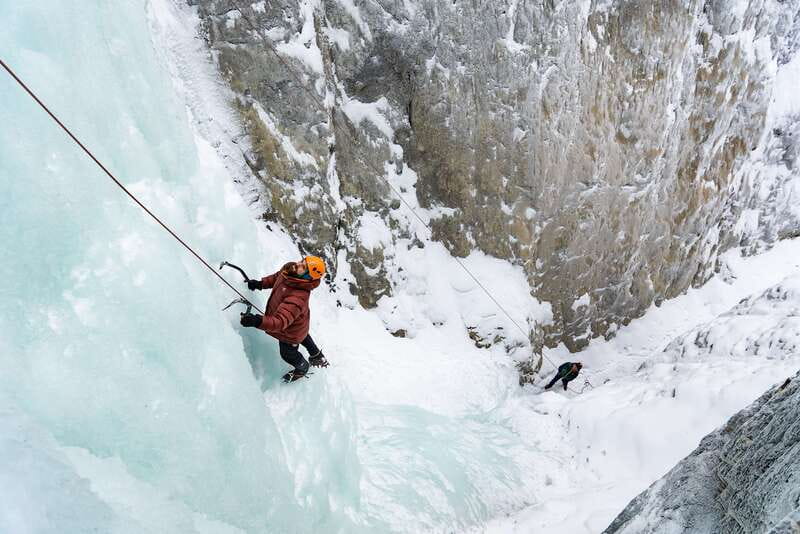
This beginner program in the Banff area turns a frozen waterfall into a hands-on learning day, with safety-first coaching and real skills you can carry beyond the trip. You get the structured basics of crampons and movement, then you progress toward top-rope belaying while working in an outdoor winter setting.
I love how guided this feels from the start: you’re taught the fundamentals, not just handed gear and sent off. I also like that the day is designed to keep you actively trying, including climbing setups that can match different comfort levels.
One possible drawback: you’ll need to handle your own driving to the meeting point and out to the ice site, and winter conditions can be brutally cold—so plan for serious warmth.
In This Review
- Key Highlights You’ll Actually Use
- First Impressions: Banff Ice Climbing Without the Guesswork
- Gear, Meet-Up, and Driving: Plan Your Day Like a Pro
- What’s included (and what that means for your budget)
- What you need to bring
- Transportation is on you
- The Safety-First Start: How You Get Ready to Climb
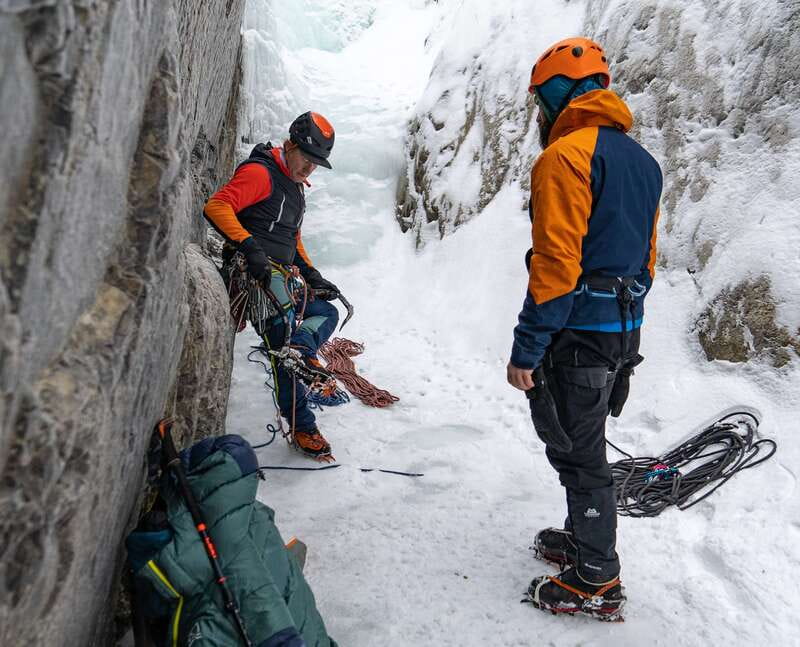
- Crampons and Body Position: The Skills That Make Ice Feel Understandable
- Top-Rope Belay Basics: Learn the System Before You Rely on It
- The Frozen Waterfall: What You’ll Do During Climbing Time
- Staying Warm in Real Winter: Comfort Isn’t Optional
- Price and Value: Is $179 Worth It for 7 Hours?
- Who This Course Fits Best (and Who Should Skip It)
- Booking and Timing: Know What Can Change
- Should You Book This Ice Climbing Course?
- FAQ
- Where do I meet the guide?
- How long is the experience?
- Where does the climbing take place?
- Is transportation included?
- What climbing gear is included?
- Do I need to bring food and drinks?
- What should I wear?
- How old do you have to be?
- Who provides the instruction?
- Is the activity beginner-friendly?
Key Highlights You’ll Actually Use
- Crampon walking fundamentals that help you move safely and confidently on ice.
- Top-rope belay coaching, so you understand the system before you rely on it.
- An ACMG-certified mountain guide (and guides with relevant alpine certifications) running the day.
- Technical gear included, including helmet, harness, boots, crampons, and ice axe.
- Two difficulty rope options on the same day, which means more chances to climb.
- Beginner-focused body positioning tips to improve your balance and technique fast.
Clip in for more via ferrata and climbing routes near Banff
- Banff: Mount Norquay 2.5 or 4-Hour Guided Via Ferrata Climb★ 4.9 · 305 reviews
- Small-Group Guided Via Ferrata Climbing with Banff’s Best Views★ 5.0 · 195 reviews
- Half-Day Guided Via Ferrata Climbing Tour in Banff★ 5.0 · 30 reviews
- Rock Climbing Adventure in Banff: Beginner★ 5.0 · 19 reviews
First Impressions: Banff Ice Climbing Without the Guesswork
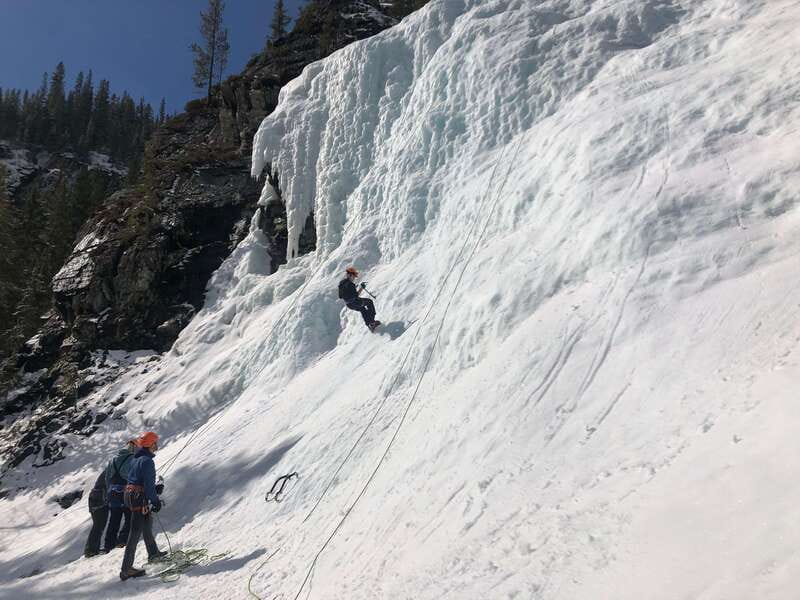
If you’ve only ever watched ice climbers on YouTube or in winter photos, this course is built to translate that look into something you can actually do. The big value here is that your day is organized around teaching. You’ll spend time learning what each piece of gear does, how your body should feel on the ice, and what “safe” looks like when you’re moving vertically on frozen rock.
I also like that the vibe is practical. This is not a lecture-heavy day. It’s a skills day, in real winter air, with certified instruction and enough time to try multiple movements instead of just getting one photo and leaving.
And yes, this kind of winter activity can be intimidating. The good news is that the program is intentionally set up for beginners, using a safety-oriented approach that starts with the basics and builds step by step.
Gear, Meet-Up, and Driving: Plan Your Day Like a Pro
You’ll meet at the Alpine Air Adventures office at 229 Bear St, lower level, under the movie theatre. Your day starts early—expect to meet around 8–9am and finish around 3–4pm (the program is listed as a 7-hour experience, but winter days can flex depending on conditions and location).
What’s included (and what that means for your budget)
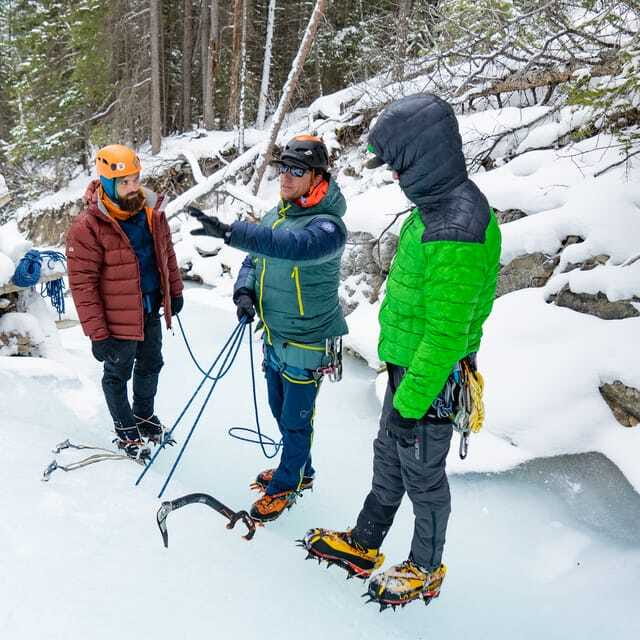
Included in the price is the core technical setup:
- helmet
- harness
- boots
- crampons
- ice axe
This matters. Renting or sourcing crampons and an ice axe can quietly become a cost barrier for many people. Here, you’re paying for instruction plus the kit you need to learn correctly, not just a guided walk.
What you need to bring
Bring warm clothing and the stuff that keeps your hands functional:
- jacket
- gloves
- snow clothing
- warm layers
- food and drinks
One practical point: ice climbing is physical, but cold can shut down your ability to grip and move. Dress to stay warm even when you pause.
Transportation is on you
Transportation is not included, and you’ll need your own vehicle to drive to both the meeting location and the climbing site. That means you should factor in cold-weather driving time and parking at the site if conditions change.
Also note: the field day is scheduled in Banff, Lake Louise, or Field BC, and the location may shift based on conditions. You’ll get detailed logistics in a course package emailed 3 days prior.
The Safety-First Start: How You Get Ready to Climb
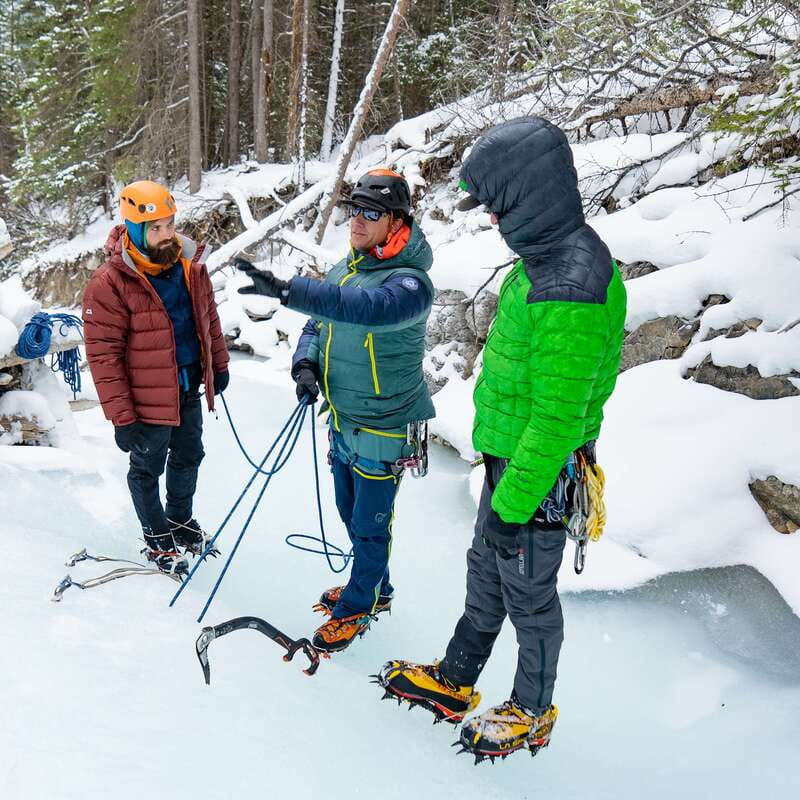
Before you’re anywhere near the “fun part,” you’ll go through a safety briefing and instruction. For beginners, this is where confidence gets built. You learn how the gear fits, how the system works, and what the guide expects from you during climbs and movements.
You’re being taught in a way that matches beginner pace: fundamentals first, then more climbing. All guides are ACMG-certified mountain guides, and they also hold other relevant certifications such as IFMGA and Canadian Avalanche Association certification. That combination matters because winter training isn’t only about climbing technique. It’s also about the wider environment and safe decision-making.
A real-world detail from one cold-day experience: guide Shea was especially focused on warmth during a -20°C day. That kind of hands-on pacing is exactly what you want on your first ice climbing course, because cold can turn minor discomfort into a safety issue fast. The day included extra planning to keep the group comfortable enough to keep trying.
Crampons and Body Position: The Skills That Make Ice Feel Understandable
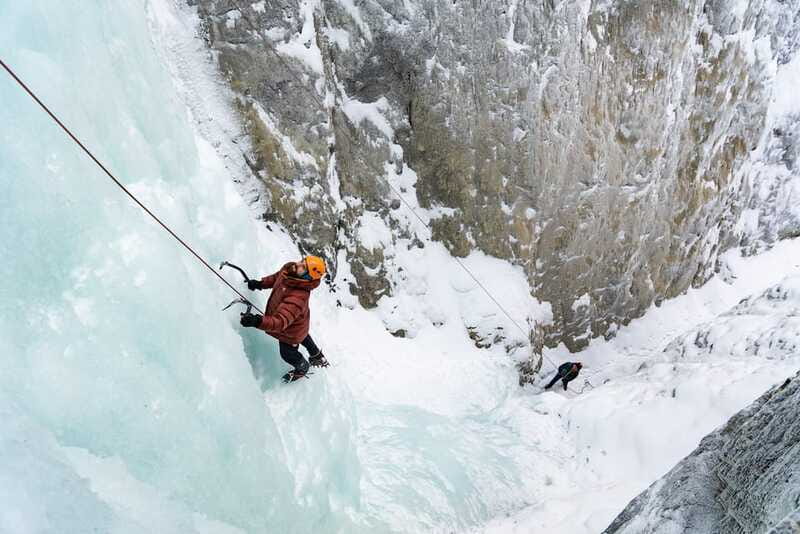
The first movement lesson is usually the one that surprises beginners: walking on crampons. Crampons change how your feet behave. You can’t step like you’re in boots on a sidewalk. You have to learn where pressure goes, how to place your feet deliberately, and how to avoid “sloppy” steps that waste energy or reduce control.
You’ll also work on body positioning—how your weight shifts, how to keep balance, and how your stance connects to where you’re going next. This is the quiet superpower of good ice climbing instruction: you stop guessing and start using your body like a tool.
If you’ve ever struggled with balance on slick surfaces, this is your fix. The guide’s coaching helps you understand the mechanics—so you can correct quickly instead of just holding on and hoping.
Top-Rope Belay Basics: Learn the System Before You Rely on It
A big reason beginners like this program is that it teaches you the top-rope belay process. You’re not expected to become an expert climber by lunch, but you should leave knowing how the system works and what the guide is doing with you as you climb.
Belaying isn’t just a technical chore for someone else. When you understand it, you climb with a calmer mind. That matters on ice, where fear can lead to stiff movement, and stiff movement can lead to mistakes.
During instruction, you’ll learn and practice the movement flow around the ropes—so when you’re actually climbing, you’re not thinking about the safety steps for the first time.
The Frozen Waterfall: What You’ll Do During Climbing Time
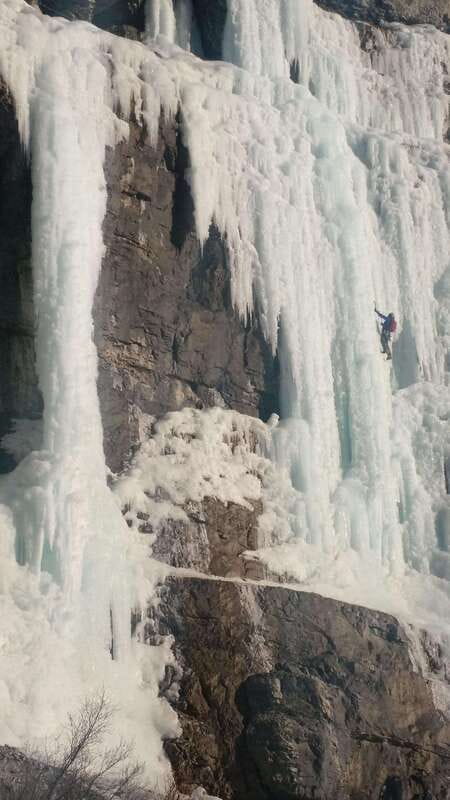
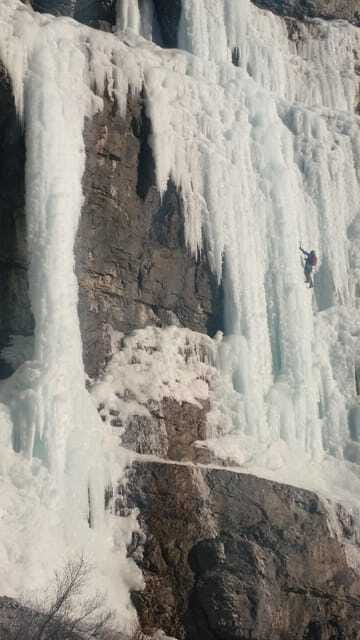
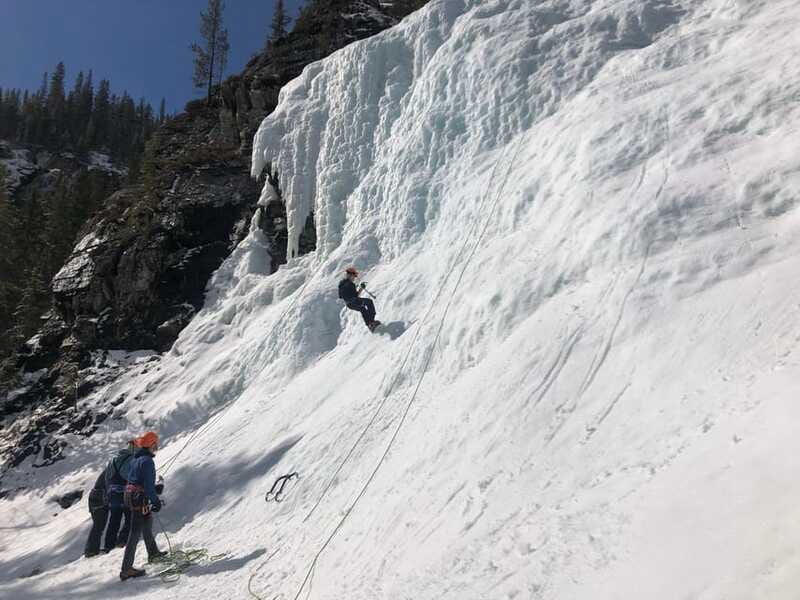
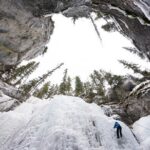
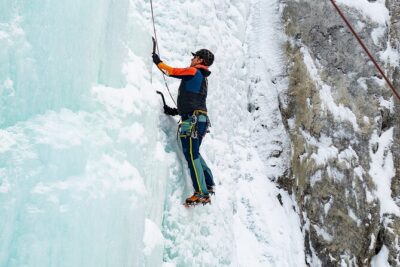
The main event is climbing a frozen waterfall in a winter setting around Banff/Lake Louise/Field BC. Even as a beginner, you should expect to get real climbing time rather than just hanging around in a basecamp mode.
The day is designed to move you from learning to doing. You’ll likely spend time working on technique and then apply it during the climbing segment.
One of the most praised aspects is how guides structure climbing attempts. On at least one extremely cold day, two different level ropes were set up, letting the group choose a slightly easier or more challenging course. That approach isn’t just about fun. It’s about keeping people warm and engaged while still offering progress and challenge.
So you get what you actually came for: you’ll be trying moves, not just watching.
Staying Warm in Real Winter: Comfort Isn’t Optional
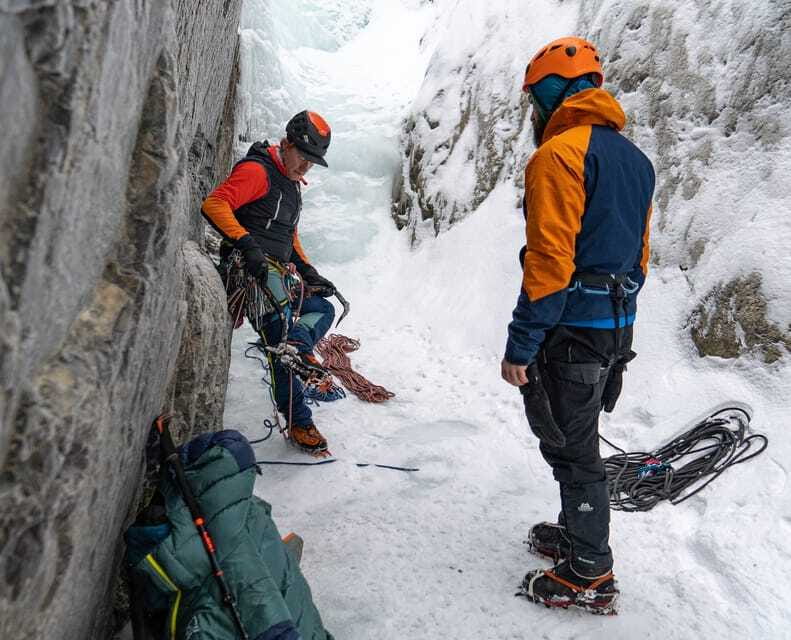
Ice climbing is one of those activities where your success depends on temperature and your ability to keep your hands and body working. The program’s approach acknowledges this. In the cold, you don’t want long dead time. You want short coaching bursts, quick attempts, and guidance that helps you maintain good movement even when it’s brutally cold.
If you’re coming with friends, you’ll likely notice that the group dynamic helps. You’ll share the learning moments, laugh at how weird crampon walking feels at first, and then progress together. On the -20°C day, guide Shea aimed to keep the cold from jeopardizing the experience—meaning the schedule and coaching were mindful of warmth, not just technique.
Price and Value: Is $179 Worth It for 7 Hours?
At $179 per person for about 7 hours, the value is strongest when you look at what’s included. You’re getting:
- an ACMG-certified guide
- safety briefing and instruction
- technical gear (helmet, harness, boots, crampons, ice axe)
That package is the key. You’re not paying extra for basic rentals and you’re not trying to figure out your own setup. For beginners, that reduces both cost and risk. You also get structured learning time—so you’re not just paying to “try once,” you’re paying to build fundamentals.
The only extra cost you’re likely to carry is food and drinks, plus the practical cost of your own transportation to the site.
Who This Course Fits Best (and Who Should Skip It)
This program is a clear match if you’re:
- a beginner who wants structured coaching
- looking for a fun winter activity with friends
- interested in learning a new winter hobby in a safety-minded way
It’s also a better choice than many outdoor “try it” experiences because the instruction focuses on skills, including crampon walking and belaying fundamentals.
It’s not suitable for:
- children under 14
- pregnant women
- people with mobility impairments
- wheelchair users
If you’re unsure about your comfort with cold, take that seriously. Warm gloves and proper winter layering are not a suggestion here.
Booking and Timing: Know What Can Change
The program runs with a minimum group requirement. The group booking needs at least 4 bookings to move forward, so you should verify availability if you’re planning tightly. If you do book and need flexibility, free cancellation is available up to 24 hours in advance for a full refund, and there’s a reserve-and-pay-later option that lets you secure your spot without paying immediately.
Time-wise, your day is a long mid-day block. Expect to meet early and finish in the afternoon window, with some variation based on conditions and the final climbing site.
Should You Book This Ice Climbing Course?
I’d book it if you want a beginner-friendly way to learn ice climbing skills in the Banff area and you value safety and instruction as much as the thrill of climbing. The price makes sense because the technical gear is included and the day is built around teaching you how to move on ice, not just where to stand.
Skip it (or reconsider) if you’re not prepared for cold conditions, don’t have your own transportation lined up, or you’re looking for a casual activity with minimal physical effort. This is active learning. You’ll be practicing, and your gear and clothing choices will matter.
If you’re okay with that, this course is one of the more direct paths into the sport: crampons first, belaying basics next, and then real frozen waterfall climbing with certified guidance.
FAQ
Where do I meet the guide?
You’ll meet at the Alpine Air Adventures office at 229 Bear St, lower level, under the movie theatre.
How long is the experience?
The duration is listed as 7 hours, with meeting around 8–9am and finishing around 3–4pm.
Where does the climbing take place?
The field day is held in the Banff, Lake Louise or Field BC regions. The exact location can change due to conditions.
Is transportation included?
No. You’ll need your own transportation to both the meeting location and the climbing site.
What climbing gear is included?
Technical gear is included: helmet, harness, boots, crampons, and ice axe.
Do I need to bring food and drinks?
Yes. Food and drinks are not included, so bring what you need for the day.
What should I wear?
Bring warm clothing, a jacket, gloves, and snow clothing.
How old do you have to be?
This experience is not suitable for children under 14.
Who provides the instruction?
You’ll be guided by an ACMG-certified mountain guide (and guides are also listed with relevant IFMGA and Canadian Avalanche Association certifications).
Is the activity beginner-friendly?
Yes. It’s designed as an introduction for beginners, starting with safety and basics like crampon walking and top-rope belay skills.
More Via Ferrata & Climbing near Banff
More Tour Reviews in Banff
Still scrolling? A few other Banff adventures worth a spot on the itinerary
Banff Via Ferrata & Rock Climbing, compared.
 ★ 4.9Mount Norquay 2.5 or 4-Hour Guided Via Ferrata ClimbFrom $145305 reviews
 ★ 5.0Small-Group Guided Via Ferrata Climbing with Banff’s Best ViewsFrom $149195 reviews
 ★ 5.0Jasper Ice Climbing ExperienceFrom $17746 reviews
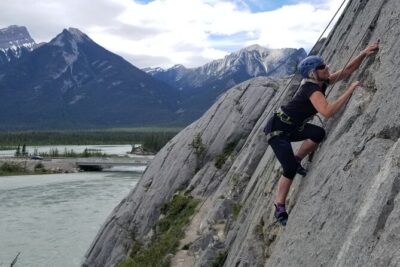 ★ 5.0Jasper Rock Climbing ExperienceFrom $10842 reviews
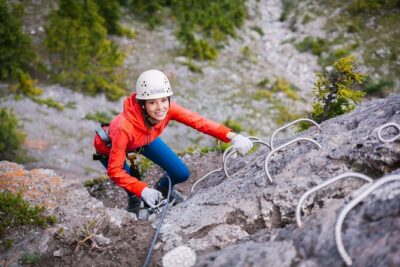 ★ 5.0Half-Day Guided Via Ferrata Climbing Tour in BanffFrom $19630 reviews
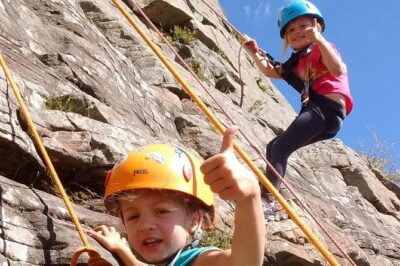 ★ 5.0Rock Climbing Adventure in Banff: BeginnerFrom $11219 reviews
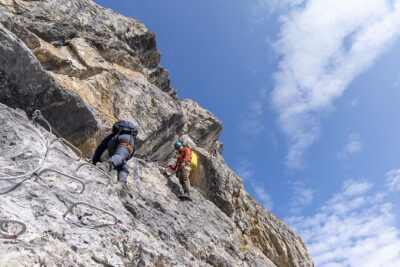 ★ 5.0Small Group Banff Skyline Via Ferrata 5-hour TourFrom $24315 reviews
 ★ 3.5Ice Climbing Adventure in Banff: BeginnerFrom $19412 reviews
Browse the lists this tour appears in