
Reviewed · JASPER & MALIGNE LAKE TOURS
Jasper Rock Climbing Experience
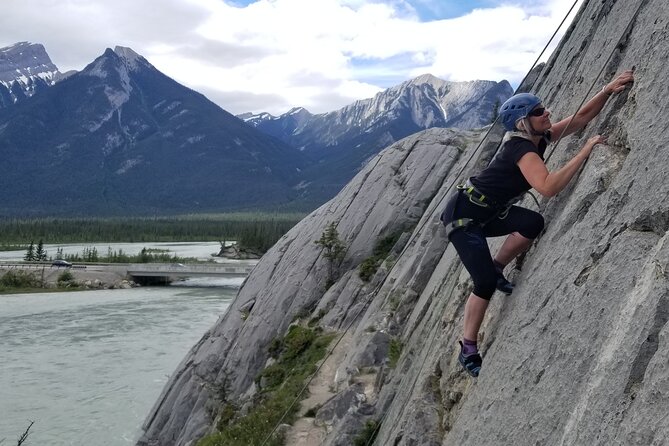
Ropes and limestone, plus Athabasca views. This Jasper rock climbing experience turns a short drive into a real outdoor adventure with solid instruction. You get all safety and climbing equipment, plus a guide who helps you climb routes ranging from easy to challenging, even if you are new to ropes.
I especially like the way the day is paced. You start by practicing how to safely lower down, then you learn belaying so you can safeguard your partner on the wall. The small group limit (just up to 6 travelers) also makes it feel more personal and less rushed.
One consideration: there is a short hike to the site and the climbing is on limestone, so you should be comfortable hiking briefly and trying moves that put weight on your toes. If you get tired, you can lower back down, rest, and try again, but you still need a willingness to give it a go.
In This Review
- Key highlights worth getting excited about
- Jasper Rock Climbing: What Makes It Worth Your Time
- Meeting at 635 Connaught Drive and Getting Set Up
- Safety Lessons That Actually Change How You Climb
- Athabasca River Stop: Views, Rhythm, and a Real Outdoors Feeling
- Jasper National Park Walls: Routes for Every Level
- Included Gear and What It Means for Your Day
- What the Small Group of 6 Changes
- Fitness Level: How to Know If You Are a Match
- Weather: Yes, It Runs, But Plan for the Reality
- Price and Value: Why $108.84 Can Be a Fair Deal
- Practical Tips Before You Go Climbing in Jasper
- Should You Book This Jasper Rock Climbing Tour?
- FAQ
- How long is the Jasper rock climbing experience?
- Where do we meet for the tour?
- Is transportation included?
- What climbing gear is provided?
- Do I need prior climbing experience?
- Is there a hike to the climbing site?
- What is included and not included besides the guide?
- What is the cancellation policy if weather is bad?
Key highlights worth getting excited about
- Small group size (max 6) keeps coaching tight and the energy focused.
- Belaying instruction teaches you the basic technique to safeguard others while climbing.
- All gear included (helmet, harness, climbing shoes) means less stuff to manage.
- Quick approach: about a 10-minute hike to reach the climbing area.
- Routes from easy to challenging fit beginners and more experienced climbers.
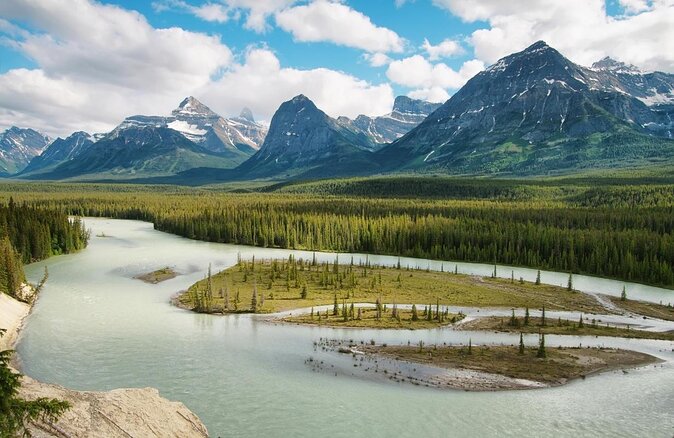
- Athabasca River setting in Jasper National Park adds a big payoff for a short day.
Follow the parkway up for more Jasper and Maligne Lake outings around Jasper
- Jasper: Columbia Icefield Skywalk and Ice Explorer Ticket★ 4.6 · 2,444 reviews
- Jasper National Park: Maligne Lake Cruise With Guide★ 4.7 · 896 reviews
- Jasper Evening Wildlife Tour★ 4.5 · 710 reviews
- Jasper National Park: Evening or Morning Wildlife Watch Tour★ 4.6 · 691 reviews
Jasper Rock Climbing: What Makes It Worth Your Time
If you have ever watched climbers and thought it looks equal parts scary and cool, this kind of outing is a smart way to test the real thing. Jasper is an easy place to fall into outdoor mode, and this climb stays grounded in practical skills: safety, ropes, and the calm focus that makes climbing possible.
The biggest strength is that you are not just carried to a wall. You learn how to use the system, how to lower safely, and how to safeguard someone else with a belay setup. That means the excitement comes with structure, not guesswork.
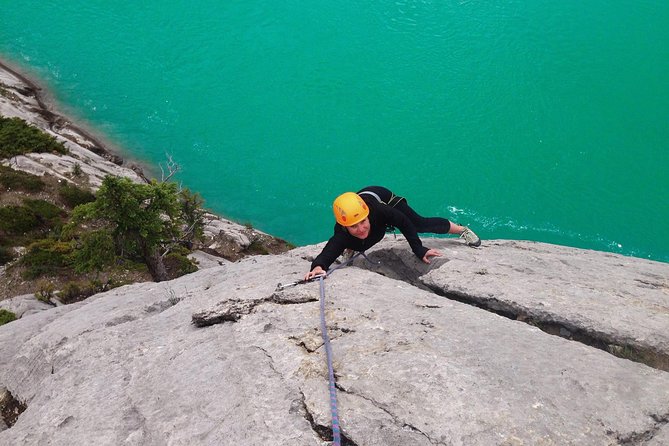
Also, the setting by the Athabasca River helps a lot. When you are standing there with gear on and the river nearby, it feels like you are doing something genuinely outdoors, not just running an activity on a schedule. Jasper National Park brings that extra sense of place, without needing a full day of travel to get it.
Meeting at 635 Connaught Drive and Getting Set Up
Your day starts in downtown Jasper at 635 Connaught Drive (the big grey C-can). You meet there, pick up your gear, and get a clear overview of what you will do next. This matters more than it sounds, because climbing days go smoother when you know the order of operations before you are on the wall.
After that, you ride by private vehicle to the climbing site. The drive is about 20 minutes from town, so you get out into the countryside without losing most of your time in transit. Then you do a short approach on foot, about 10 minutes, to reach the rock.
You should plan on a total duration of about 4 hours. That includes meeting, gear, travel, instruction, hiking to the site, climbing time, and getting back to the meeting point at the end. It is a nice length if you want real adventure without stealing your whole day.
Safety Lessons That Actually Change How You Climb
This is the part I would treat as the heart of the experience. You begin with basic instruction on the ropes, and you learn how to safely lower down the cliff. Starting with lowering helps your brain trust the system early, and it also teaches you control when you are not yet trying to move upward.
Once you are comfortable at the bottom, your guide explains belaying—how you safeguard each other on the wall. The guide sets up the rope systems, and you practice the technique so you know what your partner (and the rope) are doing. You do not need fancy climbing terminology to benefit from this, just attention and willingness to follow the steps.
Guides are a major part of the vibe here. One review highlights Luis as prioritizing safety while keeping the day fun, and another calls out Frank as knowledgeable and friendly, with safety in his hands. Even when the route gets more challenging, this is the kind of instruction that helps you stay calm and focused.
Athabasca River Stop: Views, Rhythm, and a Real Outdoors Feeling
The day’s first stop is the Athabasca River. In practice, this is where the experience shifts from town energy to outdoors energy. You are close enough to the river setting that the scenery becomes part of your mental reset, which helps when you are about to clip into a harness and commit to a wall.
Expect the day to have a rhythm: instruction, setup, then learning time. Your guide coaches you as you start using the equipment and as you move into climbing. Because the river is part of the atmosphere, you also get that outdoors momentum—less like a classroom, more like a training session that ends in real climbing.
One small but meaningful benefit: you are not rushing from parking lot to wall with zero context. The stop by the Athabasca River helps you settle your nerves and get comfortable with the pace of the day.
Clip in for more via ferrata and climbing routes near Jasper
Jasper National Park Walls: Routes for Every Level
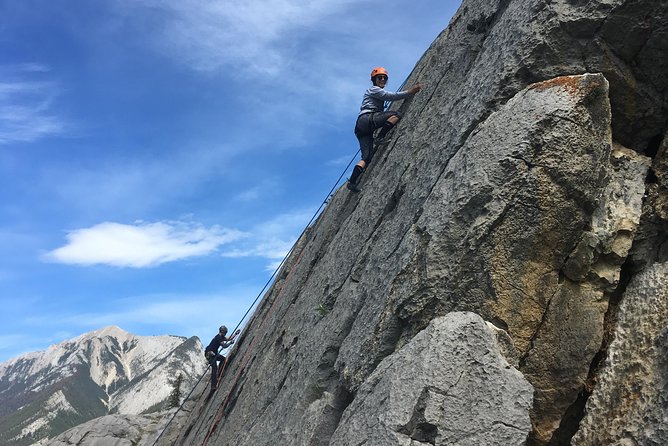
Then you head into Jasper National Park for the main climbing area. The route options range from easy to challenging, so your guide can steer the difficulty to your comfort level. If you are brand new, you can focus on learning how the system works and building confidence on the wall.
If you already climb indoors, you should still enjoy it. One review specifically mentions indoor climbing experience and says the outdoor excursion offered a real challenge plus beautiful scenery. That is a great sign, because it suggests the routes are not just for beginners.
You will have a chance to climb multiple routes rather than just one long, exhausting attempt. Your guide coaches as you go, and if you become tired, it is okay to lower back down, rest, and try again. That approach matters because it turns climbing from a one-shot test into a series of tries.
The rock is limestone, and that affects how the wall feels under your feet. You will likely need to stand on your toes at times, so think of this as part flexibility, part balance, part willingness to learn body positioning. If you are okay hiking briefly and you do not mind trying new footwork, you are in the right zone.
Included Gear and What It Means for Your Day
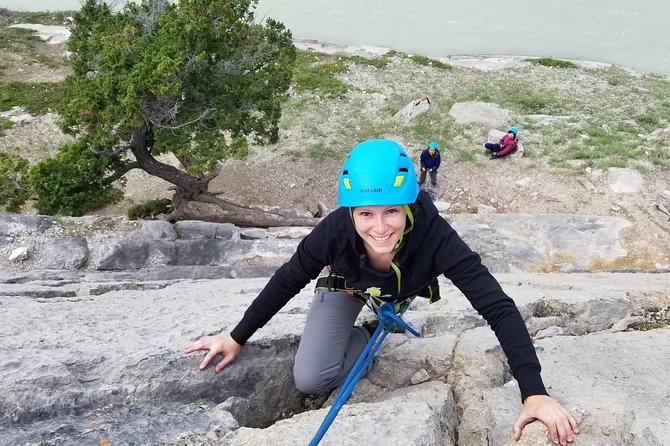
You are not expected to show up with climbing gear. The tour includes helmet, harness, and climbing shoes, plus a professional guide and transport by private vehicle. For many people, that is the best value piece, because it removes the hassle and cost of getting equipment right before a trip.
What this means for you on the day: you can pack lighter. You focus on being comfortable outdoors rather than worrying about fitting boots, borrowed harnesses, or whether you chose the wrong size shoes. The guide also ensures the equipment is used correctly, which reduces stress.
You should still think about what you bring personally. Snacks are not included, so plan accordingly if you get hungry between the meeting point and your climbing time. You do not need a big food strategy, but a small plan helps your energy stay steady.
What the Small Group of 6 Changes
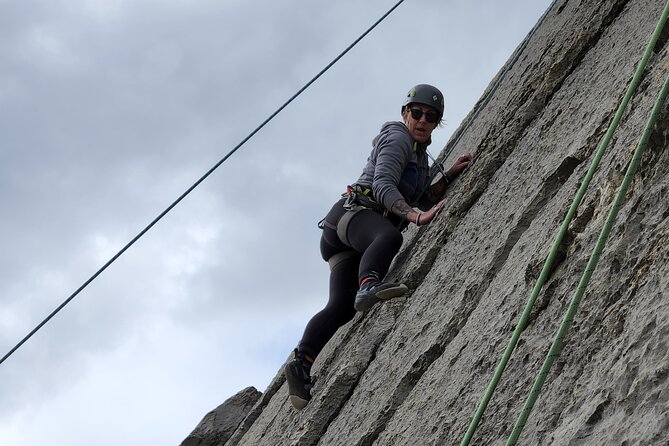
This tour caps at a maximum of 6 travelers. That small size is not just a number. It usually means more direct coaching, less waiting your turn, and fewer long pauses while you wait for equipment adjustments.
In a bigger group, you can end up learning the theory while others climb. Here, the pace stays tighter, which helps you keep momentum. You also get a better chance to receive individualized help if you are struggling with a particular move or a part of the rope handling.
One review even mentions the experience felt more private and customizable with a guide, which lines up with the small group format. If you like hands-on instruction and a calm environment, this is the kind of setup that supports it.
Fitness Level: How to Know If You Are a Match
The tour welcomes all fitness levels, but it still has real physical demands. You hike about 10 minutes to reach the climbing site, and you spend time on a wall where balance matters. It is not about marathon stamina, but it does require comfort with a short hike and the willingness to try standing on your toes on limestone.
If you can handle a short walk outdoors and you can stay relaxed while clipped in, you are likely fine. And the upside is huge: if you get tired on the wall, you can lower back down and rest. That makes the climbing feel more manageable, because it is not all or nothing.
If you have any medical conditions that could impact participation, you should let the guide know upon arrival. The tour also asks you to disclose medications going into the field, so they can be aware while you are out there. Service animals are allowed, so you are not shut out for that reason.
Weather: Yes, It Runs, But Plan for the Reality
This experience operates in all weather conditions, so you should dress appropriately. That is a good sign if you travel with unpredictable plans because you are not automatically waiting for sunshine.
At the same time, the experience can be canceled due to poor weather, in which case you are offered a different date or a full refund. In other words, expect them to go out when it is safe, not necessarily when it looks perfect.
My practical advice: pack layers and wear clothing that you would not mind getting a bit damp or dusty. Since you are climbing and moving around, comfort matters more than fashion.
Price and Value: Why $108.84 Can Be a Fair Deal
At $108.84 per person for about 4 hours, this climb can be strong value if you compare it to what you would otherwise pay for guide time, instruction, and gear. You also get private vehicle transport from central Jasper, which saves you from figuring out how to reach the site on your own.
What really justifies the price is the learning. You get coached instruction on ropes, lowering safely, and belaying technique, not just a single guided climb where you watch most of the work happen around you. That’s the difference between a novelty activity and an experience that teaches you something.
Another value factor: the group size. With max 6 travelers, you are more likely to get active help instead of passive observation. One review praised a guide’s expertise and friendliness, and safety was a clear theme—exactly what you want to be paying for.
One more planning note: this activity is often booked around 75 days in advance. If you are traveling in peak season or on a limited schedule, I would book early so you are not scrambling.
Practical Tips Before You Go Climbing in Jasper
A few things will make your day smoother:
- Bring something you can snack on, since snacks are not included.
- Wear layers you can move in, because the tour runs in varying weather.
- Be ready to focus on technique, especially toe placements on limestone.
- If you are a beginner, lean into the lowering practice first. That is where confidence starts.
- If you climb indoors, still treat the outdoor belaying and rope setup as the main lesson, not just the route difficulty.
Also, mentally prep for the waiver. You will be required to sign a liability waiver before participating. That is standard for activities like this, and it is part of how they keep the experience safe and organized.
Should You Book This Jasper Rock Climbing Tour?
I think you should book this if you want a real outdoor climbing experience without needing prior gear, prior knowledge, or a full day of logistics. The best reasons to say yes are the safety-focused instruction, the chance to learn belaying basics, and the fact that you are climbing with a guide who helps you find routes that fit your level.
It might not be the best fit if you know you cannot handle a short hike to the site or you are not comfortable trying basic toe-weight positions on limestone. But even then, the option to lower back down and rest makes it more forgiving than a nonstop ascent.
If you like hands-on coaching, a small group, and a setting that includes the Athabasca River and Jasper National Park, this is a very solid choice. Plan ahead, pack layers, and go in with a learn-first mindset.
FAQ
How long is the Jasper rock climbing experience?
It runs for about 4 hours (approx.).
Where do we meet for the tour?
You meet at 635 Connaught Dr, Jasper, AB T0E 0A8, Canada.
Is transportation included?
Yes. The tour includes transport by private vehicle from central Jasper.
What climbing gear is provided?
You get a helmet, harness, and climbing shoes as part of the experience.
Do I need prior climbing experience?
No prior experience is required. The experience is suited to participants of all ages, and you will get instruction on using the ropes and belaying.
Is there a hike to the climbing site?
Yes. There is a short hike of about 10 minutes to reach the climbing site.
What is included and not included besides the guide?
Included: professional guide, use of helmet, harness, and climbing shoes, and private transport. Not included: snacks and hotel drop off.
What is the cancellation policy if weather is bad?
You can cancel for a full refund up to 24 hours in advance. If the experience is canceled due to poor weather, you’ll be offered a different date or a full refund.
More Via Ferrata & Climbing near Jasper
More Jasper & Maligne Lake Outings from Jasper
More Tour Reviews in Jasper
Still scrolling? A few other Jasper adventures worth a spot on the itinerary
Jasper & Maligne Lake Tours, compared.
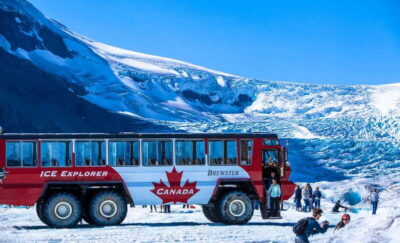 ★ 4.6Jasper: Columbia Icefield Skywalk and Ice Explorer TicketFrom $962,444 reviews
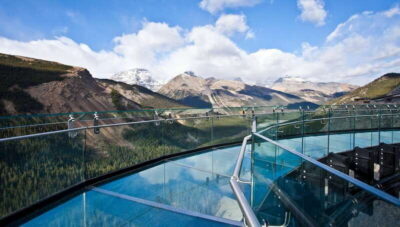 ★ 4.3Jasper: Columbia Icefield SkywalkFrom $37916 reviews
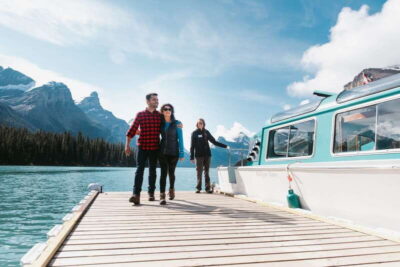 ★ 4.7Jasper National Park: Maligne Lake Cruise With GuideFrom $84896 reviews
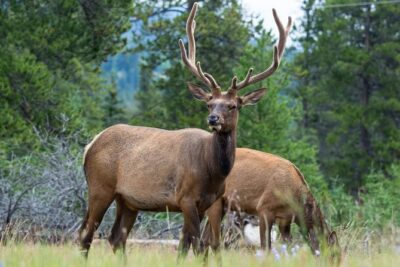 ★ 4.5Jasper Evening Wildlife TourFrom $65710 reviews
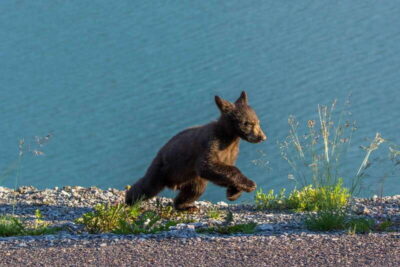 ★ 4.6Jasper National Park: Evening or Morning Wildlife Watch TourFrom $63691 reviews
 ★ 5.0Jasper Wildlife & Sightseeing Tour with Maligne Lake CruiseFrom $176603 reviews
 ★ 4.7Jasper SkyTram Roundtrip Flight TicketFrom $59567 reviews
 ★ 4.5Maligne Lake CruiseFrom $86502 reviews
Browse the lists this tour appears in