

Reviewed · AUDIO TOURS
Smartphone Audio Driving Tour between Banff and Calgary
Banff to Calgary in one smooth drive. That’s the pitch, but the hook is the audio guide that turns the highway into a story road. I like that it’s built for real life: you can go at your pace, and the app can work offline once it’s downloaded.
Two things I especially like: first, the narration uses location-aware timing, so the facts tend to line up with what you’re actually seeing outside the windshield. Second, the route is set up as a flexible drive, with dozens of points to pause for—so you’re not trapped in a schedule.
One possible drawback to keep in mind: if your car setup doesn’t play nicely with your phone (Bluetooth, volume, or where you place the device), you may have to listen directly from the phone rather than the car speakers.
In This Review
- Key Things to Know Before You Go
- The Banff–Calgary Road Trip, Rewired as a Self-Drive Tour
- What You Get in the App: Offline Audio and Location-Based Stories
- Route Flexibility: Calgary to Banff or Banff to Calgary
- The Stops That Make the Drive Worth Paying Attention To
- Discovery Stories at the Start: Upper Hot Springs and Early Curiosity
- Stampede Talk: Learning about the Calgary Stampede’s Roots
- Kananaskis Country: A Different Kind of Mountain Feeling
- The Park Edge Details: The Last Industrial Building Before Banff
- Canmore Name Check: How Place Names Stick
- Iconic Mountains and Big Names: Naming, Discovery, and What to Spot
- Banff National Park Driving: Learning While You Pass Through
- Campground Under the Stars (Even If You Don’t Camp)
- Canmore Museum Mention: A Real Stop Option
- The Lake Moment: Foothills Views and Lake Life
- Ski Resorts and a Tunnel Through the Mountain
- Three Sisters: Names for the Mountains You Keep Seeing
- More Ski Resort Stops and Then the Long Views
- Extra Pass-By Stops: The Tour Lets You Take Your Time
- How to Make This Audio Tour Feel Smooth, Not Frustrating
- Who This Tour Fits Best (And Who Might Want Something Else)
- Price and Value: Why $8.22 per Group Can Actually Work
- Should You Book the Smartphone Audio Drive Between Banff and Calgary?
- FAQ
- How much does the Banff to Calgary smartphone audio tour cost?
- How long is the tour?
- Can I use the app offline?
- Is the tour available in English?
- Does the tour include transportation or tickets?
- What do I need before I start?
- Can I stop anywhere along the way?
- Is it a private tour?
Key Things to Know Before You Go

- GPS-triggered narration so the audio matches your location as you drive.
- Offline use after the initial download, handy in areas with spotty cell service.
- Up to 15 per group at a low per-group price, and it’s private for your party.
- Freedom to stop anywhere along the way for as long as you want.
- Optional trivia challenge that can be fun while stopped, but don’t force it during driving.
- English only for the mobile audio experience.
Set your own pace with more self-guided routes in Banff
- Self-Guided Audio Tours for the Canadian Rockies★ 5.0 · 18 reviews
- Discover the Rockies: 6 Self-Guided Smartphone Audio Tour Bundle★ 4.0 · 10 reviews
- The Sights of Banff: a Smartphone Audio Walking Tour★ 3.5 · 7 reviews
- Banff Cave & Hot Springs Audio Walking Tour (Not a Ticket)★ 3.0 · 6 reviews
The Banff–Calgary Road Trip, Rewired as a Self-Drive Tour
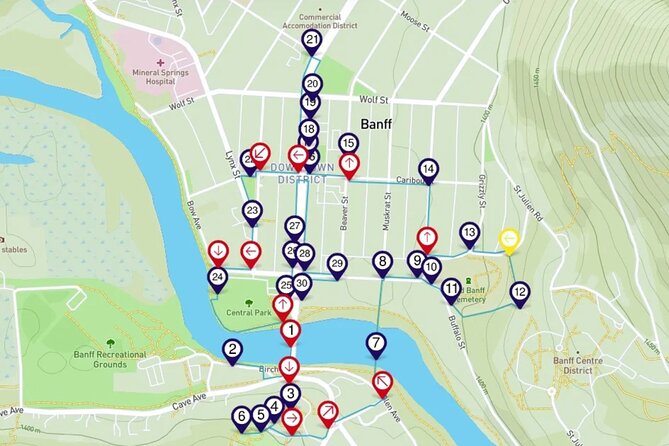
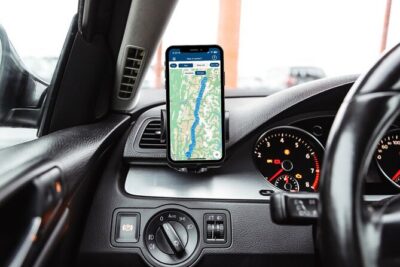
This is a smartphone audio driving tour for the Banff–Calgary route. You use your own vehicle, and your “guide” is the app: it delivers commentary and stories as you pass key spots, with lots of optional pauses for whatever catches your eye.
The most practical part is the flexibility. You aren’t herded into quick photo stops. If you see a pull-off you want, you can stop. If you’d rather keep rolling to catch the light, you can do that too. The tour is designed around the idea that the drive itself is part of the experience, especially once you’re paying attention to names, history, and how the valleys and mountains connect.
Price is also part of the value story. At $8.22 per group (up to 15 people), it’s the kind of add-on that makes sense even for families, as long as everyone can comfortably share one phone and one audio source. Think of it as turning a car ride into a guided drive without hiring a driver or paying for a bunch of tickets.
What You Get in the App: Offline Audio and Location-Based Stories
This tour works through a mobile ticket in the Tripvia Tours app. You’ll want your phone ready before you start, because the app requires an initial download and you’re told to have a good mobile or Wi‑Fi connection for that.
Once it’s downloaded, the tour can be used offline. That’s a big deal along the Rockies route, where service can be inconsistent and you don’t want the “buffering moment” when you’re right by the good stuff.
The audio is also described as recognizing where you are and playing accordingly. In plain terms: you don’t have to constantly tap play or guess what part you’re in. The app is built to “find you,” then start the next story when you reach the right stretch of road.
And yes, there’s an optional trivia challenge. I treat it like a snack, not a meal. If you want the full effect, do it while stopped at a viewpoint, rest area, or roadside turnout. During driving, it can pull attention at exactly the wrong time.
Route Flexibility: Calgary to Banff or Banff to Calgary
You can do this tour in either direction: Banff to Calgary or Calgary to Banff. That matters if you’re building a road trip loop or chaining it with other stops.
The tour is also set to run for about 2 hours (approx.), but the experience is framed as no time constraints. That means you should plan for a shorter “drive-only” version if you’re in a hurry, or a longer day if you keep pulling over.
One more setup detail that’s easy to miss: it ends in a different location depending on which way you go. So don’t assume it finishes exactly where you start. If your next plan is booked tightly, make sure you have time for the end point.
The Stops That Make the Drive Worth Paying Attention To

The narration is built around 50+ points of interest. You’ll hear short lessons while you drive, with chances to stop and explore a bit deeper if you want. Here’s how the experience unfolds in a way that helps you anticipate what’s coming.

Discovery Stories at the Start: Upper Hot Springs and Early Curiosity
The tour kicks off with the upper hot springs, including how they were discovered. The tour doesn’t just tell you the history—it invites you to stop and visit during the drive. Even if you don’t have time for a full soak, it’s a useful warm-up because it trains you to look for the places that hold the area’s origin story.
Why it’s worth your attention: hot springs history usually ties into how people first moved through this region—long before highways turned it into a day trip.
Stampede Talk: Learning about the Calgary Stampede’s Roots
Next, you’ll hear about the iconic Stampede from the inventor, sort of. That odd phrasing hints at a playful tone in the narration—more than a textbook, less than a serious lecture.
A note for your expectations: if you don’t like trivia-style storytelling, this may feel a bit playful. If you do like facts delivered with energy, this is the kind of segment that keeps the drive from turning monotonous.
Kananaskis Country: A Different Kind of Mountain Feeling
You’ll then move into Kananaskis Country—the tour frames it as a beauty-and-identity kind of stop. This segment works well when you’re passing through that “wow, the terrain changes” feeling. It gives you words for what you’re seeing: broader valleys, mountain edges, and the sense that the Rockies are more than one scenic postcard.
The Park Edge Details: The Last Industrial Building Before Banff
One of the smartest narrative choices is that it pauses on the last industrial building before entering (or after leaving) Banff National Park. It’s the kind of detail you’d usually miss at highway speed, yet it makes the park boundary feel real—human history right up against protected wilderness.
If you’re the type who likes context, this is a highlight. It also sets up the rest of the drive, because suddenly Banff isn’t just a destination; it’s part of a broader story.
Canmore Name Check: How Place Names Stick
Then comes Canmore, including how it got its name. You’ll drive right past the town, so you don’t need tickets or extra planning to get something out of it.
I like this part because it reframes the quick “passing through” moments. You’re not just using the road. You’re learning why that town name sounds like it does—and how language and meaning carry over into mountain life.
Iconic Mountains and Big Names: Naming, Discovery, and What to Spot
The tour points out an iconic mountain and covers how it got its name and who discovered it. After that, you get a sequence of “look here” moments: Banff town itself, a mountain that looks like a castle, and a small mountain village that’s presented as worth a quick pause if you want local flavor.
It also includes a “name says it all” type segment for another peak. The exact mountain names aren’t listed in the details you provided, but the key value is the pattern: you get help spotting famous shapes and you learn the origin of their labels.
If you’ve ever driven past a mountain and thought, I should know what that is, this section directly fixes that.
Banff National Park Driving: Learning While You Pass Through
You’ll drive through a large portion of Banff National Park, so the narration leans into what the park means and what you’re seeing. Even when you can’t stop immediately, you’re getting guided context—trees, terrain, and the reason people treat this stretch as more than just scenery.
Campground Under the Stars (Even If You Don’t Camp)
There’s a segment where the tour talks about a campground you’ll pass by, framed around the idea of sleeping under the stars. This is great if you like planning next time. Even if you won’t camp this trip, the audio makes you notice the places where overnight life is possible.
Canmore Museum Mention: A Real Stop Option
The tour includes the Canmore Museum, with instructions that if you want to visit, you can start driving again and the tour will pick up where you left off. This is one of the practical perks of app-based touring: you can break away without losing the flow.
The Lake Moment: Foothills Views and Lake Life
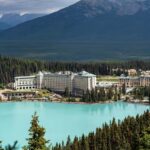
Then you hit the “don’t be scared” moment—there’s a nice lake on the foothills of the Rocky Mountains, and the audio leans into what people do there. The segment also implies it’s packed with character, not just looks.
In a family-friendly way, this is exactly the kind of stop where kids and adults both do well: you can stand, look, and then listen to the story that gives the view meaning. One review specifically called out Lake Louise as a standout, and this section is where you’d expect that kind of reaction.
Ski Resorts and a Tunnel Through the Mountain
Later, you’ll see a ski resort just outside of Banff, and the narration says it has something different from other nearby resorts. After that, you’re told about a tunnel through the mountain, including why it was built and what went wrong.
That tunnel story is a good reminder that the Rockies aren’t untouched wilderness. They’re connected by engineering choices—sometimes smart, sometimes messy—and the audio helps you notice the infrastructure without it being a distraction.
Three Sisters: Names for the Mountains You Keep Seeing
The tour calls out the Three Sisters and tells you the sisters’ names. This kind of segment is pure payoff: once you know the names, future views feel like you’re meeting old friends.
If you’re taking photos, this is also when you’ll want to slow down a little and actually line up the view. A quick stop here can make the whole drive feel “guided” instead of just “informational.”
More Ski Resort Stops and Then the Long Views
There’s another stop centered on one of the area’s best ski resorts. After that, you get more mountain “gawk and learn” moments—again using the 50+ points of interest idea, with frequent opportunities to pause.
Toward the end, you’ll also be driving alongside a famous mountain river multiple times. The narration promises you’ll hear about it, and it’s the kind of recurring feature that works well for an audio tour: it gives you repeated landmarks to anchor your day.
Extra Pass-By Stops: The Tour Lets You Take Your Time
A big chunk of the experience is described as pass-by moments where there isn’t a single big “stop now” agenda. That’s intentional. It’s a reminder that you control the pace: if you want to pull off, do it; if you don’t, keep the audio running and let the drive carry you.
This is also where the audio tour format shines. You don’t need perfect timing to get something out of it.
How to Make This Audio Tour Feel Smooth, Not Frustrating

This is where the difference between a great ride and a mildly annoying ride usually shows up.
First, get the setup right before you leave. Download the tour with good mobile or Wi‑Fi if you can. Then check that your audio is working in your specific car.
Second, plan your audio routing. One common hiccup is car Bluetooth. If the car can’t play the narration, you may still be fine—just listen from your phone instead. If you don’t like phone speaker volume, bring a simple solution (like a phone mount within reach), because this is a drive, not a walking tour.
Third, treat trivia like a treat. When you’re driving, keep your eyes and hands primary. If you find the quiz distracting, you can skip it. It’s listed as optional.
Finally, don’t stress if the app starts a little slowly. One part of the experience is that you might not immediately realize where the next story is triggered. Once it catches up to your location, the experience tends to feel better and more coherent.
Who This Tour Fits Best (And Who Might Want Something Else)
This tour makes the most sense if you want:
- A self-guided way to learn as you drive
- A road trip that works for a mix of attention spans (history + trivia + quick viewpoints)
- Low-cost value for your group, since it’s per group rather than per person
- The ability to pull over anytime for photos, short walks, or longer stops
It also fits solo drivers who don’t want to stop and research every intersection. One person can take in the stories while keeping the day simple.
You might want a different style of tour if:
- You hate audio that triggers automatically and feel annoyed by abrupt transitions
- You need very tight navigation and don’t want to rely on app timing at all
- Your car setup doesn’t cooperate with your phone and you dislike listening from the phone itself
Price and Value: Why $8.22 per Group Can Actually Work
At $8.22 per group (up to 15), the math can be surprisingly favorable. You’re paying for:
- A structured narrative across a long scenic drive
- A tool that can be used offline
- Opportunities to stop at multiple points of interest without paying for guide time
This is especially good for families and couples because you can split the cost without hiring separate guides or paying for multiple paid activities. Also, because you’re using your own vehicle, there’s no extra transportation cost baked in.
The value only drops if you run into audio issues (Bluetooth not working, navigation confusion at the start, or distractions while driving). If you’re willing to do a quick “test run” before you hit the highway, you’ll likely get your money’s worth.
Should You Book the Smartphone Audio Drive Between Banff and Calgary?
I’d book it if you’re doing a road trip and you want your drive to feel smarter, not just faster. It’s one of those tools that turns a scenic highway into a guided route, especially because the stories cover names, park edge details, and recognizable peaks like the Three Sisters.
Skip it if you’re the type who prefers live human guiding only, or if you already know you’ll struggle with your phone audio and don’t want to troubleshoot on the road. Also, if you don’t like trivia-style moments, remember the quizzes are optional and you can focus on the main narration instead.
If you’re flexible, curious, and okay with a self-drive format, this tour is an easy “yes.”
FAQ
How much does the Banff to Calgary smartphone audio tour cost?
It costs $8.22 per group, with a group size of up to 15.
How long is the tour?
The duration is about 2 hours.
Can I use the app offline?
Yes. The tour includes offline use after download.
Is the tour available in English?
Yes, it’s offered in English.
Does the tour include transportation or tickets?
No. You use your own vehicle, and attraction tickets are not included.
What do I need before I start?
You’ll need a good mobile or Wi‑Fi connection for the initial download.
Can I stop anywhere along the way?
Yes. The experience is described as having no time constraints, and you can stop at attractions for as long as you like.
Is it a private tour?
Yes. It’s listed as private, with only your group participating, and only one booking is needed per vehicle.
More Audio Tours in Banff

A Few More Self-Guided Routes in Banff
More Tour Reviews in Banff


Still scrolling? A few other Banff adventures worth a spot on the itinerary
Audio Tours, compared.
 ★ 5.0Self-Guided Audio Tours for the Canadian RockiesFrom $3918 reviews
 ★ 4.5Icefields Parkway Self-Guided Driving Audio TourFrom $1616 reviews
 ★ 4.0Discover the Rockies: 6 Self-Guided Smartphone Audio Tour BundleFrom $3510 reviews
 ★ 3.5The Sights of Banff: a Smartphone Audio Walking TourFrom $87 reviews
 ★ 3.0Banff Cave & Hot Springs Audio Walking Tour (Not a Ticket)From $96 reviews
 ★ 4.0The Sights of Canmore: a Smartphone Audio Walking TourFrom $84 reviews
 ★ 4.0Jasper National Park Self-Guided Driving Audio TourFrom $144 reviews
Browse the lists this tour appears in