
Reviewed · CANMORE TOURS & DAY TRIPS
Canmore: Stargazing and Night Adventure
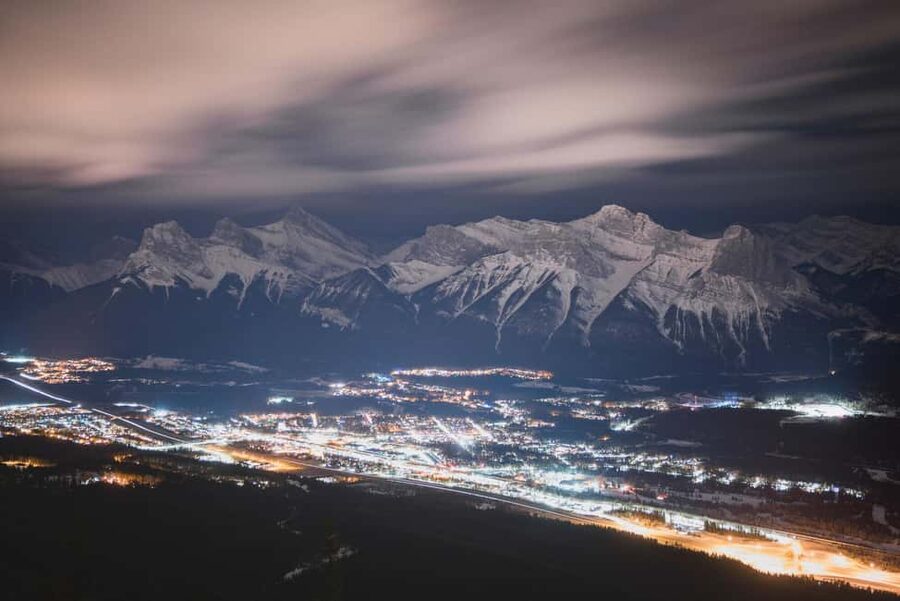
Night skies in the Rockies feel close. This 2-hour Canmore night adventure mixes a guided hike with serious stargazing at dark-sky viewpoints. It’s the kind of outing where you stop thinking about checking boxes and start looking up.
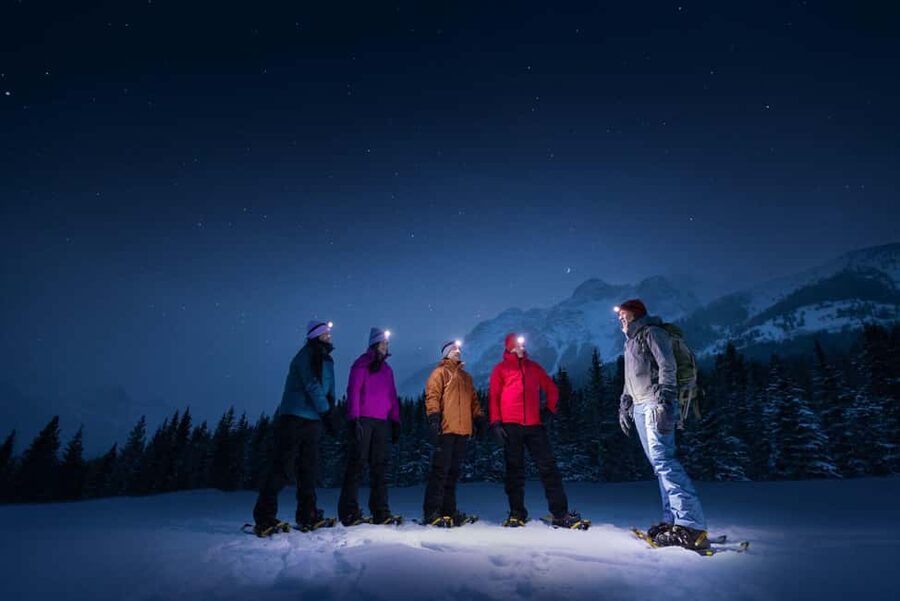
What I like most is the focus on being prepared for the mountain after dark. You’ll get headlamps and seasonal gear (including ice cleats in winter) so you can enjoy the walk without guessing how to handle slick ground. Another big plus: the guides use professional backcountry gear for safety and help you aim for night photography and stars instead of wandering around in the dark.
One thing to consider: it’s not a casual stroll, and it’s not for everyone. The tour is not suitable for people with mobility impairments or certain medical conditions, and kids must be at least 8—because you’re walking about 3.5 miles on uneven terrain at night.
In This Review
- Key things that make this Canmore stargazing tour worth your time
- Entering the dark sky world just outside Canmore
- Price and value: why $62 feels fair for a guided night plan
- Meeting at Canmore Recreation Centre and getting kitted up
- The 3.5-mile night walk: how the hike supports the sky viewing
- Stargazing included: what you’ll actually do under the stars
- How cloud cover planning helps you
- Safety in the Canadian Rockies: headlamps, bear spray, and a guide who’s ready
- What to wear and bring for a comfortable night experience
- Who this 2-hour Canmore stargazing tour is best for
- Rules that keep the experience focused on nature at night
- Quick itinerary walkthrough: what happens from start to finish
- Should you book this Canmore stargazing adventure?
- FAQ
- How long is the Canmore stargazing and night adventure?
- What does it cost?
- Where do I meet the guide?
- What’s included for stargazing and night walking?
- Is Northern Lights viewing possible?
- How much walking is involved?
- What happens if the sky is cloudy?
- Are pets or alcohol allowed?
- What ages or health situations are the tour not suitable for?
Key things that make this Canmore stargazing tour worth your time
- Dark-sky locations away from crowds and lights, including spots locally known for night photography and stargazing
- Stargazing built in, plus a real shot at aurora viewing when conditions cooperate
- Headlamps + seasonal safety gear (ice cleats in winter) so you can move confidently
- Certified backcountry guides with safety equipment like bear spray and first-aid kits
- Weather protection for your sky plans: if heavy cloud cover is forecast (over 50%), you’ll be refunded or allowed to postpone
More Canmore walks and day trips we like just down valley from Canmore
- Canmore Caving Adventure Tour★ 5.0 · 356 reviews
- Canmore Caving Explorer Tour★ 5.0 · 277 reviews
- Canmore: Bow River Scenic Float Tour★ 4.9 · 257 reviews
- Moraine Lake & Louise – Morning or Sunset Tour from Banff/Canmore★ 5.0 · 194 reviews
Entering the dark sky world just outside Canmore
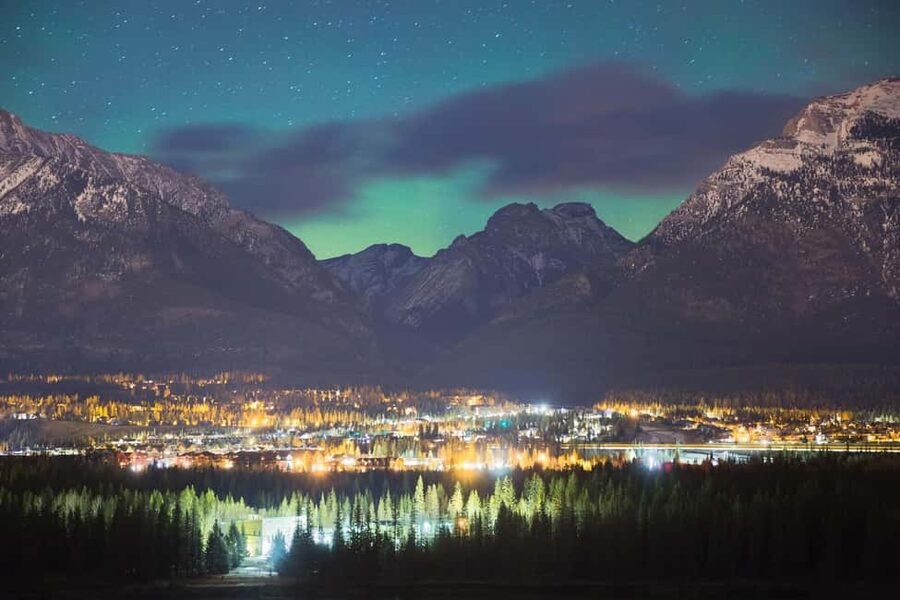
You don’t need to be a science person to enjoy this. Night in the Canadian Rockies changes the whole vibe. The mountains go quiet, the air feels crisp, and suddenly the sky becomes the main event.
The tour starts at the Canmore Recreation Centre, which makes it easy to find and keeps the logistics simple. From there, you head out with a professional guide who’s used to moving safely in the dark and helping people get their bearings fast.
If you’ve tried stargazing on your own, you’ve probably run into two problems: either you’re too close to streetlights, or you spend the whole time figuring out where to look. Here, the plan is to get you to locations with less light interference and more time aimed at the sky.
Price and value: why $62 feels fair for a guided night plan
At $62 per person for about 2 hours, you’re paying for more than the hike. This price covers a guide who’s trained for night conditions, plus the gear that makes the difference between comfortable and miserable.
You also get included equipment like headlamps, and in winter, ice cleats when needed. That matters because winter footing can be the difference between enjoying the night walk and constantly worrying about slipping. On top of that, the guides carry professional safety tools, including bear spray and first aid kits.
That combination—gear, guided direction, and safety readiness—is where the value shows up. If you had to recreate this experience yourself, you’d spend money on equipment and still wouldn’t have the same confidence moving through remote night trails.
Meeting at Canmore Recreation Centre and getting kitted up
Plan to arrive at the Canmore Recreation Centre and meet your guide outside the main doors. The guide will have a clipboard and will help you get sorted right away.
Before you start walking, you’ll be equipped with headlamps and other seasonal items. In winter, that includes ice cleats, which helps you stay steady on snow and ice instead of treating every step like a potential slip.
This early gear-up time is more important than it sounds. When you step into the dark sky zone, your eyes need a chance to adapt and your hands need to be free for your camera phone or settings. Having the right light (and knowing how to use it) means you can actually enjoy the stargazing part.
The 3.5-mile night walk: how the hike supports the sky viewing
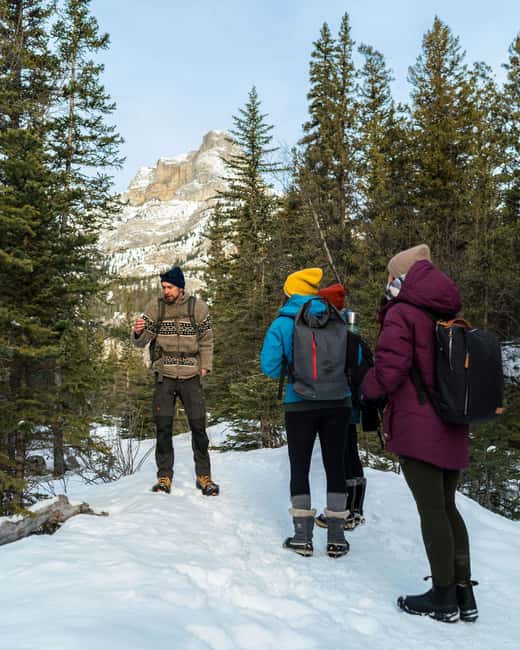
The core of the experience is a guided walk of about 3.5 miles in nature after nightfall. You’re moving from the meeting area toward remote local view points where you can photograph the sky and enjoy stars more clearly.
Because it’s at night, the walk is part travel, part orientation. The guide helps you keep a steady pace, stay on track, and avoid the kind of stumbling that happens when people try to multitask—like holding a phone flashlight while walking.
One practical thing I’d prepare for: night hiking tends to feel longer than daytime hiking. Your attention shifts to light and footing at the same time. The upside is that you’re not stuck staring at a map in the dark—you’re learning where to look while you walk.
Wait for dark with more stargazing and night tours around Canmore
Stargazing included: what you’ll actually do under the stars
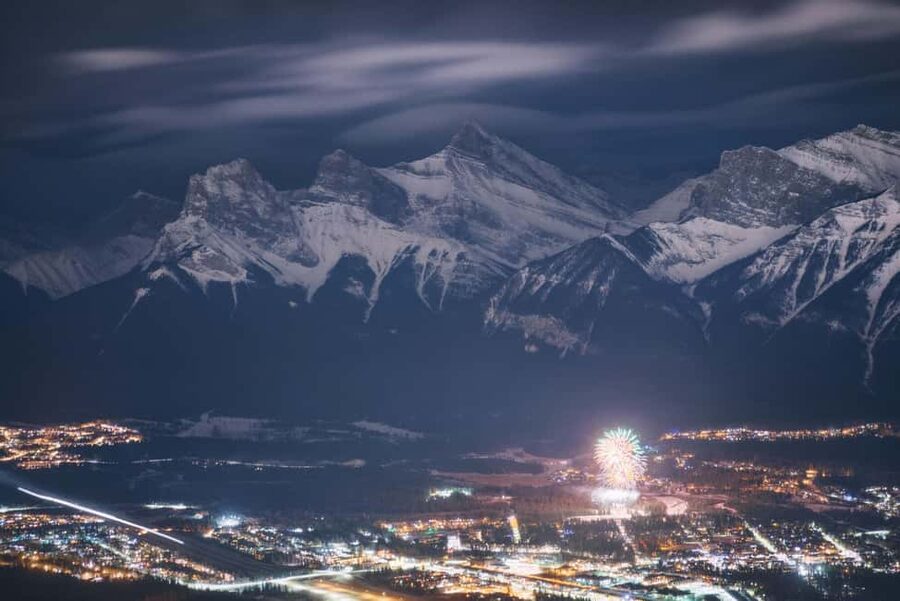
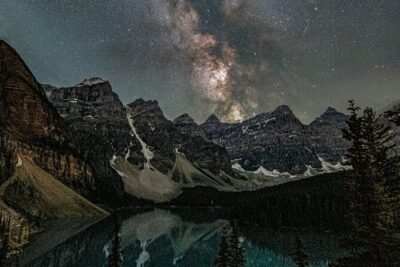
You’re not just dropped off and told good luck. Stargazing is included, and the trip is built around stopping at locations suited for night photography.
That means you’ll have time to look up, adjust your camera or phone, and take in the sky as the guide points out what to focus on. Even if you don’t know constellations, you can still enjoy the scale—especially when you’re away from strong nearby lights.
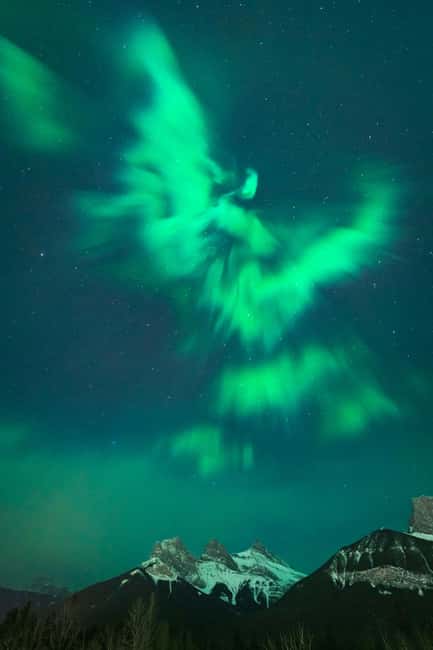
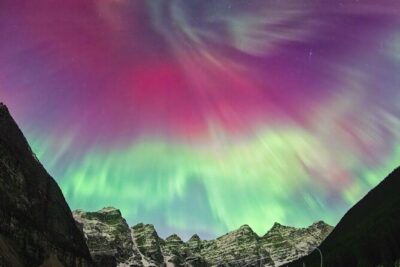
The tour also offers the possibility of the Northern Lights. Aurora viewing depends on conditions, but the tour is designed with that reality in mind—so you’re in the right kind of place when the sky cooperates.
How cloud cover planning helps you
Here’s a smart part of the plan: if heavy cloud cover is forecast (over 50%), the organizers will offer a refund or let you postpone before departure. That’s a big deal for sky-focused tours, because clouds are the one thing that can erase the whole point in minutes.
It also means you’re not gambling blindly. You’re making a plan with a backup built in.
Safety in the Canadian Rockies: headlamps, bear spray, and a guide who’s ready
Night hiking makes safety feel more serious—because you can’t easily judge terrain by sight. This tour handles that with professional backcountry guides and the right equipment on hand.
Included safety gear includes bear spray and first-aid kits. That doesn’t mean you should worry all night. It means the guide is trained and prepared for the kinds of situations that can come up in remote backcountry areas, especially in low visibility.
You also get headlamps, plus seasonal gear like ice cleats when needed. That supports both safety and enjoyment. It’s much easier to stop and look at the sky when you’re not constantly thinking about footing.
In one booking, the guide was Jacob, and the person on that outing said they felt safe the entire way. That kind of comment usually points to real competence—steady leadership, clear pacing, and a calm approach when conditions change.
What to wear and bring for a comfortable night experience
The tour includes key gear, but your clothing still matters. You’ll be outside at night, and the Rockies can feel colder once the sun drops.
Wear layers you can adjust as you hike. If it’s winter, you’ll likely benefit from warm gloves and warm outer layers, since you’ll pause at view points for stargazing and photography.
For light discipline, keep in mind that stargazing works best when you minimize extra light. The guide’s headlamp setup should be your main lighting. If you use a phone flashlight, use it sparingly and keep it aimed down rather than into the face of others.
Footwear is also huge. Since ice cleats are provided when needed in winter, you’ll still want boots with good traction so the system works the way it’s supposed to.
Who this 2-hour Canmore stargazing tour is best for
This works best if you want a guided plan that gets you away from light pollution and into a night sky setting without doing all the planning yourself.
It’s a good fit for adults and older kids who are comfortable walking at night and can handle uneven terrain. The minimum age is 8, and the tour isn’t suitable for children under that age.
It’s also not designed for everyone. It’s not suitable for:
- people with mobility impairments
- pregnant women
- people with pre-existing medical conditions
- babies under 1 year
- people over 70
Those limits aren’t random. They’re consistent with the reality of night walking, remote viewpoints, and the physical demands of moving in cold or uneven conditions.
Rules that keep the experience focused on nature at night
A few clear rules help keep the outing respectful and safe. Pets are not allowed. Alcohol and drugs are not allowed.
That keeps the group in a stable, focused headspace. It also helps maintain quiet conditions that are better for stargazing and night photography—because you’re watching the sky, not dealing with distractions.
Quick itinerary walkthrough: what happens from start to finish
Here’s the flow you can expect, without any guesswork:
1) Meet at Canmore Recreation Centre
You meet your guide outside the main doors. They’ll confirm you’re there and get you ready to go.
2) Gear up for the conditions
You’ll be given headlamps and seasonal equipment as needed (including ice cleats in winter).
3) Guided walk toward remote view points
You’ll cover about 3.5 miles in nature, moving to locally known spots for night photography and stargazing.
4) Return to the start point
You arrive back at the Canmore Recreation Centre at the end of the tour.
The total time is listed as 2 hours, so expect a compact schedule. That’s also why it works well as a “one activity night” option when you want stars but not a whole expedition.
Should you book this Canmore stargazing adventure?
I’d book it if you want an organized night hike with real stargazing time and a guide who’s prepared for mountain conditions. The combination of headlamps, seasonal traction help, and a professionally certified guide with bear spray and first-aid gear is a strong safety/value match for a nighttime outing.
I’d skip it if you’re in a group that doesn’t fit the suitability limits (mobility impairments, pregnancy, medical conditions, or seniors over 70). I’d also be cautious if you don’t handle cold well, since you’ll be outside after dark and walking in nature.
If your priority is seeing the sky from darker spots rather than just taking a quick photo, this tour is built for that. And if cloud cover looks rough, the plan includes a refund or postponement option, which makes the whole thing less of a gamble.
FAQ
How long is the Canmore stargazing and night adventure?
The tour lasts about 2 hours.
What does it cost?
The price is $62 per person.
Where do I meet the guide?
Meet outside the main doors of the Canmore Recreation Centre.
What’s included for stargazing and night walking?
You get headlamps and seasonal equipment as needed (ice cleats in winter when required). The guide also carries safety equipment such as bear spray and first-aid kits.
Is Northern Lights viewing possible?
The tour includes opportunities for the Northern Lights, depending on night conditions.
How much walking is involved?
The tour includes about 3.5 miles of walking in nature.
What happens if the sky is cloudy?
If heavy cloud cover is forecast (over 50%), they offer to refund or postpone prior to departure.
Are pets or alcohol allowed?
Pets are not allowed, and alcohol and drugs are not allowed.
What ages or health situations are the tour not suitable for?
It’s not suitable for children under 8, babies under 1, pregnant women, people with mobility impairments, people with pre-existing medical conditions, and people over 70.
More Stargazing & Night Tours around Canmore
More Canmore Walks & Day Trips near Canmore
More Tour Reviews in Canmore
Still scrolling? A few other Canmore adventures worth a spot on the itinerary
Canmore Tours & Day Trips, compared.
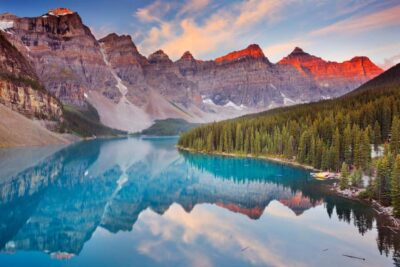 ★ 4.9Banff/Canmore: Moraine Lake 1.5h & Lake Louise Half-Day TourFrom $45619 reviews
 ★ 5.0Canmore Caving Adventure TourFrom $149356 reviews
 ★ 4.9Banff/Canmore: Moraine Lake w/ Lake Louise OptionFrom $87292 reviews
 ★ 5.0Canmore Caving Explorer TourFrom $111277 reviews
 ★ 4.9Canmore: Bow River Scenic Float TourFrom $43257 reviews
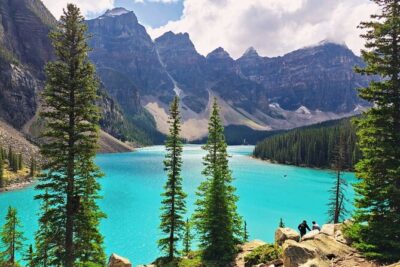 ★ 5.0Moraine Lake & Louise – Morning or Sunset Tour from Banff/CanmoreFrom $111194 reviews
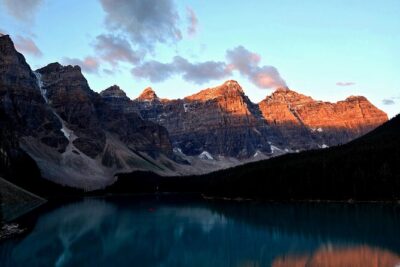 ★ 5.0Moraine Lake Sunrise(2.5hrs)&Lake Louise(2hrs) from Canmore/BanffFrom $138168 reviews
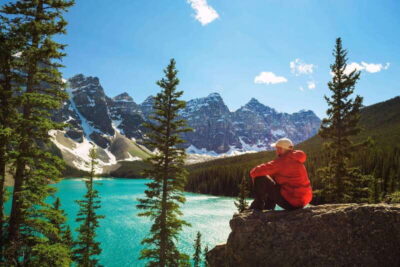 ★ 4.9From Canmore/Banff: Moraine Lake Sunrise & Lake Louise TourFrom $142163 reviews
Browse the lists this tour appears in