
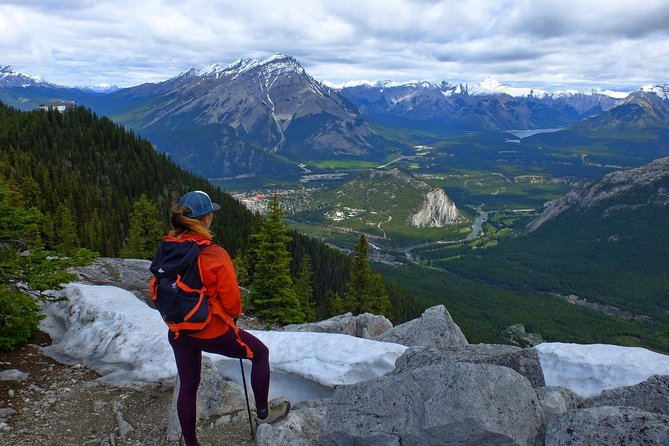
Reviewed · BANFF GONDOLA & SULPHUR MOUNTAIN
Sulphur Mountain Highline Trek in Banff
A Gondola ride turns into real ridge hiking. I love the mix of easy access and then-go-anywhere alpine views on the Sulphur Mountain Highline trail. Two big wins for me are that you get Banff Gondola access built in, and you hike with an ACMG-certified guide in a small group of six.
One heads-up: this is not a casual stroll. The Highline trek takes average to good fitness, with short off-trail sections and some loose, exposed terrain, so you’ll want sturdy footwear and a calm head.
In This Review
- Key highlights at a glance
- Why the Sulphur Mountain Highline starts above the Gondola
- The Highline ridge: terrain you should respect (and how to plan for it)
- Tree line to alpine: the view payoff that keeps growing
- ACMG guide experience: why certification matters on a ridge
- The day flow: stops at Banff National Park and the Banff Gondola
- Price and value: what you’re paying for at $219.99
- What to bring for a ridge hike you actually enjoy
- Who should book the Sulphur Mountain Highline Trek
- Should you book this Highline Trek?
- FAQ
- FAQ
- How long is the Sulphur Mountain Highline Trek?
- What time does the tour start?
- Where do I meet for the tour?
- What’s included in the price?
- What should I bring since water and snacks aren’t included?
- How big is the group?
- What fitness level do I need?
- What if the weather is bad?
- Is free cancellation available?
Key highlights at a glance
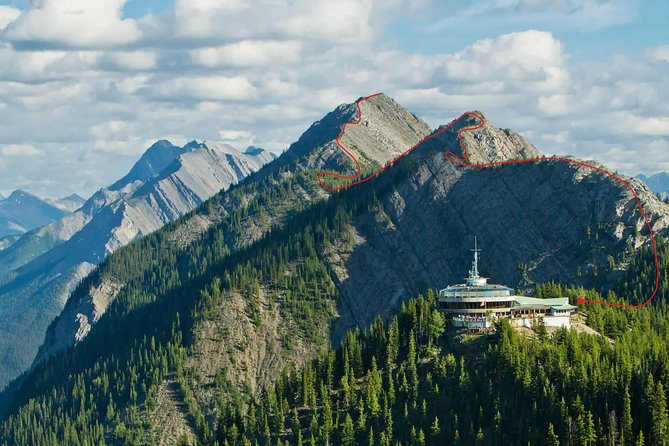
- Banff Gondola gets you to the trailhead: Start from the top so you spend time hiking, not slogging up.
- ACMG-certified guiding: You’re led by a certified professional focused on safe pacing and route confidence.
- Small group size (max six): You get a more personal hike and better chances to ask questions.
- Tree line to alpine terrain: Expect a real change in hiking conditions as the trail climbs out of subalpine forest.
- Ridgeline views that build: Sundance Range, Lake Louise high peaks, and Mt Assiniboine are part of the view story.
- Return to Gondola amenities: After the hike, you can enjoy the interpretive center and mountaintop dining.
Ride higher with more Banff Gondola and Sulphur Mountain picks in Banff
- Banff: Banff Gondola Admission Ticket★ 4.7 · 3,698 reviews
- Banff Gondola Ride Admission★ 4.5 · 2,688 reviews
- Banff: Mount Norquay 2.5 or 4-Hour Guided Via Ferrata Climb★ 4.9 · 305 reviews
- Banff: Sunshine Sightseeing Gondola and Standish Chairlift★ 4.7 · 235 reviews
Why the Sulphur Mountain Highline starts above the Gondola
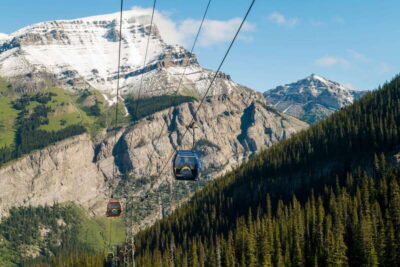
The nicest trick here is that the day begins with a ride you already know you’ll enjoy: the Banff Gondola. Instead of starting your hike down low and building elevation the hard way, you start the Highline trek from the top of the Gondola. That means your energy goes into the ridge, not just into gaining altitude.
Once you’re done hiking, you’re not stuck with only the walk back. You return to the Gondola station and can use the facility’s amenities, including the interpretive center and mountaintop dining. For many people, that’s the perfect pairing: an outdoor adventure followed by a warm, structured setting for a snack or a meal.
If you like the idea of seeing Banff in layers—valley views first, then sharper alpine angles second—this combo hits that sweet spot. You also get a guide to help you follow the right route line-by-line, which matters on an alpine ridge hike.
The Highline ridge: terrain you should respect (and how to plan for it)
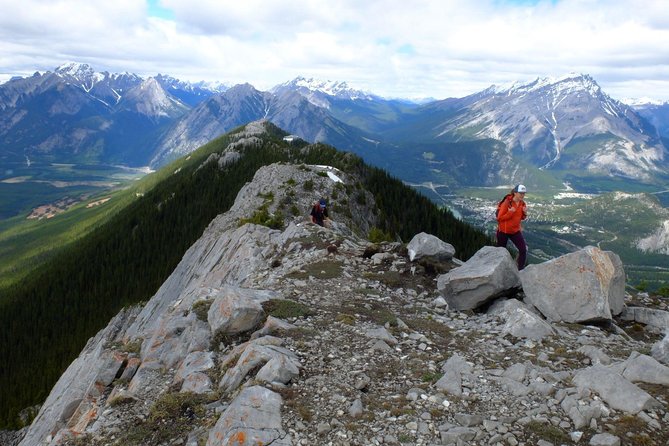
This trek is sold as a hike, not a walking tour, and that’s exactly how you should treat it. You’ll need average to good fitness, and the route includes short sections of off trail plus loose and exposed terrain.
What does that feel like in real terms? You’re not dealing with a long technical climb, but you will be stepping onto uneven ground at times. The terrain changes as you move from subalpine forest toward alpine hiking country, and that usually means more open exposure to wind, more uneven footing, and more attention on balance.
The route description points to a few specific surfaces and climbing styles:
- Subalpine forests at the start
- Limestone slabs along parts of the route
- High mountain scree slopes as conditions open up
Limestone slabs can be slippery if conditions turn damp, and scree slopes can be tiring because your foot placement keeps shifting. The guide’s job is to manage pace, spacing, and footing choices so you can keep moving without rushing.
My practical advice: if you have any doubts about your comfort on loose ground or exposed stretches, don’t “tough it out” by pretending it’s just a trail walk. Bring confidence and the right shoes, and you’ll enjoy it more.
Tree line to alpine: the view payoff that keeps growing
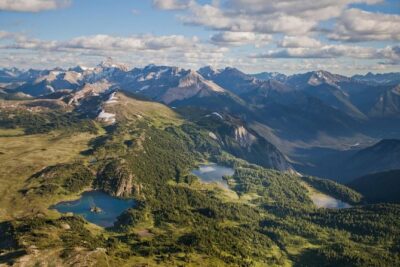
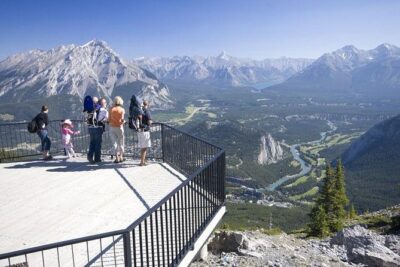
The Highline experience earns its reputation because the views don’t just show up once. They expand as you move along the ridge. The route description explains a transition from tree line into alpine terrain, and you can feel why that matters: the canopy disappears, the ridge opens, and sightlines widen quickly.
Along the way, you’ll pass through subalpine forests, then onto terrain that’s more exposed and higher. That sets you up for classic Banff sight picture building:
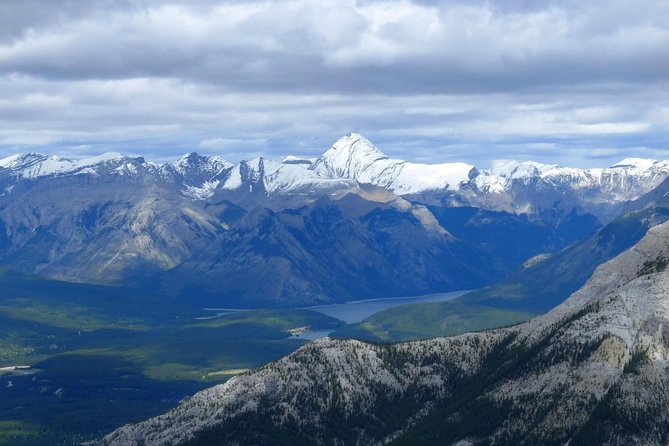
- You can look toward the Sundance Range
- You can see the high peaks of Lake Louise
- You can spot Mt Assiniboine in the broad panorama
- And you can see the town of Banff far below
The bigger benefit, beyond the obvious photos, is that the ridge hike gives you multiple “scale” perspectives. You’re not just looking at a mountain face; you’re looking across valleys, peaks, and layers of terrain. That’s what makes a ridge line feel like more than a standard viewpoint.
Also, because the Highline runs above treeline at points, weather matters more. If skies clear, the ridgeline views can feel almost nonstop. If the weather turns, the route can still be beautiful, but the comfort factor changes fast.
ACMG guide experience: why certification matters on a ridge
This tour includes an ACMG-certified guide, and that’s not a small detail. On a route with loose ground, exposed areas, and short off-trail sections, the difference between a good hike and a stressful one often comes down to how the route is managed.
A certified guide helps with more than just moving from point A to point B. They set pacing for the group, help you read terrain, and guide you where the route needs attention. The tour also caps groups at six, so you’re less likely to feel rushed or lost in a crowd.
You may also get a guide known from past trips—names that have come up include Jacob and Jeff. Both were praised for organization and for going above and beyond in how they led the day. One review even tied the experience to seeing big horned sheep, which is the kind of bonus wildlife moment you can sometimes catch on high, open ridges. You shouldn’t plan your whole day around it, but it’s a nice possibility.
Bottom line: if you want an alpine experience without doing it solo, a certified guide gives you that structure. It also turns route complexity into something you can enjoy instead of something you worry about.
Find the trailhead on more hikes and treks around Banff


The day flow: stops at Banff National Park and the Banff Gondola
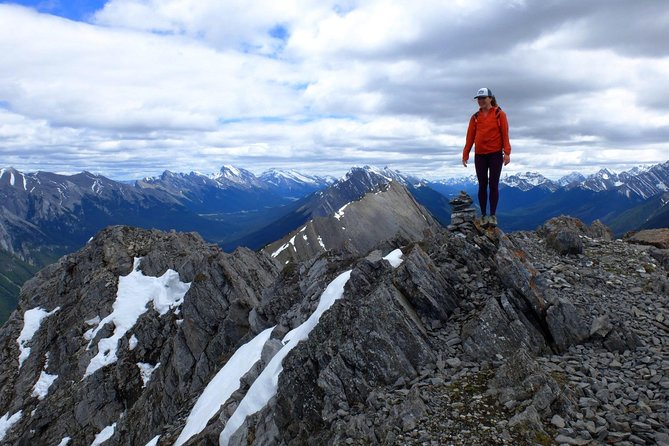
The schedule runs about 6 hours 30 minutes total, starting at 8:00 am. The key to enjoying the timing is knowing what that block of time includes: gondola access, hiking on the Highline trail, then returning to the Gondola station for amenities.
Your first stop is Banff National Park, which is essentially your early “we’re in the right place” moment. Even if you’re starting from the Gondola top, you’re still in the heart of Banff’s mountain country, and the guide’s presence is what helps you shift from scenic ride mode into hiking mode.
Then you move to Banff Gondola for the start of the trek. The Highline route begins from the top, and the hike follows the ridgeline with changing terrain—tree line to alpine hiking conditions—until you’ve taken in the key views.
When you’re back at the Gondola station, the tour ends, but your day doesn’t have to. That’s where the facility helps: you can use the interpretive center and mountaintop dining so the end of the hike feels like a real finish rather than just a retreat.
One practical takeaway: since bottled water and snacks are not included, you’ll want to plan for how you handle food and hydration during the hike portion. If you rely on buying things on the fly, you may not have that luxury while you’re up on the ridge.
Price and value: what you’re paying for at $219.99
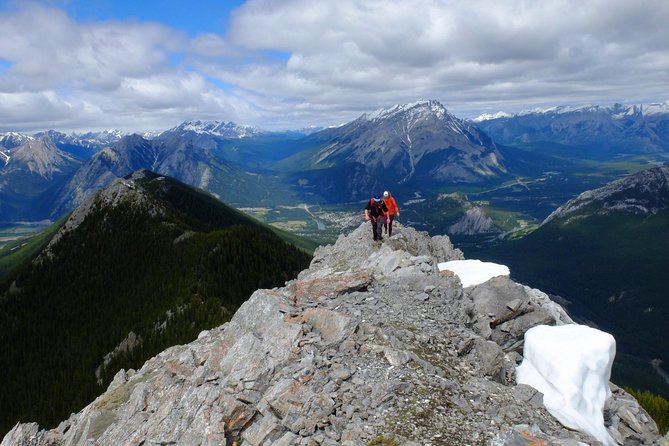
At $219.99 per person, this isn’t a budget hike. But it also isn’t just “a leader with a group.” The price covers two major value drivers that matter for the day:
- Banff Gondola ticket (so you don’t have to coordinate that separately)
- Certified ACMG guide for a route that includes off-trail sections and loose, exposed terrain
It also includes the small group cap of six, which is a real value lever. In a small group, the guide can spend time making sure people feel comfortable on the terrain, and you get a calmer hike overall.
What’s not included is equally important for budgeting:
- Bottled water
- Snacks
- Private transportation
So if you’re comparing this to self-guided hikes, you’ll spend less time figuring out logistics here and more time on the actual ridge experience. If you’re comparing to guided tours that don’t include gondola access, this one’s pricing starts to look more reasonable because the gondola portion is part of what you’re buying.
If you’re the type who wants to show up, follow the plan, and get out to the best ridge terrain without extra work, that’s where the value shines.
What to bring for a ridge hike you actually enjoy
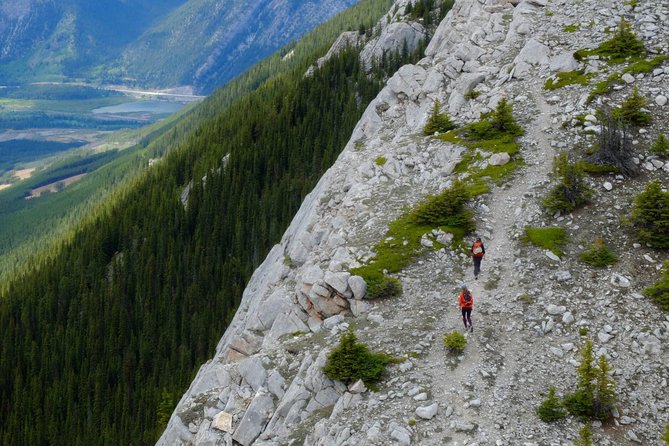
Because this is an alpine trek with loose and exposed sections, I’d pack like the terrain will demand your attention. You’ll be moving through forest, then into open alpine areas, plus surfaces like limestone slabs and scree slopes.
Since bottled water and snacks aren’t included, I’d plan on bringing what you need for energy and hydration. Even if you grab something at the Gondola afterward, you’ll likely want fuel during the hike portion.
For comfort and safety, I’d also bring:
- Sturdy hiking shoes with good grip (loose ground is part of the deal)
- Layers for shifting alpine weather
- Sun protection, since the route can include exposed terrain
- A small daypack so you’re not trying to manage essentials in your hands
The tour requires good weather, so your gear should help you handle that, too. If conditions are less than ideal, the hike may be rescheduled or refunded, but your personal comfort will still matter on whatever date you end up with.
Who should book the Sulphur Mountain Highline Trek
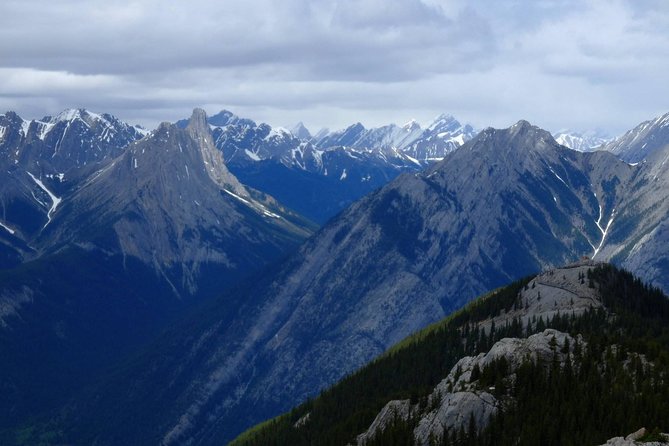
This is a strong fit if you want a guided Banff experience that feels adventurous without being a full day of backcountry planning. The route gives you a real ridge hike feel—tree line to alpine, limestone slabs, scree slopes—while still using Gondola access to keep it approachable for a wider range of fitness levels.
You should strongly consider booking if:
- You have average to good fitness
- You can handle short off-trail sections and some loose, exposed footing
- You want standout Banff views, especially toward Sundance Range, Lake Louise high peaks, and Mt Assiniboine
- You like the idea of a certified guide and a group size that stays small
You might want to skip it if you’re looking for a flat, easy walking tour. This is more “hike with attention” than “walk and chat the whole time.”
One more timing tip: the tour is often booked ahead, with an average booking window of 53 days. If you’re traveling in a peak season week, booking earlier is the smart move so you don’t end up waiting for last-minute availability.
Should you book this Highline Trek?
If your goal is to combine Banff Gondola with a real alpine ridge hike, this is a great choice. The value isn’t just the views—it’s the access plus ACMG-certified guiding plus the small group size that keeps the terrain manageable and the day organized.
I’d book it if you’re comfortable with moderate fitness effort and you’re okay with short off-trail and loose terrain. I’d think twice if exposed, uneven footing makes you nervous.
In short: for the right level of hikers, it’s one of those “Banff does mountains, not just postcards” days.
FAQ
FAQ
How long is the Sulphur Mountain Highline Trek?
The experience runs about 6 hours 30 minutes (approx.).
What time does the tour start?
It starts at 8:00 am.
Where do I meet for the tour?
You meet at the Banff Gondola, Box 1140, 100 Mountain Ave, Banff, AB T1L 1J3, Canada.
What’s included in the price?
It includes a Banff Gondola ticket and a certified ACMG guide.
What should I bring since water and snacks aren’t included?
Bottled water and snacks are not included, so you’ll want to plan ahead for what you’ll need during the hike.
How big is the group?
The tour has a maximum of 6 travelers.
What fitness level do I need?
You should have a moderate physical fitness level. The hike requires average to good fitness.
What if the weather is bad?
This experience requires good weather. If it’s canceled due to poor weather, you’ll be offered a different date or a full refund.
Is free cancellation available?
Yes. You can cancel up to 24 hours in advance for a full refund.
A Few More Hikes & Treks around Banff


More Gondola & Summit Rides in Banff
More Tour Reviews in Banff
Still scrolling? A few other Banff adventures worth a spot on the itinerary
Banff Gondola & Sulphur Mountain, compared.
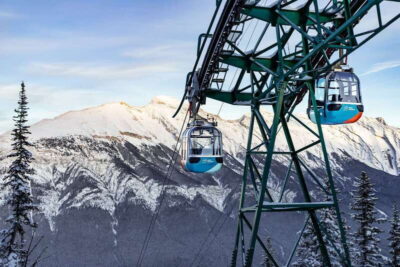 ★ 4.7Banff Gondola Admission TicketFrom $533,698 reviews
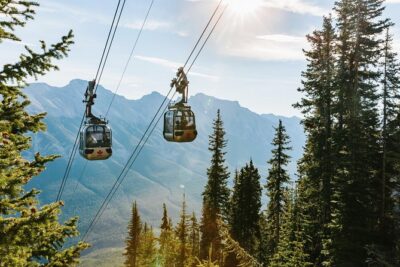 ★ 4.5Banff Gondola Ride AdmissionFrom $552,688 reviews
 ★ 4.9Mount Norquay 2.5 or 4-Hour Guided Via Ferrata ClimbFrom $145305 reviews
 ★ 4.7Sunshine Sightseeing Gondola and Standish ChairliftFrom $53235 reviews
 ★ 4.5Louise Louise, Banff Gondola, Minnewanka & Emerald LakesFrom $76224 reviews
 ★ 4.5Gondola, Hot Spring and Three Lakes TourFrom $79198 reviews
 ★ 5.0Banff Sunshine Village Gondola and SightseeingFrom $55192 reviews
 ★ 4.5Banff Tour with Gondola & Lake Cruise – roundtrip from BanffFrom $211168 reviews
Browse the lists this tour appears in