
Reviewed · JASPER & MALIGNE LAKE TOURS
Jasper: Planetarium Indoor Dome Experience
A night sky lesson in comfort. The Jasper Planetarium Indoor Dome Experience turns the big ideas of space into a hands-on show, with the aurora, far-off objects, and local Indigenous constellations all projected above you. Two things I really like: you learn and get time to ask questions, and the presentation connects national-park skies to real astronomy you can understand.
The experience takes place right at Fairmont Jasper Park Lodge, at the 42-seat climate-controlled dome theatre, so it’s easy to plan and you’re not hunting for an open-air viewing spot. One drawback to plan around: the show is short—35 minutes—so you’ll want to arrive early and settle in fast.
In This Review
- Key Highlights Worth Knowing Before You Go
- From Jasper Park Lodge to the Dome: Getting Set for a Smooth Start
- The 42-Seat Dome Theatre: Why the Format Works
- What You’ll See: Aurora Borealis, Planets, Nebulas, and Star Clusters
- Rocky Mountain Peaks and Space: Seeing Earth Through a New Lens
- Indigenous Constellations: A Local Astronomy Layer You Shouldn’t Skip
- Ask Questions, Then Head Back to the Real World
- Rules That Affect Your Comfort (No Phones, No Photos Indoors)
- Price and Value: Is $34 a Fair Deal?
- Who This Is Best For (and Who Might Skip It)
- The Practical Bottom Line: Should You Book This Jasper Planetarium Show?
- FAQ
- How long is the Jasper Planetarium Indoor Dome Experience?
- How much does it cost?
- Where do I check in?
- Is parking included, and where can I park?
- Is it wheelchair accessible?
- Can I bring my phone or take photos during the show?
Key Highlights Worth Knowing Before You Go
- Interactive planetarium dome format with a live astronomy guide and included Q&A
- Northern Lights visuals over Jasper National Park skies, even when weather is a question
- Indigenous constellations are part of the story, not just an afterthought
- Planets, nebulas, and distant star clusters explained in a way you can follow
- Climate-controlled seating in a 42-seat theatre for comfortable stargazing any season
Follow the parkway up for more Jasper and Maligne Lake outings around Jasper
- Jasper: Columbia Icefield Skywalk and Ice Explorer Ticket★ 4.6 · 2,444 reviews
- Jasper National Park: Maligne Lake Cruise With Guide★ 4.7 · 896 reviews
- Jasper Evening Wildlife Tour★ 4.5 · 710 reviews
- Jasper National Park: Evening or Morning Wildlife Watch Tour★ 4.6 · 691 reviews
From Jasper Park Lodge to the Dome: Getting Set for a Smooth Start
Your tour begins at the Main Lodge of Fairmont Jasper Park Lodge, steps from the dome theatre. Check in at the Planetarium Retail Desk inside the lodge. Once you’re inside, walk straight past the main front desk; the retail desk is in the SW corner of the lobby, across from the Emerald Lounge.
This is one of those details that matters more than you’d expect. The dome experience is time-boxed at 35 minutes, and latecomers aren’t admitted because it disrupts the show for everyone else. If you want the calm, start-from-the-beginning experience, I’d aim to be checked in 15 minutes before departure, not five.
Parking is also straightforward. You get free parking, and you can use any available lot (including P2, P3, or P4). P2 is closest to the planetarium, which is helpful if you’re trying to avoid extra walking. If you’re arriving near departure time, give yourself a little buffer so you don’t end up speed-walking in the lodge.
The 42-Seat Dome Theatre: Why the Format Works
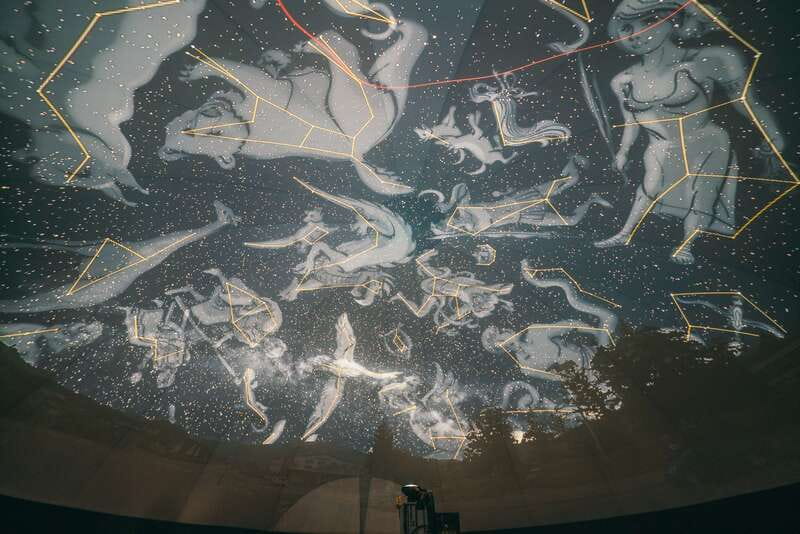
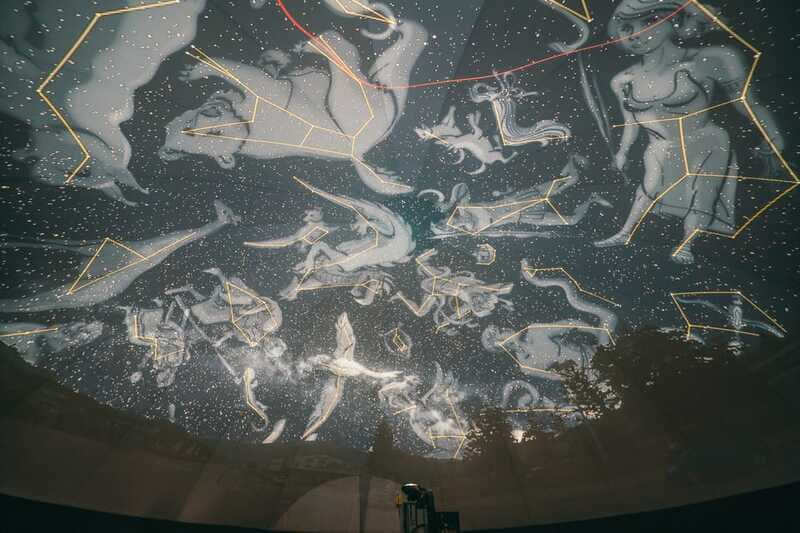
This is a planetarium show, but the setup is what makes it feel special. With a 42-seat indoor dome theatre, the visuals land big and clear, without the distractions of wind, temperature swings, or people constantly moving around. It’s climate-controlled, so you’re comfortable while your guide points out what’s happening in the sky and what it means.
I like that the experience is described as more than a standard show. The tone is interactive: you’re guided through what you’re seeing, then you get Q&A after the projection wraps. That’s a practical advantage in a place like Jasper, where many visitors have the same questions—Why does the aurora look like that? How big are the objects we’re seeing? What’s a nebula, exactly?—and you’re not stuck wondering after the credits.
Also, it’s designed for multiple learning styles. You get visual scale (the dome makes distances feel real), and you get explanations delivered by a live guide. If you’ve ever tried to learn astronomy from an app and ended up feeling lost, this format usually makes things click.
What You’ll See: Aurora Borealis, Planets, Nebulas, and Star Clusters
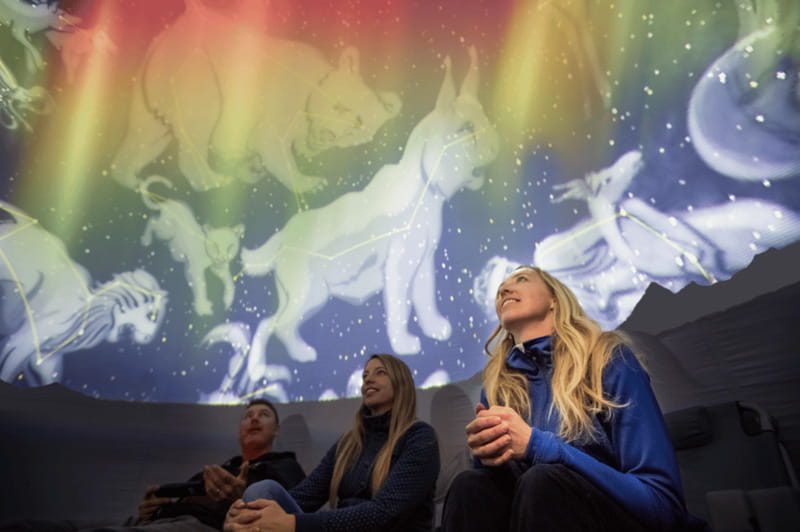
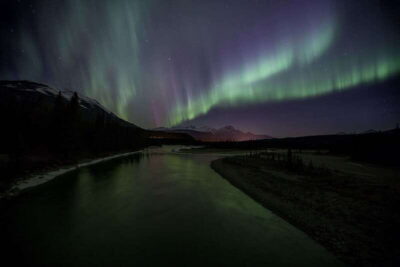
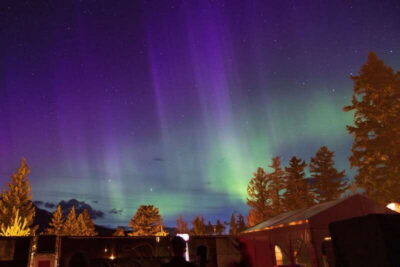
The headline moment is the chance to experience views of the Northern Lights over the skies of Jasper National Park. Even when real aurora nights don’t cooperate, the dome keeps the story consistent: you get to see aurora-like visuals and understand what’s behind them in a guided way.
From there, the show shifts outward—from what you can relate to locally, to objects you’d never be able to study at home. Expect segments covering:
- Planets
- Nebulas
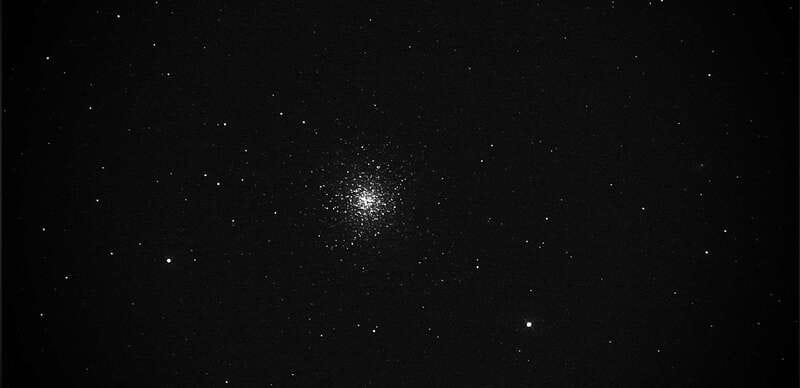
- Far away star clusters
What makes this valuable isn’t just the subject list. It’s the way the guide helps you understand why these categories matter. Planets become destinations, nebulas become cosmic “nurseries” (where relevant to the program), and star clusters become scale-makers. You start to build a mental map, so when you later look at a real night sky in the dark, things feel less random.
One more practical point: the whole experience is 35 minutes, so you won’t have time to get bored. It’s designed to move at a pace that keeps your attention, which is a plus if you’re not looking to spend an hour-plus in a dark room.
Rocky Mountain Peaks and Space: Seeing Earth Through a New Lens
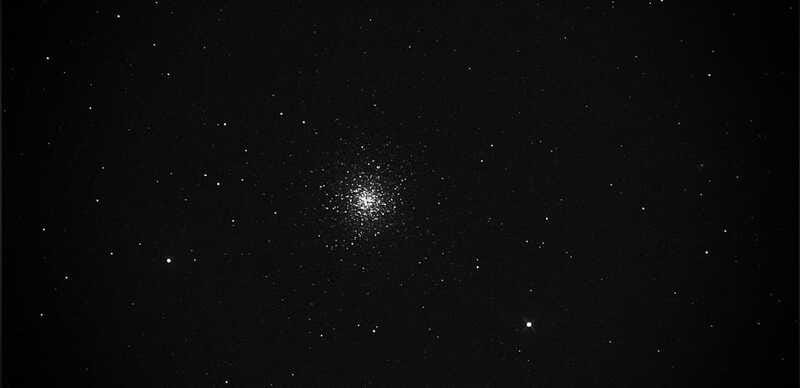
A neat part of the program is how it connects space imagery back to Earth. You’re not only staring outward; you’re also seeing references to things like glaciers from space. That’s a smart teaching choice. It helps you connect the “wow” factor of space visuals to real features on the ground, which makes the show feel less abstract.
Think of it like this: the dome does the heavy lifting for you. It compresses huge distances into a story you can follow in under an hour. And because the guide is live, you’re not just watching moving pictures—you’re hearing meaning attached to what you’re seeing.
If you’re the type who wants the science without turning it into a lecture, this kind of framing is often the sweet spot. It’s also useful if your group includes people with different interests—someone might love the aurora visuals, while someone else enjoys the idea of planets and deep-sky objects. The program gives both a path to understanding.
Wait for dark with more stargazing and night tours around Jasper
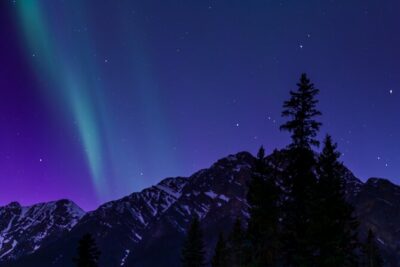
Indigenous Constellations: A Local Astronomy Layer You Shouldn’t Skip
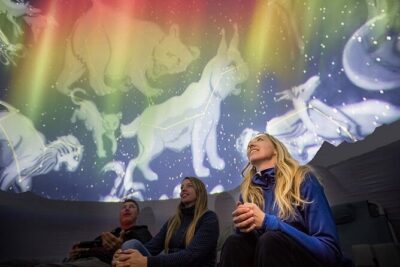
One of the most distinctive elements here is the inclusion of local Indigenous constellations. This matters because it treats the night sky as more than a set of physical objects—it’s also a place where knowledge, stories, and observation live.
I’d approach this part with an open mind. Instead of seeing it as “extra content,” treat it like a whole second lens on the sky. When guides connect constellations to meaning and local perspective, the experience tends to stick longer than generic star talk.
Also, because the program is short, you’ll feel the structure rather than getting lost in details. That can make the Indigenous constellations segment feel like a highlight—brief, memorable, and tied directly to what you’re seeing overhead in the dome.
Ask Questions, Then Head Back to the Real World
The show is designed with a built-in moment for questions. After the visuals, you get a Q&A with the astronomy guides, which is included in your ticket price. This is where the experience can improve a lot for you personally—because you can ask what you actually care about.
If you’re curious about aurora mechanics, want clarification on planets or nebulas, or just want help understanding scale, use that time. In a format like this, your questions turn the show into a two-way conversation instead of a one-and-done lecture.
One small timing reality: because the experience is 35 minutes, the Q&A likely won’t be a marathon. Come prepared with a couple questions in your head (even simple ones). That way you’re not scrambling when the mic or guide invites the group.
Rules That Affect Your Comfort (No Phones, No Photos Indoors)
The dome theatre runs on quiet, controlled conditions, and the rules reflect that. Here’s what to plan around:
- Cellphones aren’t allowed
- Photography inside isn’t allowed
- Flash photography isn’t allowed
- Audio recording isn’t allowed
- No smoking or vaping
- No food or drink
- No pets, though assistance dogs are allowed
- Unaccompanied minors aren’t allowed
- Children under 4 years aren’t suitable
I’m glad they’re strict here. When everyone follows the rules—especially the no-phone, no-camera part—the dome stays immersive and the guide can keep things flowing without interruptions.
If you hate leaving your phone behind, make a quick decision early: either plan to use it only before check-in and store it afterward, or just go fully hands-free for the show. You’ll likely enjoy it more once you’re not distracted by notifications.
Price and Value: Is $34 a Fair Deal?
At $34 per person for a 35-minute interactive planetarium experience, the value comes down to what you want out of it.
You’ll get good value if you:
- Want a guided, indoor way to learn about the night sky (especially in seasons when outdoor viewing is unpredictable)
- Like live explanation rather than reading about astronomy on your own
- Care about the Indigenous constellation segment and aurora-focused visuals
- Would actually use the included Q&A
You might feel mixed on value if you expect a long documentary-style show with lots of time to soak in one topic. The experience is short by design. And some people can interpret a guided “kid-friendly” feel more harshly than others, depending on how they like their science—fast and story-led, or slow and technical.
I’d treat it as a very efficient evening add-on. Think of it like a short, well-packaged science class with star visuals and a local guide in the dome.
Who This Is Best For (and Who Might Skip It)
This experience is a strong match for:
- Couples and families who want something weatherproof in Jasper
- Visitors who are new to astronomy and want clear explanations
- People traveling with mixed interests (aurora fans and space-nerd types can both enjoy it)
- Anyone who appreciates cultural connections through local Indigenous constellations
It may not be the best match if:
- You want a self-paced tour where you can take your time taking photos
- You hate rules that require no phone use for the duration
- You’re looking for a long, in-depth astronomy lecture that lasts well beyond half an hour
The Practical Bottom Line: Should You Book This Jasper Planetarium Show?
If you’re in Jasper and you want an easy, comfortable way to learn the night sky, I think this is worth booking. The key advantages are the indoor comfort, the aurora and deep-sky visuals, the local Indigenous constellation layer, and the fact that you can ask questions at the end.
Book it if you’ll show up early, go phone-free inside the dome, and treat it like a short guided lesson. Skip it if you’re only there for photography-heavy content or you need long-form immersion to feel satisfied.
If you’re flexible on time and you like guided experiences, this one is a solid use of an evening in Jasper—especially when the outdoors can’t guarantee the show you’re hoping for.
FAQ
How long is the Jasper Planetarium Indoor Dome Experience?
It lasts 35 minutes.
How much does it cost?
The price is $34 per person.
Where do I check in?
Check in at the Planetarium Retail Desk inside the Main Lodge at Fairmont Jasper Park Lodge. Once inside, walk past the front desk; the retail desk is in the SW corner of the lobby across from the Emerald Lounge.
Is parking included, and where can I park?
Free parking is included. You can park in available lots such as P2, P3, or P4, with P2 being closest to the planetarium.
Is it wheelchair accessible?
Yes, it’s listed as wheelchair accessible.
Can I bring my phone or take photos during the show?
No. Cellphones aren’t allowed, and photography inside is not allowed. Flash photography is also prohibited.
More Stargazing & Night Tours around Jasper


More Jasper & Maligne Lake Outings from Jasper



More Tour Reviews in Jasper
Still scrolling? A few other Jasper adventures worth a spot on the itinerary



Jasper & Maligne Lake Tours, compared.
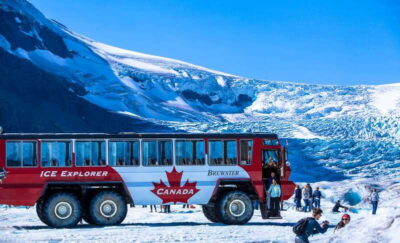 ★ 4.6Jasper: Columbia Icefield Skywalk and Ice Explorer TicketFrom $962,444 reviews
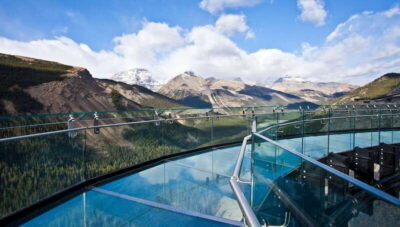 ★ 4.3Jasper: Columbia Icefield SkywalkFrom $37916 reviews
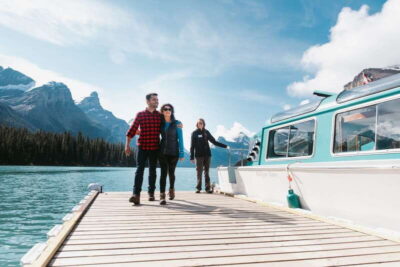 ★ 4.7Jasper National Park: Maligne Lake Cruise With GuideFrom $84896 reviews
 ★ 4.5Jasper Evening Wildlife TourFrom $65710 reviews
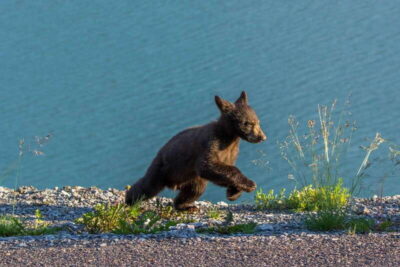 ★ 4.6Jasper National Park: Evening or Morning Wildlife Watch TourFrom $63691 reviews
 ★ 5.0Jasper Wildlife & Sightseeing Tour with Maligne Lake CruiseFrom $176603 reviews
 ★ 4.7Jasper SkyTram Roundtrip Flight TicketFrom $59567 reviews
 ★ 4.5Maligne Lake CruiseFrom $86502 reviews
Browse the lists this tour appears in