
Reviewed · BOW VALLEY WILDLIFE & GRIZZLY TOURS
From Banff: Banff Wildlife & Scenic Highlights Premium Tour
Wildlife hunting in Banff feels like a live map. This 3-hour small-group tour is built around a dusk/sunset route and a guide who adjusts the stops based on recent wildlife sightings and the day’s weather.
I especially like the wildlife-corridor approach—you’re specifically positioned where animals tend to move through the area, and you’re told wildlife is spotted on 95% of tours. I also like the human touch: guides share Banff facts along the way, and people in the reviews mention guides like Lubo and Tess keeping the vibe fun while pointing out what you’re actually looking at.
One consideration: sightings are never guaranteed, and the tour itself notes bears usually hibernate between November and April. If you’re coming in winter expecting a bear every evening, you’ll want to adjust expectations.
In This Review
- Key points to know before you go
- Dusk in Banff: why this tour’s timing matters
- The 3-hour ride: comfortable windows and efficient stop times
- Pickup and drop-off: easiest way to do Banff without a car
- Banff National Park drive: how the wildlife-watching actually works
- Lake Minnewanka stop: classic views, plus seasonal ice reality
- Two Jack Lake: a quick stop that can still pay off
- Surprise Corner, Hoodoos viewpoint, and Mt. Norquay: the photo stops with payoff
- Bow Falls: scenery plus a wildlife-practical final stretch
- The wildlife odds: what 95% means, and what it doesn’t
- Guide energy: from Lubo to Tess to Connie
- Pricing and value: how $91 stacks up in real Banff terms
- Who this tour fits best (and who might want something else)
- Should you book this Banff Wildlife & Scenic Highlights Premium Tour?
- FAQ
- How long is the Banff Wildlife & Scenic Highlights Premium Tour?
- What locations do you visit on the tour?
- Is a park pass included?
- What time of day is this tour run?
- How big is the group?
- What pickup options are available in Banff?
- What wildlife might you see?
- Are bears likely in winter?
- What should I bring?
- Who can join?
Key points to know before you go
- Small group of up to 12 keeps the ride personal and the stops less chaotic.
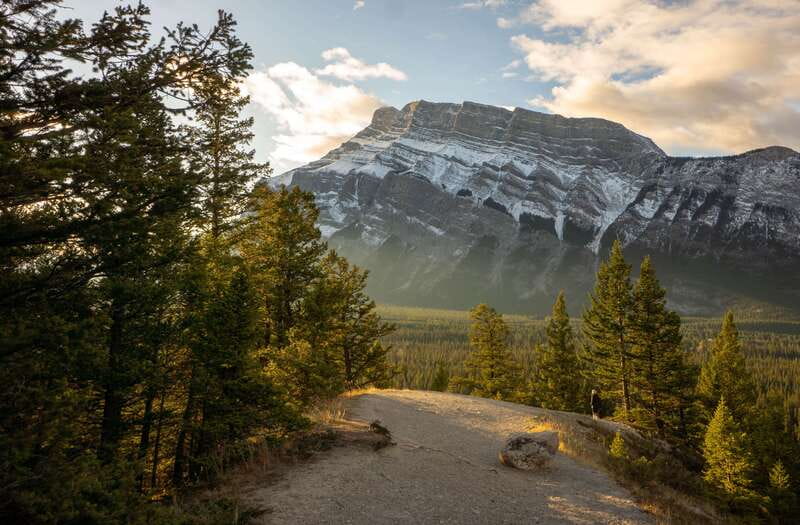
- Dusk timing helps with animal activity and better light for photos at classic viewpoints.
- Route changes by day based on wildlife sightings and weather, not a fixed script.
- Panoramic windows mean comfortable viewing even when you just want to sit and watch.
- Classic stops plus “local secret spots” give you scenery even on quieter wildlife days.
- Winter-ready touches include hot drinks and treats from November to April, depending on the season.
Keep your eyes on the treeline with more Bow Valley wildlife tours in Banff
- Banff Highlights & Wildlife | Award-Winning Small Group Adventure★ 4.5 · 725 reviews
- Banff: Evening Wildlife Safari Guided Tour★ 3.9 · 465 reviews
- From Banff: Banff Wildlife & Scenic Highlights Premium Tour★ 4.4 · 266 reviews
- Banff and its Wildlife – Year Round Tour★ 4.5 · 171 reviews
Dusk in Banff: why this tour’s timing matters
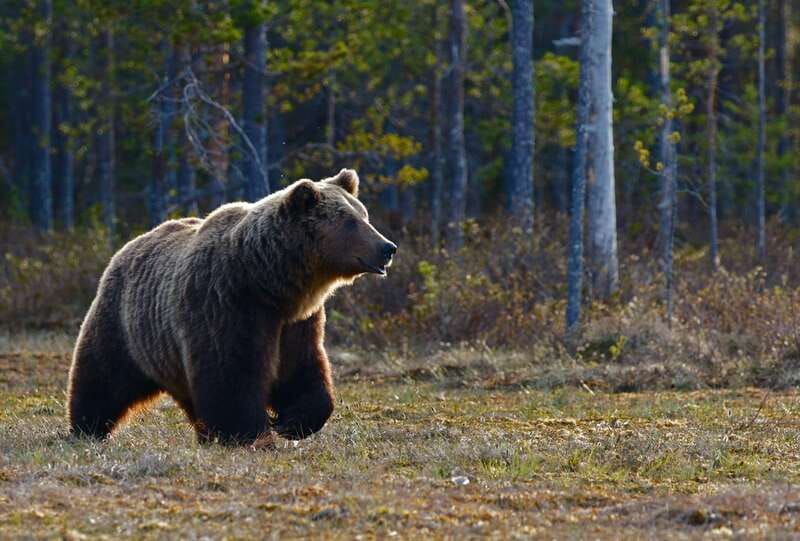
Banff wildlife watching is often a game of timing. This tour leans into the late-day window with a dusk/sunset tour time, which typically brings more movement from animals and gentler light for photos. Even if you don’t hit a big-ticket sighting, you still get that golden-hour glow at the viewpoints and lakes—especially helpful if you’re short on time.
The other smart move is how the day’s route works. Your guide plans the drive based on “what’s happening right now,” using recent wildlife sightings and the weather conditions. That matters because the same stop can be great one evening and quiet the next.
The 3-hour ride: comfortable windows and efficient stop times
This is not an all-day hike marathon. It’s a tight 3-hour loop designed for watching from the road, stepping out for photos, and then moving on when conditions look right. Expect a smooth rhythm: quick scenic/photo stops and short windows to look around.
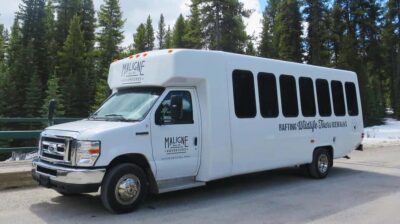
Transport is part of the experience. You’ll ride in spacious transportation with large panoramic windows, which is great when animals appear far out and you don’t want to crane your neck. In winter months (November to April), the tour includes hot beverages like tea, coffee, or hot chocolate, plus local specialty treats. That little comfort detail shows up in reviews too, where people mention hot drinks during evening outings.
The pace is also why this tour suits first-time Banff visitors. You get to see multiple areas—lakes, waterfalls, and viewpoints—in one evening without doing the driving math.
Pickup and drop-off: easiest way to do Banff without a car
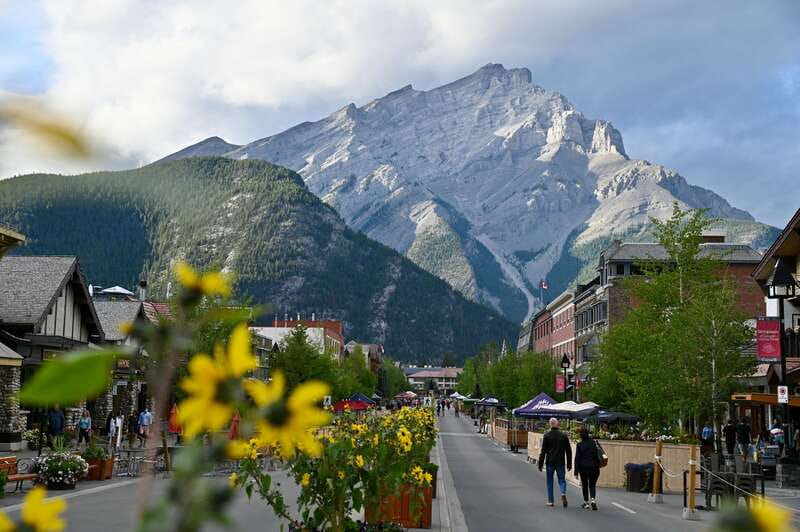
If you’d rather not rent a car or don’t want to juggle parking, pickup here is a major win. The tour includes pickup and drop-off in Banff, with multiple options around town. One key meeting detail: pickup is in the Bus Loading Zone on Elk Street, just off the roundabout across from the Train Station (next to the Banff sign). You’re asked to allow an extra 5 minutes for parking and walking to the meeting point.
In winter (November 1 to April 30), pickup times are listed by hotel, and the reminder is important: the tour start time is not your pickup time. You should be ready about 5 minutes early.
At the end, you’ll be dropped off at selected Banff locations, which keeps the whole evening simple. This convenience is especially valuable if you’re doing Banff as a quick stop between road trips.
Banff National Park drive: how the wildlife-watching actually works
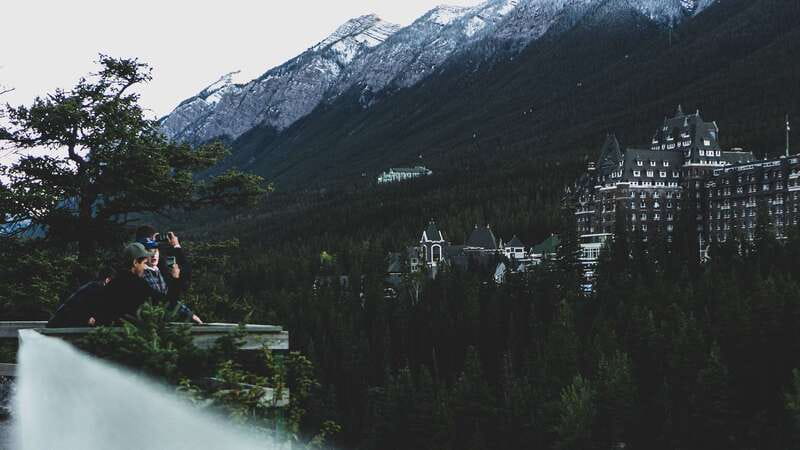
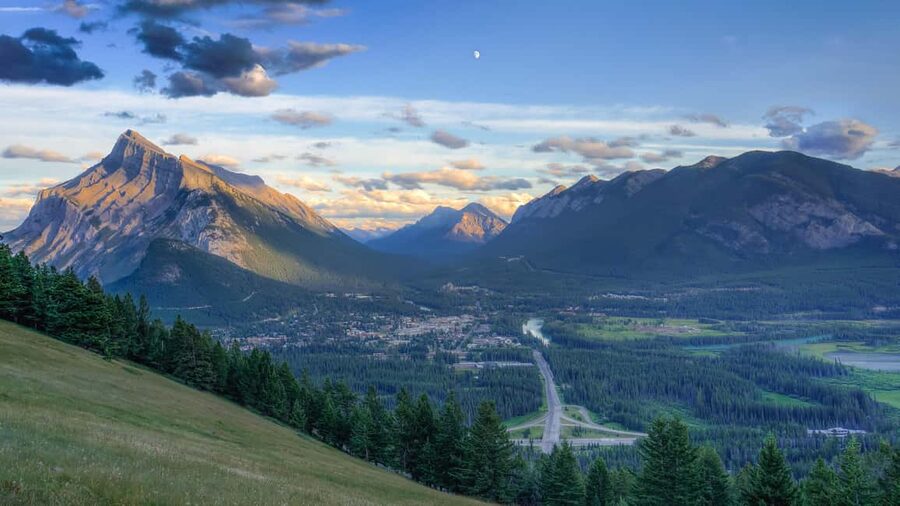
The tour is built around the idea of wildlife corridors—the routes animals use to move through the region. That means you’re not only stopping at scenic overlooks. You’re also traveling along stretches where your guide expects animals might be active, then using the best vantage points to look.
You can expect your guide to scan constantly and tell you what to look for. In the reviews, people repeatedly mention guides stopping the van when animals show up and then giving time for photos without rushing. It’s one of those small operational things that changes the feel of the tour: you’re not just passing by stops, you’re getting guided attention when it counts.
Also, the guide adjusts the plan day-to-day using wildlife sightings and weather. That’s not just logistics—it’s how you keep the odds better than you’d get if you were guessing on your own from a map.
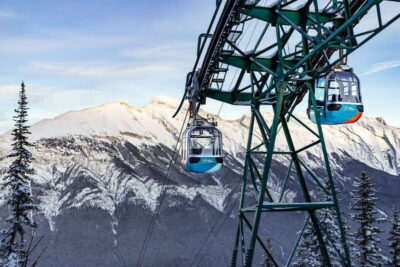
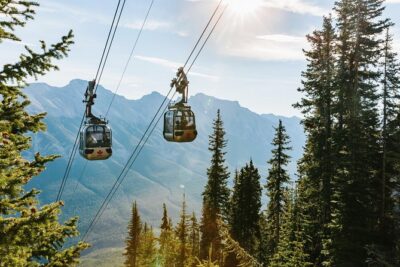
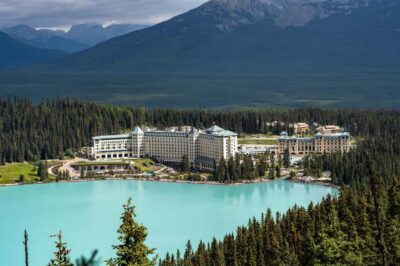
Lake Minnewanka stop: classic views, plus seasonal ice reality
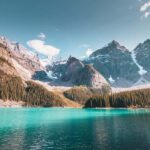
Lake Minnewanka is one of those Banff names you’ll hear constantly, and here you get a focused photo and viewpoint-style stop. You’ll have time for sightseeing and a camera moment, plus wildlife viewing time.
The seasonal note is important: the high alpine lakes around this area, including Lake Minnewanka and Two Jack Lake, can remain frozen into early June. In winter and shoulder seasons, that can actually be a plus—ice texture and light can look dramatic—but you should know you may not get the same shoreline vibe as in summer.
Even if wildlife is quiet, Minnewanka is a scenic anchor for the tour. It gives you something to enjoy while you’re waiting for that next roadside animal sighting.
Two Jack Lake: a quick stop that can still pay off
Two Jack Lake is a shorter stop but it fits the tour’s purpose: set your eyes on a lake-and-mountain setting, then move on while animal activity is still likely.
You’ll have time for a photo stop and quick viewing. In calmer moments, this kind of stop is where you notice the details: birds, tracks, how the wind moves, and where animals might come down for water.
And again, season matters. If the lake is frozen (the tour notes it can be into early June), your experience becomes more about atmosphere and viewpoints than boat-friendly scenery. That’s not a deal-breaker; it’s part of why Banff in shoulder and winter can feel different.
Surprise Corner, Hoodoos viewpoint, and Mt. Norquay: the photo stops with payoff
From what you’re set up for, you’ll likely hit multiple lookouts that put you above the traffic and gives you a better angle on the valleys. Highlights include Surprise Corner Viewpoint, Hoodoos Viewpoint (noted as an additional location you may visit), and Mt. Norquay Viewpoint (also listed as an additional option).
These stops matter because wildlife often uses the open terrain and edges where sight lines are long. A good viewpoint does two things:
1) it helps you spot animals from farther away, and
2) it gives you time to frame photos without feeling rushed.
In reviews, people often praise the guides for taking them to viewpoints they wouldn’t have found alone. That lines up with the idea of local secret spots and a route tuned to the day.
If you like photos, bring your camera and plan on short bursts of shooting rather than one long hike. The tour is designed for that style.
Bow Falls: scenery plus a wildlife-practical final stretch
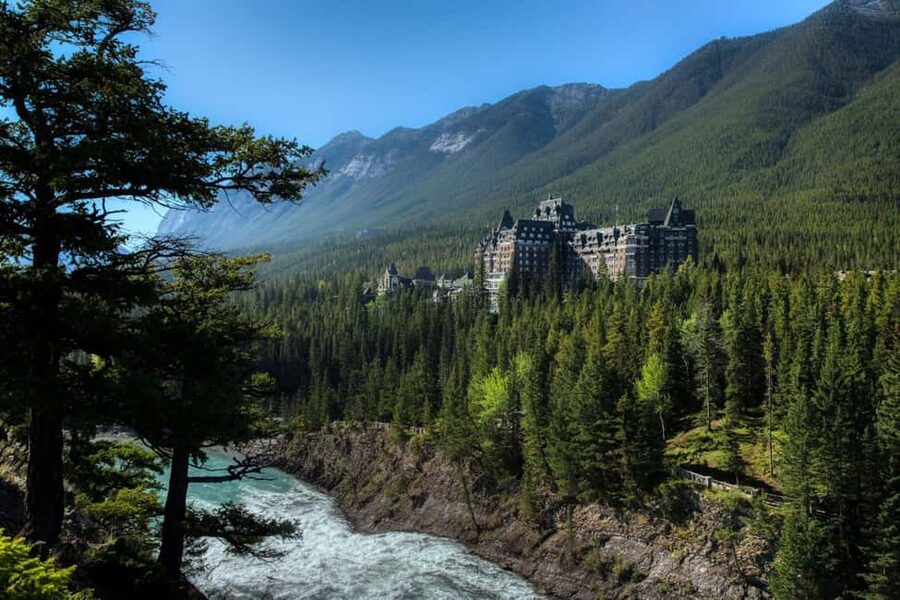
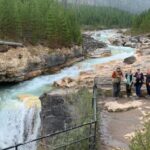
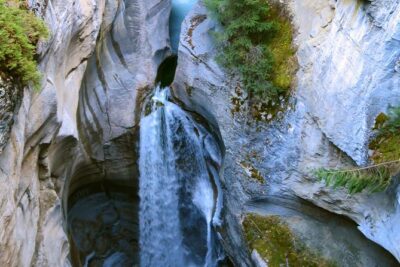
Bow Falls is another classic Banff stop, and here you get time for photo stops and wildlife viewing before wrapping up the drive. It’s a good closing highlight because it combines movement in the scenery (water, changing light) with the chance of roadside or nearby sightings.
This is also where dusk timing really helps. In late light, waterfalls and rock textures look sharper, and the contrast makes it easier to capture the scene without harsh midday glare.
Even if you don’t see a big mammal at this last stretch, you’re still leaving with that “Banff is real” feeling—water, canyon walls, and the sense that you’re in the heart of the national park experience.
The wildlife odds: what 95% means, and what it doesn’t
The tour advertises an activity where wildlife is spotted on 95% of tours, and that’s a big part of the value. But it still comes with the reality of nature: wildlife is unpredictable. Even the best guide can’t force animals to show up on schedule.
What this tour can do is improve your chances in practical ways:
- You’re traveling in a dedicated wildlife-watching window (dusk).
- Your route is adjusted based on recent sightings and weather.
- You’re stopping at viewing points that make it easier to spot animals.
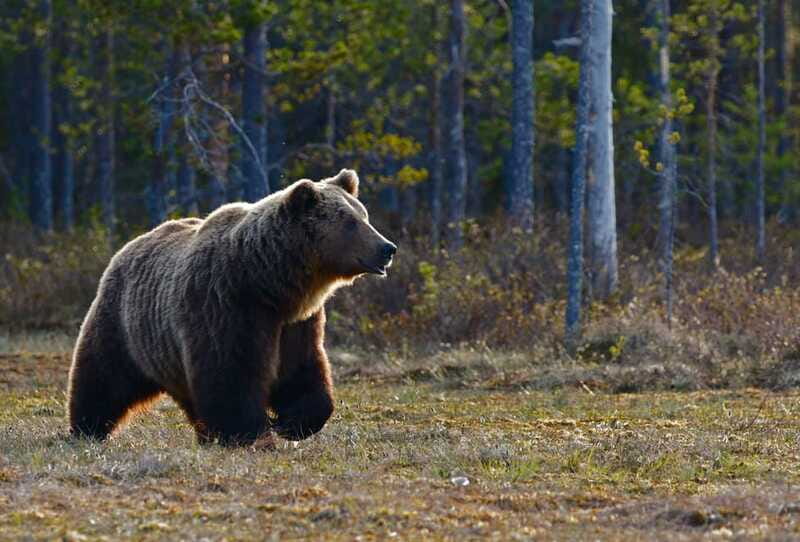
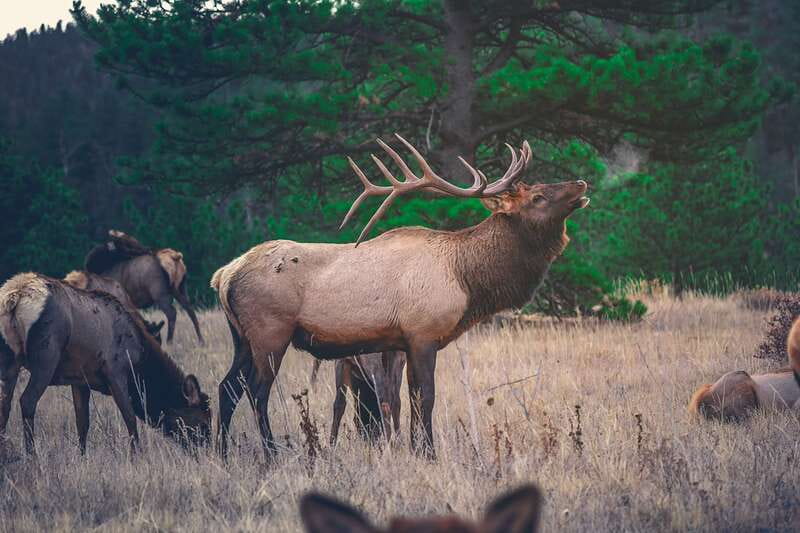
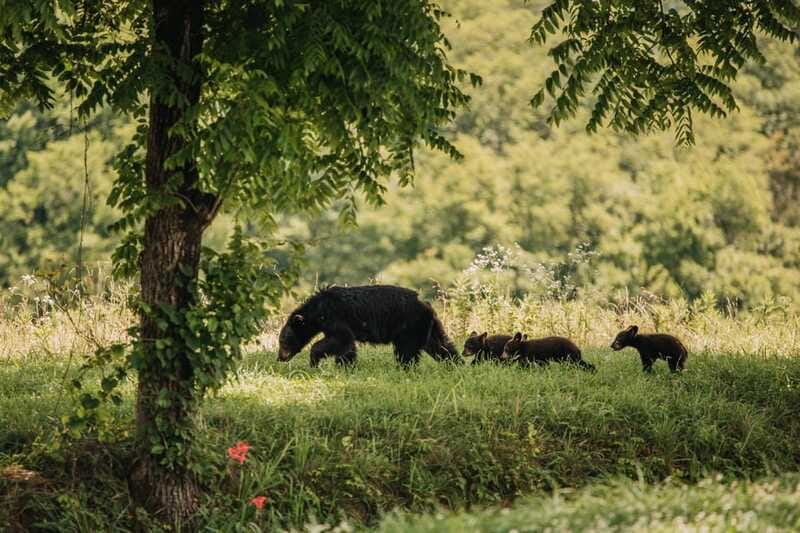
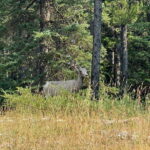
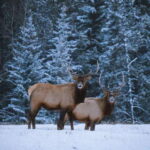
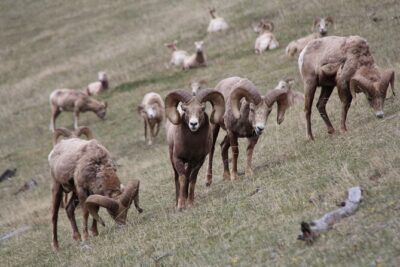
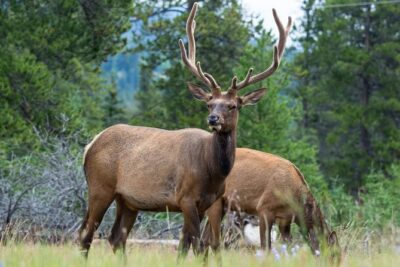
The guide also tends to help you identify what you’re seeing. In the reviews, people mention lots of species—elk, white-tailed deer, bighorn sheep, coyote, foxes, and birds like a bald eagle. Some groups even report rarer excitement like a bear sighting. But you should treat those as examples, not guarantees.
Also, the tour gives a specific seasonal note: bears usually hibernate between November and April. So in colder months, you might still see plenty, just not always bears. If your bucket-list animal is a bear, you’ll want to time your trip accordingly or be prepared for a different lineup.
Guide energy: from Lubo to Tess to Connie
What really keeps this tour from feeling like a bus ride is the way the guide brings the area to life. Reviews consistently mention guides sharing facts and history while keeping the group comfortable and engaged. Names that come up include Lubo, Tess, Connie, Ollie, Emma, Connor, Simón, Kayla, Brandon, Nolan, Jess, and Riley.
The details people appreciate most:
- guides answer questions as they come up
- they share what wildlife is doing right then, not random trivia
- they adjust stops to keep things calm and photo-friendly
- humor shows up more than you’d expect on a wildlife tour
That matters because Banff can be overwhelming at first. A good guide helps you focus—where to look, what to ignore, and how to read the terrain like a local.
Pricing and value: how $91 stacks up in real Banff terms
At about $91 per person for a 3-hour tour, the value comes from three things you’d otherwise have to spend money and effort on:
1) Guide-led routing tuned to sightings and weather
2) Transportation with pickup and drop-off across Banff
3) Efficient sightseeing that hits lakes, falls, and viewpoints in a single evening
The one thing not included is the park pass. If you’re already planning to visit Banff National Park anyway, that’s likely a cost you’re paying regardless. But it’s still worth checking so you don’t get surprised at checkout.
Small group size (maximum 12) also helps the value. When you’re not packed into a large coach, it’s easier for the guide to manage stops and for everyone to see what’s happening.
If you’re comparing this to DIY driving, remember the main cost isn’t gas—it’s time and decision fatigue. This tour handles the “where should we go next” part for you.
Who this tour fits best (and who might want something else)
This tour is a strong match if you:
- want a guided evening plan with minimal driving stress
- like wildlife watching from viewpoints and roadside pull-offs
- want classic Banff scenery like Bow Falls and Lake Minnewanka without stacking a full day of driving
It may be less ideal if you:
- want long hikes into backcountry terrain (the format is mainly viewpoints and short stops, not extended trekking)
- are expecting a guaranteed bear encounter, especially in November through April
- are traveling with kids under 12, since the tour minimum recommended age is 12
The tour also has a few hard rules that matter for planning: no pets, no baby strollers, and no luggage or large bags. If you’re traveling light, it’s easier.
Should you book this Banff Wildlife & Scenic Highlights Premium Tour?
Yes—book it if you want a practical, dusk-focused way to cover Banff’s top scenery and improve your odds at wildlife without managing your own route. The mix of short, well-chosen stops plus guide attention is exactly what you want when you have only a few hours and you don’t want to miss the best light.
Skip or reconsider if you’re coming purely for a specific animal you think you’ll definitely see, or if you’re hoping for hiking-heavy adventure. This is a viewing tour, not a trail-blazing one.
If you’re flexible and you pack a camera (and weather-appropriate clothing), you’re set up for a genuinely satisfying Banff evening—even on those nights when the wildlife is quieter than you hoped.
FAQ
How long is the Banff Wildlife & Scenic Highlights Premium Tour?
It lasts about 3 hours.
What locations do you visit on the tour?
You can expect stops that include Lake Minnewanka, Two Jack Lake, Surprise Corner Viewpoint, Bow Falls, and viewpoints such as Hoodoos Viewpoint and Mt. Norquay Viewpoint.
Is a park pass included?
No, a park pass is not included.
What time of day is this tour run?
It’s scheduled for dusk/sunset.
How big is the group?
It’s a small group tour with a maximum of 12 guests.
What pickup options are available in Banff?
Pickup is available at multiple Banff locations, including Banff Train Station, plus select hotels. The Train Station meeting is in the Bus Loading Zone on Elk Street, just off the roundabout across from the station.
What wildlife might you see?
The tour is designed for wildlife viewing and you may see bears, elk, deer, coyotes, foxes, bighorn sheep, and more.
Are bears likely in winter?
The tour notes that bears usually hibernate between November and April.
What should I bring?
Bring a camera and comfortable, weather-appropriate clothing.
Who can join?
The minimum recommended age is 12 years old, and children under 12 are not suitable for this tour.
More Bow Valley Wildlife & Grizzly Tours in Banff
More Tour Reviews in Banff
Still scrolling? A few other Banff adventures worth a spot on the itinerary
Bow Valley Wildlife & Grizzly Tours, compared.
 ★ 4.5Banff Highlights & Wildlife | Award-Winning Small Group AdventureFrom $94725 reviews
 ★ 4.5Jasper Evening Wildlife TourFrom $65710 reviews
 ★ 4.6Jasper National Park: Evening or Morning Wildlife Watch TourFrom $63691 reviews
 ★ 5.0Jasper Wildlife & Sightseeing Tour with Maligne Lake CruiseFrom $176603 reviews
 ★ 4.8Jasper: Wildlife and Waterfalls Tour with Maligne CruiseFrom $155501 reviews
 ★ 3.9Evening Wildlife Safari Guided TourFrom $55465 reviews
 ★ 4.7Jasper: Wildlife and Waterfalls Tour with Lakeshore HikeFrom $77239 reviews
 ★ 5.0Jasper Wildlife and Sightseeing Tour with Maligne Lake HikeFrom $81216 reviews
Browse the lists this tour appears in