
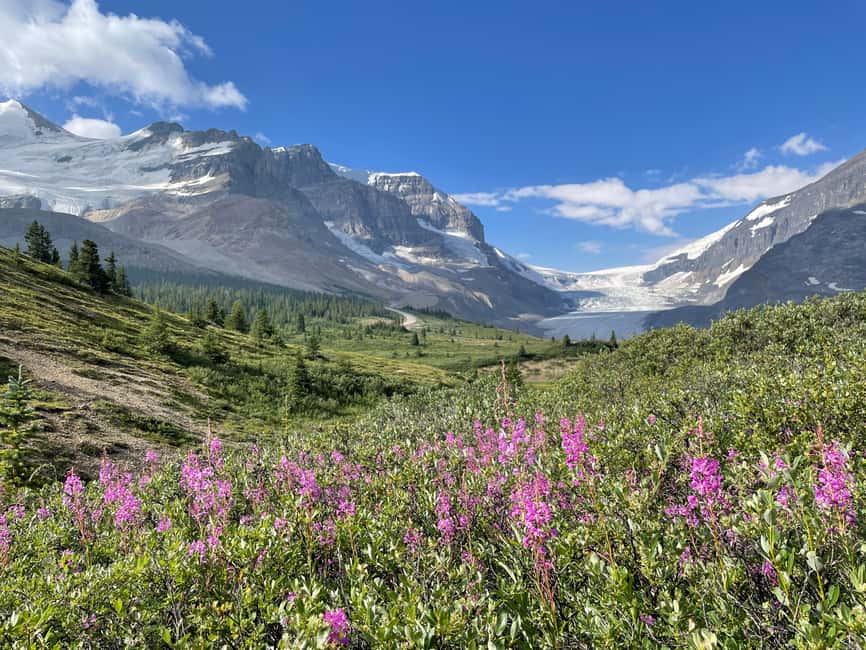
Reviewed · ICEFIELDS PARKWAY & COLUMBIA ICEFIELD
Columbia Icefield: Guided Glacier Hike
Walking on the Athabasca Icefield feels unreal. This guided glacier hike at the Columbia Icefield keeps things safe with an ACMG-certified guide, including leaders like Pete, and it gets you onto the ice to see the Athabasca Glacier up close.
I also love how you don’t just get scenery—you get the gear and the explanations, from micro-spikes to rain setup and a hands-on interpretive program. The only real drawback to plan around is the altitude: the tour runs at about 2000m, and some people feel short of breath.
In This Review
- Key things that make this hike worth your time
- First, Find the Right Vans (IceWalks) on HWY 93
- The 3-Hour Plan: Shuttle, 5 km Walk, and a Smart Pace
- Getting Onto the Athabasca Glacier: What You’ll Actually See
- A note on where you’ll stand
- Why the Guide Makes or Breaks This Glacier Walk
- Gear: What IceWalks Gives You vs. What You Need to Bring
- Moderate Difficulty, Real Altitude, and Who Should Pass
- Price: Why $96 Can Feel Fair for a Small, High-Impact Experience
- Best Day for This Hike: Weather and Comfort That Actually Matter
- Who This Glacier Hike Fits Best (and Who It Doesn’t)
- Should You Book the Columbia Icefield Guided Glacier Hike?
- Quick checklist before you commit
- FAQ
- How long is the Columbia Icefield guided glacier hike?
- What’s the walking distance and elevation gain?
- Is the hike difficult?
- What equipment is included?
- What should I bring from home?
- Where do I meet the tour?
- Do I need my own crampons or boots?
- What language is the tour guide speaking?
- Is it safe for kids and older adults?
- Is there an altitude concern?
Key things that make this hike worth your time
- You step onto the Athabasca Glacier (not just view it from a bus window)
- Crevasses, mill wells, meltwater streams, and icefalls explained with context and safety distance
- ACMG-certified guidance for moving around glacier terrain with confidence
- All core equipment provided like micro-spikes, plus rain gear, poles, boots, gloves, and hats
- A moderate 5 km roundtrip with about 200m elevation gain, typically suited to active ages 7–16 and older hikers
A few more Banff trips and Rockies outings we have written up around Banff National Park, if you are still mapping the days.
- Columbia Icefield: Guided Glacier Hike★ 4.9 · 65 reviews
- Banff Top Sights via Electric Fat Bike Tour All Skill Levels★ 5.0 · 10 reviews
- Bestseller From Canmore/Banff: Moraine Lake Adventure★ 5.0 · 10 reviews
First, Find the Right Vans (IceWalks) on HWY 93
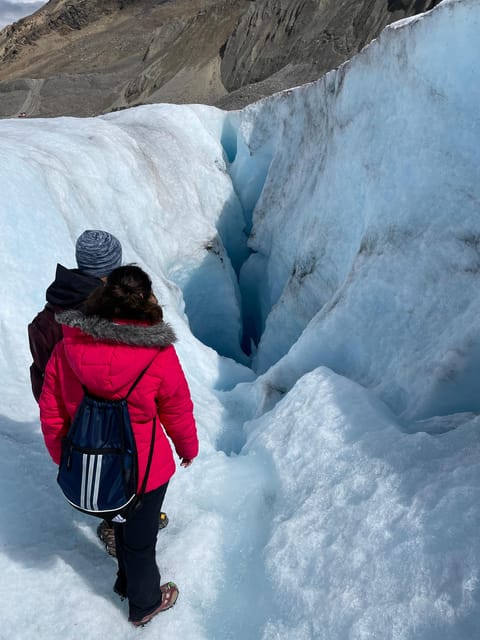
This tour starts in the Icefield area near HWY 93, and the meeting point details matter more than you’d think, because there are multiple parking spots and you want to avoid the wrong lot.
Go from HWY 93 into the Icefield Information Centre and Glacier Gallery parking area. Look for a black trailer and white vans with the IceWalks logo at the T-junction between the overflow RV parking and the visitor parking. The parking lot is on the north side of the highway (opposite the glacier).
Two small but important notes:
- Don’t go into the building.
- Don’t park in the Glacier View Hotel Parking lot.
If you’re driving, I’d suggest arriving a few minutes early. Glacier hikes run on tight timing because you’ll be shuttled a short distance to the trailhead once everyone is accounted for.
The 3-Hour Plan: Shuttle, 5 km Walk, and a Smart Pace
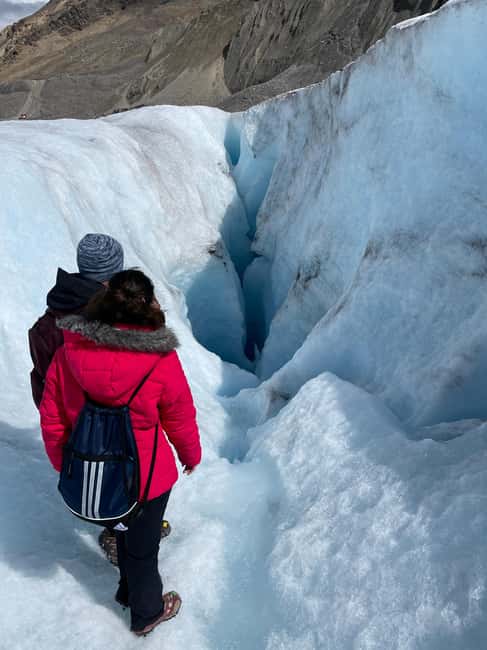
The tour clocks in at about 3 hours, and it usually runs in the morning and afternoon. Expect a format that feels like a guided walk with stops—so you can listen, look, and reposition safely as the group moves across the glacier environment.
Here’s what happens, in practical terms:
- You meet at the IceWalks spot in the parking area.
- The group is shuttled a short distance to the trailhead.
- You walk a total of 5 km roundtrip.
- You gain about 200m in elevation along the way.
- There’s an interpretive program as you go—built around the formations you’re seeing.
Moderate difficulty is the headline here. That’s good news if you hike occasionally, but it’s still an active walk on icy footing. You’ll want to keep a steady pace and be ready for slick patches, plus a few stretches where everyone slows down to observe safely.
Getting Onto the Athabasca Glacier: What You’ll Actually See
The whole point is walking onto the Athabasca Glacier, a major part of the Columbia Icefield. From there, you’ll get close enough to understand how glaciers work—without doing anything technical like climbing.
Your route includes views and safe lookouts for the glacier’s features, including:
- Deep crevasses, where you can peer down and see that dramatic geometry of the ice
- Meltwater pouring over an edge, which helps you connect what you see above with the processes happening below
- Mill wells (water working its way into holes and rushing into the depths of the ice)
- Meltwater streams, which show how water carves paths even in frozen terrain
- Icefalls from a safe distance, so you can appreciate the shapes without getting too close
This is the kind of experience where the “wow” is real, but the guide’s job is what turns it into understanding. When you hear the explanations while you’re standing in front of the features, everything makes more sense than pictures ever do.
A note on where you’ll stand
The tour includes ice formations like icefalls and crevasses, but you won’t be free-ranging on unsafe spots. The guiding approach is about letting you see the big things while keeping you on the safe side of glacier hazards. That’s part of why this hike feels controlled rather than chaotic.
Why the Guide Makes or Breaks This Glacier Walk
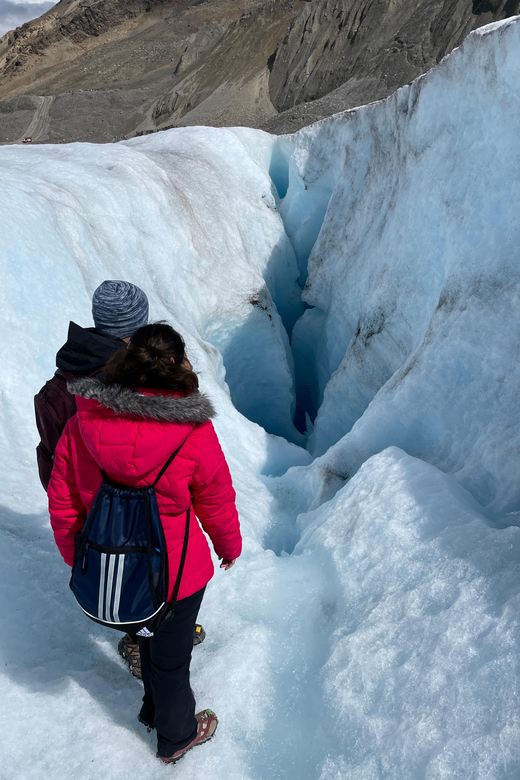
This activity is led by an ACMG-certified guide, and that certification matters for more than paperwork. You’re on ice in a mountain environment where conditions can change quickly, and crevasses are not something you want to guess about.
What I like about the guide style here is that it’s both fun and practical. You’ll hear clear glacier science in everyday language, and you’ll also get real safety coaching—like how to move on icy sections without panicking.
In the guide lineup, names like Pete, Troy, Stu, Corin, Ann, and Larry show up in descriptions of the experience, and they’re consistently credited with:
- Keeping the mood upbeat while teaching
- Paying attention to where people need extra help
- Caring for the group’s comfort and safety
Even if you’re comfortable on hikes, the guide can help you avoid common slip-ups: taking steps too long, stopping suddenly on uneven ice, or rushing when you should slow down and let traction do the work.
Gear: What IceWalks Gives You vs. What You Need to Bring
One of the best value parts of this tour is that you’re not left scrambling for glacier gear. Included items cover the stuff that makes walking on ice more comfortable and safer.
Included with the tour:
- Micro-spikes (crampons for traction on ice)
- Rain gear
- Hiking poles
- Hiking boots
- Gloves and hats (if you don’t have your own)
- Transport from the meeting location to the trailhead
- Live guide (English)
Not included (so don’t assume):
- Warm layers like sweaters and pants
- Transportation to the meeting location
What to bring:
- Snacks
- Thermal clothing
My practical advice: wear thermal base layers and plan to add insulation on top. Even if it looks mild on the road, glacier surfaces can feel colder and windier once you’re out there. Also, bring snacks because you’ll burn energy walking up and down icy terrain, and it’s helpful to have something in your bag once you’re back at the meeting point.
Moderate Difficulty, Real Altitude, and Who Should Pass
This is listed as moderate, and it’s designed for hikers who can handle a solid walk. It can also work for young people and older adults who are active, but there are some clear limits.
Fit and age guidance from the tour info:
- Suitable for young children ages 7–16 who enjoy hiking
- Suitable for active seniors
- Not suitable for children under 7
- Not suitable for people with mobility impairments, wheelchair users, or people with heart problems
- Not suitable for people with pre-existing medical conditions (as stated)
- People with low fitness should skip it
- People over 75 are not recommended
- If you’re dealing with a cold, the tour is listed as not suitable
Altitude detail: the tour operates around 2000m, and some guests experience shortness of breath. That doesn’t mean you’ll feel bad—but you should treat it as a real factor. If you’re prone to getting winded with stairs or hills closer to sea level, I’d take that seriously and talk to your doctor if you’re unsure.
A smart middle ground: if you want the glacier experience but you’re on the edge physically, go earlier in the day when you feel freshest, and keep your pace calm. The guide can help with pacing and footing.
Price: Why $96 Can Feel Fair for a Small, High-Impact Experience
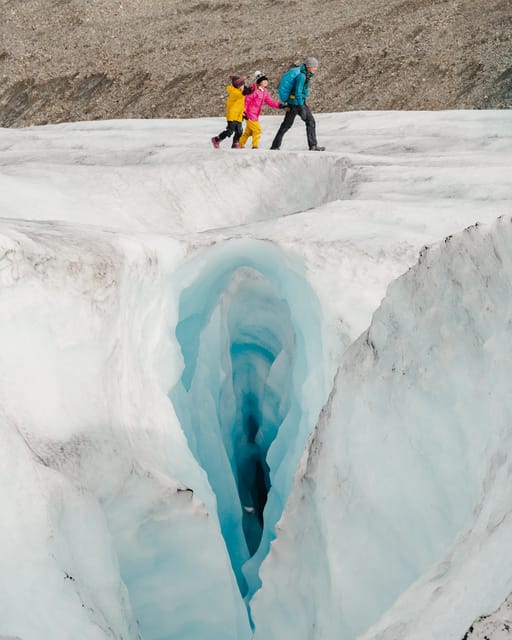
At $96 per person for about 3 hours, this isn’t a cheap activity. But you’re paying for things that bus-style glacier stops can’t provide:
- You’re on the Athabasca Glacier itself
- You get traction gear and a full setup of cold-weather items like rain gear, boots, gloves, and poles
- You’re guided by an ACMG-certified professional who manages safe movement and teaches you what you’re seeing
In other words, the cost isn’t only for “being near ice.” It’s for turning access into a safe, educational walk. When the weather is good, you get iconic views of the Rockies’ highest peaks (as described), and when conditions are less perfect, the included gear helps you stay comfortable enough to enjoy the hike rather than just endure it.
If your alternative is a big bus stop where you never step on the ice, this tends to feel like the better value—because the experience is actually different, not just upgraded by a nicer van ride.
Best Day for This Hike: Weather and Comfort That Actually Matter
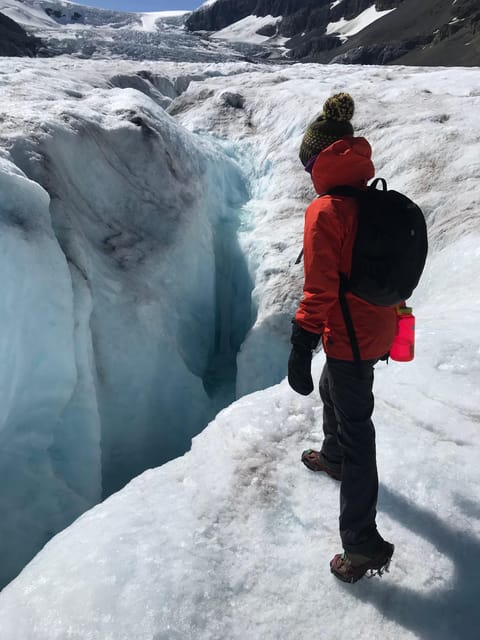
Glacier weather is its own character. The tour includes rain gear, which is a big deal in a place where precipitation can show up without warning.
To stay comfortable:
- Wear thermal clothing
- Bring snacks
- Add warm layers you control (since warm layers aren’t included)
- Expect traction work: micro-spikes help, but you’ll still feel the icy texture underfoot
If it’s cold, windy, or damp, having rain gear and proper gloves from the start makes the difference between a great hike and a miserable one.
Who This Glacier Hike Fits Best (and Who It Doesn’t)
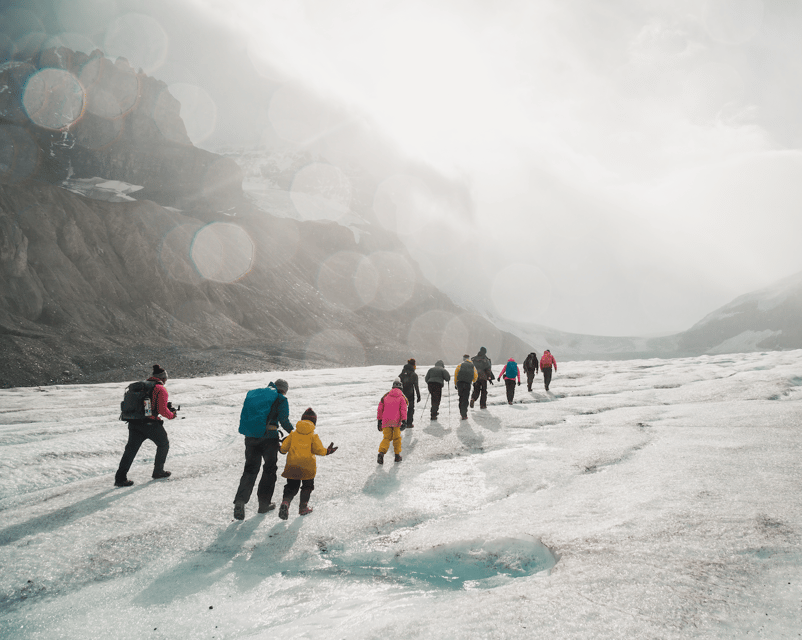
This is a strong choice if you want:
- An on-ice walk, not a quick stop
- A guided education tied to what you’re seeing
- Moderate hiking that doesn’t require technical climbing
- A group experience where safety and pacing are part of the fun
It may not be the right match if you:
- Need wheelchair access or have serious mobility limits
- Have heart problems or relevant medical risks
- Are dealing with a current cold
- Struggle with altitude-related shortness of breath
- Prefer super-light walking without traction gear
If you’re traveling with teens who love active days, this often lands well. If you’re traveling with older adults, it can also fit—assuming fitness and altitude tolerance are there.
Should You Book the Columbia Icefield Guided Glacier Hike?
Book it if you want the real glacier experience: walking onto the Athabasca Glacier, seeing features like crevasses and meltwater action, and getting a guide to explain the how and why—not just the where.
Skip it if altitude or fitness is a concern, or if you fall into any of the stated “not suitable” categories. Glacier hikes are honest tests of your body, even when the route is moderate.
Quick checklist before you commit
- You can walk 5 km roundtrip with about 200m gain
- You’re comfortable using micro-spikes and hiking poles
- You’ll bring thermal clothing and extra warm layers
- Your health situation fits the tour’s limitations
If that looks like you, this is one of those trips where the memories stick, because you’re not just watching a glacier—you’re standing on it.
FAQ
How long is the Columbia Icefield guided glacier hike?
The tour lasts about 3 hours.
What’s the walking distance and elevation gain?
It includes a 5 km roundtrip walk with about 200m of elevation gain.
Is the hike difficult?
It’s rated moderate difficulty. It’s not described as requiring technical climbing skills.
What equipment is included?
The tour includes a guide, micro-spikes, rain gear, hiking poles, hiking boots, gloves, and hats if you do not have your own.
What should I bring from home?
Bring snacks and thermal clothing. Warm layers like sweaters and pants are not included.
Where do I meet the tour?
Meet at the Icefield Information Centre and Glacier Gallery parking lot area off HWY 93. Look for a black trailer and white vans with the IceWalks logo at the T-junction between overflow RV parking and visitor parking.
Do I need my own crampons or boots?
No. Micro-spikes and hiking boots are included.
What language is the tour guide speaking?
The tour is offered in English.
Is it safe for kids and older adults?
The tour is described as suitable for ages 7–16 who enjoy hiking and active seniors. It is not suitable for children under 7 and not recommended for people over 75.
Is there an altitude concern?
The tour operates around 2000m. Some guests experience shortness of breath due to the elevation.
If you tell me your hiking comfort level (flat walks vs steep hills, and any altitude concerns), I can help you sanity-check whether this one matches your pace.
More Tour Reviews in Banff National Park
Still scrolling? A few other Banff National Park adventures worth a spot on the itinerary
Icefields Parkway & Columbia Icefield, compared.
 ★ 4.6Jasper: Columbia Icefield Skywalk and Ice Explorer TicketFrom $962,444 reviews
 ★ 4.5Columbia Icefield Tour with Glacier SkywalkFrom $991,860 reviews
 ★ 4.3Jasper: Columbia Icefield SkywalkFrom $37916 reviews
 ★ 5.0Lake Louise, Moraine Lake and the Icefields Parkway Full-Day TourFrom $165836 reviews
 ★ 5.0Columbia Icefield Tour with Glacier Skywalk from BanffFrom $302649 reviews
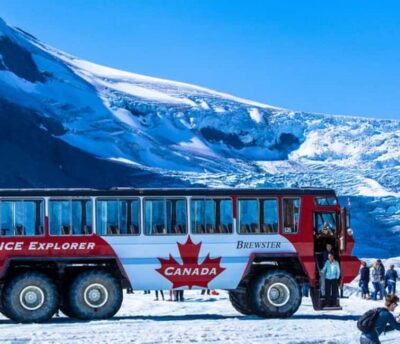 ★ 4.8Columbia Icefield, Skywalk, Crowfoot Glacier, and Lakes TourFrom $50475 reviews
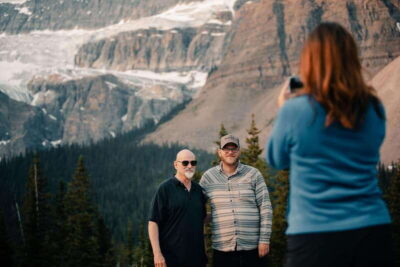 ★ 4.8From Banff: Athabasca Glacier and Columbia Icefield Day TripFrom $276408 reviews
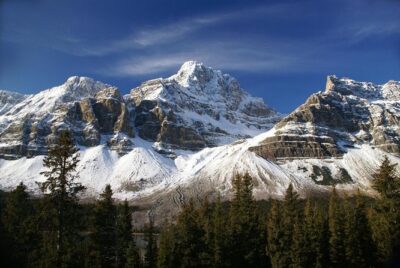 ★ 5.0Athabasca Glacier Snow Trip from BanffFrom $291394 reviews
Browse the lists this tour appears in