
Reviewed · CANMORE TOURS & DAY TRIPS
Canmore Cowboys and Coal Miners History Tour – 2H Walk
Cowboys and coal miners walk right through Canmore. This 1.5-hour history stroll turns local streets, bridges, and old mine-area into a working story of how the Bow Valley was built, guided at a pace you can handle, like Jacob.
I love the mix of town details and fresh outdoor time, especially Bow River walking, plus the real chance to spot wildlife. I also love how the guide anchors the story with specific landmarks, including the Miner’s Union Hall and the historic Canmore Hotel, with timeline details like an 1883 railroad-tie moment that makes the past feel concrete.
One thing to think about: this is history-first, so if you crave long, quiet stretches of scenery, the guide’s storytelling may feel like more talking than you want.
In This Review
- Key tour highlights worth planning around
- Cowboys and Coal Miners in Canmore: A quick walk with a real point
- Meeting at the Canmore Recreation Centre and what to expect on the move
- Bow River trails, old bridges, and the kind of wildlife spotting that feels earned
- The historic downtown stops you’ll understand, not just pass by
- Geology, Indigenous roots, and settler life: the story behind the scenery
- The coal mines point: what you can see vs. what you can’t tour
- Price and value: what $48.71 buys you in real time
- Pace, comfort, and what to wear for a 90-minute walking tour
- Who should book this walk, and who should pick the nature option
- Should you book Canmore Cowboys and Coal Miners?
- FAQ
- How long is the Cowboys and Coal Miners History Walk?
- Where does the tour start?
- What does the tour focus on?
- Is it a private tour?
- What language is the tour offered in?
- Are service animals allowed?
- What if the weather is poor?
- Is there a place you can visit inside the old coal mines?
Key tour highlights worth planning around
- Cowboys vs. coal miners story focused on the people who shaped Canmore
- Small private-group feel with a maximum of 12 people
- Bow River trail time plus old bridges and downtown walking
- Landmarks with context like the Canmore Hotel and Miner’s Union Hall
- Rocky Mountain views and wildlife spotting built into the route
More Canmore walks and day trips we like just down valley from Canmore
- Canmore Caving Adventure Tour★ 5.0 · 356 reviews
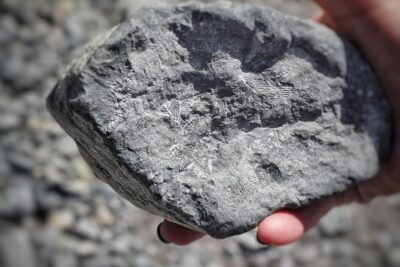
- Canmore Caving Explorer Tour★ 5.0 · 277 reviews
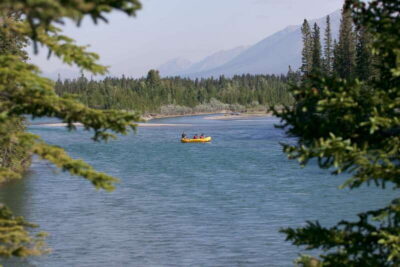
- Canmore: Bow River Scenic Float Tour★ 4.9 · 257 reviews
- Moraine Lake & Louise – Morning or Sunset Tour from Banff/Canmore★ 5.0 · 194 reviews
Cowboys and Coal Miners in Canmore: A quick walk with a real point
Canmore’s story isn’t just about scenic mountain life. It’s about work—hard work—that pulled people into the Bow Valley and shaped the town you see today. This Canmore Cowboys and Coal Miners History Tour is designed to give you that human thread fast, in about 90 minutes.
You’ll walk through the town with a guide who ties together the cowboy era and the coal-mining era. That matters because it helps you understand why Canmore grew the way it did, and why certain buildings and routes keep showing up in the story.
Guides vary in style, but the common theme is clear: you get pace control. People highlight guides who pay attention, keep things friendly, and adjust to the group. In particular, guides like Jacob have a reputation for being attentive and keeping the walk comfortable rather than rushing you through facts.
Meeting at the Canmore Recreation Centre and what to expect on the move
Your tour starts at Canmore Recreation Centre, 1900 8 Ave, Canmore. From there, the walk stays in familiar town-and-trails territory: it’s not a remote hike day. You’ll end back at the meeting point too, which keeps the day simple.
Because the tour is offered in English, you should expect the storytelling and pacing to work well for people who want history explained out loud, not just marked on signs. It’s also a good size for conversation. The tour limits groups to 12, and it’s described as private for your party, so you’re not swallowed by a huge crowd.
Practical note: the experience is weather-dependent. On days when the weather turns, plans can change (you’ll be offered a different date or a refund if it’s canceled for poor conditions). In calmer weather, come prepared for short walking in open air—layers beat one heavy jacket.
If you need service animals, the tour allows them, and it’s listed as suitable for most travelers. If you’re deciding between this and a longer hike, this one is a focused walking window, not an all-day exertion.
Bow River trails, old bridges, and the kind of wildlife spotting that feels earned
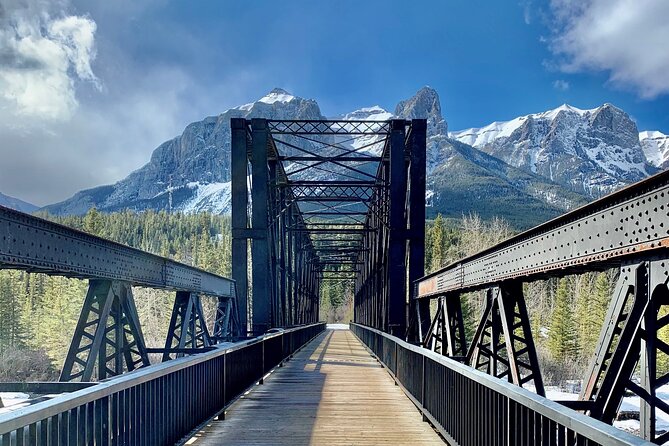
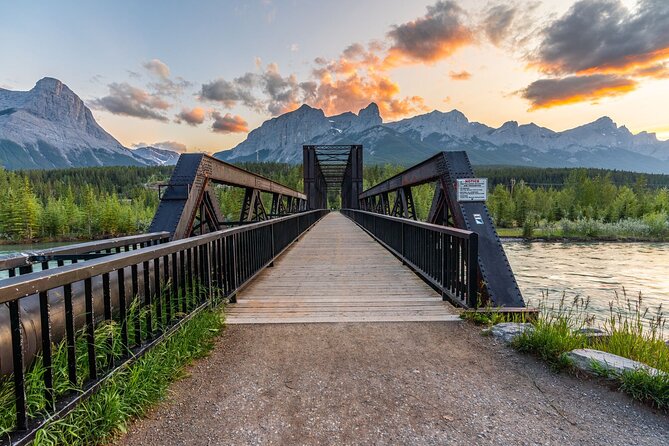
A big part of the appeal is that you’re not stuck looking at history through a single doorway. The route includes Bow River walking time, plus connections along old bridge points and trail sections before you move into the historic downtown area.
This is the part where the tour does something smart: it uses the scenery as evidence. When your guide points out how the river and surrounding ground mattered to the people who worked here, the view stops being just a pretty photo and turns into a clue about survival, transport, and settlement.
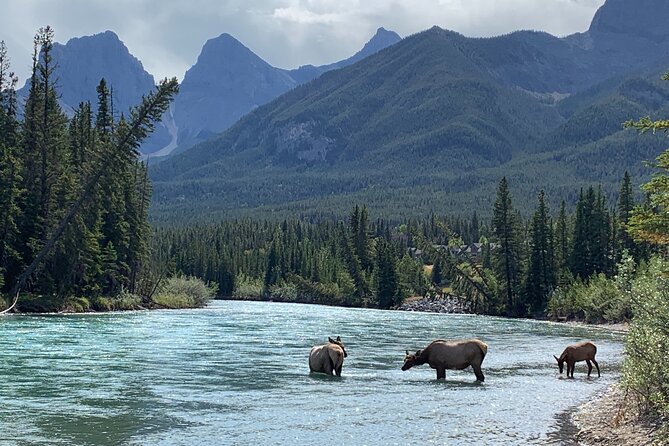
On the wildlife side, the tour is set up with spotting in mind. I like that it’s not a promise of seeing something specific. Instead, the walk is scheduled so you’re looking around at the right times and angles. Even if you get skunked on wildlife, you still get frequent Rocky Mountain views and a change of pace between town and trails.
One pacing consideration: this walk balances “moving” with “listening.” If you’re the type who likes silence for long stretches, you may feel the guide is talking continuously. That’s not a flaw in the concept—it’s the product. If you want more quiet nature viewing, there’s a separate 2-hour nature walk option offered by the same company.
The historic downtown stops you’ll understand, not just pass by
The best tours don’t just show places—they explain why those places mattered. In Canmore, two stops anchor the story early and keep it grounded:
- Historic Canmore Hotel: You’ll learn how buildings weren’t just pretty facades. They were part of the social and economic life of the town. The guide’s goal is to show the hotel as a piece of the working community, not just an old structure.
- Miner’s Union Hall: This is the kind of site that instantly makes the mining era feel real. The guide connects the hall to the people organizing, working, and living through the pressures of coal development.
And then there are the smaller timeline details that make a tour feel worth the money. One example mentioned is an 1883 railroad-tie detail. These specific facts are easy to miss on your own, but once they’re pointed out, you start seeing how infrastructure and labor shaped Canmore’s growth.
If you’re hoping for a tour that feels “like walking with a local,” this is where it lands. The guide doesn’t only repeat dates. They also connect the dots between daily life and broader forces.
Wander on with more Banff town walks and ghost tours in Canmore
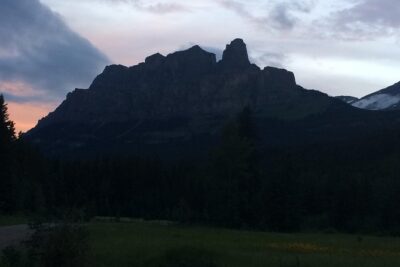



Geology, Indigenous roots, and settler life: the story behind the scenery
One reason this tour works for a wide range of people is that it doesn’t limit itself to one category of history. The talk can include:
- Geology of the area (so you understand why the land looks like it does)
- Ancient history of Indigenous peoples in the region (as context for who was here long before town life)
- Stories about settlers in Canmore, including prominent local figures
- Economic and political forces that shaped the region—and continue to shape it
That range is useful. If you only learn cowboy or only learn coal-mining, you miss the bigger picture: people arrived because of the land, kept coming because of work and opportunity, and then shaped the town through decisions and conflict as much as through optimism.
Also, good guides know how to vary their tone. Even when the topic is serious, the delivery stays friendly and practical. People have praised guides for being easygoing while still packing in lots of accurate context.
If you’re traveling with kids or anyone who gets restless, this is where the “at your pace” approach matters. A guide who slows down when you need it can turn a history tour from a lecture into a walk your whole group can enjoy.
The coal mines point: what you can see vs. what you can’t tour
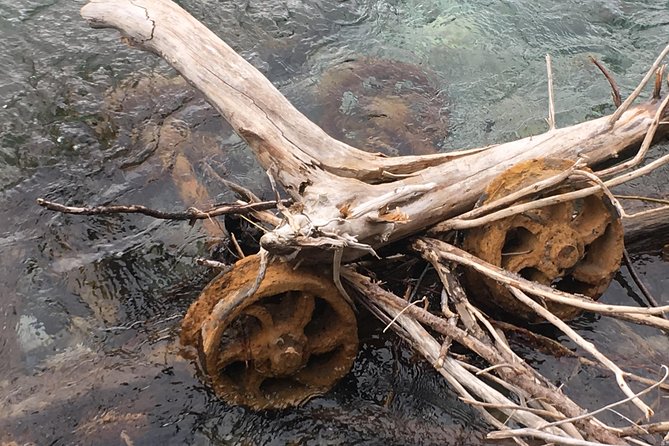
Here’s the one part that you should mentally prep for before you go: coal mines aren’t open for casual touring in this area. The old coal mine sections are cemented closed due to methane gas leaks, and they aren’t set up for tours.
So don’t show up expecting to wander into a mine shaft or peek through open structures. Instead, the value is in learning what those closures mean and how coal shaped the town’s economy and hazards. You’ll still get an “on-the-ground” understanding as you move past the area and hear how mining worked and why it left a lasting mark.
If seeing the mine itself is the only reason you booked, you might feel slightly disappointed. But if you’re after the story behind Canmore’s development—how people lived, worked, organized, and dealt with danger—this part makes sense.
Price and value: what $48.71 buys you in real time
At $48.71 per person for roughly 1.5 hours, this isn’t a budget free-for-all. You’re paying for a guided walk with specific historical interpretation and a group size capped at 12.
What justifies the cost is not just that it’s “guided.” It’s that the guide brings details you’d have trouble assembling on your own quickly—like the downtown landmarks used as story anchors, timeline specifics (including the 1883 railroad-tie detail), and the way the talk connects geology, Indigenous context, settler life, and mining labor.
It’s also a better value if you want a structured introduction to Canmore. You’ll cover multiple areas—river trail sections, bridge points, downtown stops—in a short window, which is handy when you have limited time in town.
One more value signal: this tour is often booked in advance (on average 55 days). That’s a hint that good guides and tight group limits can fill up. If you’re traveling in peak weeks, book earlier rather than later.
Pace, comfort, and what to wear for a 90-minute walking tour
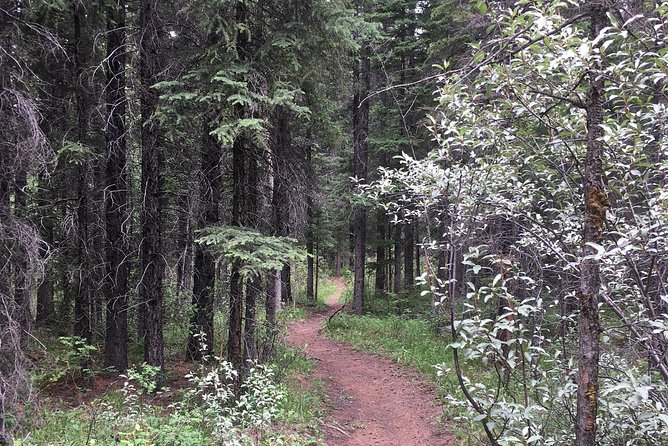
This is a walking tour, so your comfort matters. The route includes trails and downtown sidewalks. You’ll likely want:
- layers (early fall can mean cold mornings and mild afternoons)
- a jacket even on sunny days (one early October outing still called for a jacket)
The good part: it’s not a long-distance hike. It’s about 1 hour 30 minutes, and the guide can adapt to the group’s pace. People specifically praise attentive guides who keep things comfortable for families and mixed groups.
And yes, you’ll enjoy it more if you let the “walk + listen” rhythm work for you. If you constantly feel like you’re waiting for quiet, this may not be your best match.
Who should book this walk, and who should pick the nature option
This tour is a great fit if you want:
- a clear introduction to why Canmore looks and feels the way it does
- history that connects cowboy life and coal mining to real places you can stand in front of
- a guide who explains with context, not just facts
It’s also a good option for mixed ages because the walking time is short and the tour is set up to keep conversations moving.
It may be less ideal if you’re chasing a slow, quiet scenery day. If you want more time focused on views, wildlife watching, and less talking, choose the company’s 2-hour Nature Walk instead.
Should you book Canmore Cowboys and Coal Miners?
I think you should book this tour if your trip includes only a short stop in Canmore and you want to understand the town fast. The price makes sense when you factor in the small group size, the guided pacing, and the fact that you get multiple meaningful stops rather than a single-photo landmark tour.
Skip it if your main goal is quiet nature time, or if you’re only interested in entering actual mine structures. Those old mines are closed for safety reasons, so you’ll learn through the story and surroundings rather than tour underground.
If you book, go in with a simple mindset: bring curiosity about people and work. The walk is short, but it gives you a way to read Canmore’s buildings and trail corners like a living timeline.
FAQ
How long is the Cowboys and Coal Miners History Walk?
It runs for about 1 hour 30 minutes.
Where does the tour start?
The meeting point is Canmore Recreation Centre, 1900 8 Ave, Canmore, AB T1W 1Y2.
What does the tour focus on?
The tour focuses on the people who shaped Canmore, especially cowboys and coal miners, and you’ll see key landmarks tied to that story.
Is it a private tour?
It’s listed as a private tour exclusively for your party, with a maximum of 12 travelers.
What language is the tour offered in?
The tour is offered in English.
Are service animals allowed?
Yes, service animals are allowed.
What if the weather is poor?
This experience requires good weather. If it’s canceled due to poor weather, you’ll be offered a different date or a full refund.
Is there a place you can visit inside the old coal mines?
The tour information indicates the old coal mines are cemented closed due to methane gas leaks, and they are not set up for touring. You’ll learn about them through the history walk instead.
More Town Walks & Ghost Tours in Canmore




More Canmore Walks & Day Trips near Canmore




More Tour Reviews in Canmore
Still scrolling? A few other Canmore adventures worth a spot on the itinerary





Canmore Tours & Day Trips, compared.
 ★ 4.9Banff/Canmore: Moraine Lake 1.5h & Lake Louise Half-Day TourFrom $45619 reviews
 ★ 5.0Canmore Caving Adventure TourFrom $149356 reviews
 ★ 4.9Banff/Canmore: Moraine Lake w/ Lake Louise OptionFrom $87292 reviews
 ★ 5.0Canmore Caving Explorer TourFrom $111277 reviews
 ★ 4.9Canmore: Bow River Scenic Float TourFrom $43257 reviews
 ★ 5.0Moraine Lake & Louise – Morning or Sunset Tour from Banff/CanmoreFrom $111194 reviews
 ★ 5.0Moraine Lake Sunrise(2.5hrs)&Lake Louise(2hrs) from Canmore/BanffFrom $138168 reviews
 ★ 4.9From Canmore/Banff: Moraine Lake Sunrise & Lake Louise TourFrom $142163 reviews
Browse the lists this tour appears in