
Reviewed · JASPER & MALIGNE LAKE TOURS
Abraham Ice Bubble/Sunwapta Falls,Snowshoeing,Icefield, Bow&Peyto
One frozen lake can steal your whole day. This is a long, well-paced Banff region loop that hits the Abraham Lake ice bubbles (seasonal) and stacks classic Rockies stops along the Icefields Parkway. You also get short, photo-focused breaks at places like Bow Lake and Peyto Lake, plus winter gear when conditions turn icy.
What I love most is how the day balances big scenery with real time at the stops, not just drive-bys. Guides like Lam, Kenneth, and Ray (names you may hear) are praised for staying on schedule, giving helpful context, and even pointing out where to stand for photos. The main drawback is the total time: plan for an 11–12 hour day with no lunch stop, and expect weather-driven changes (especially in winter).
In This Review
- Key things to know before you go
- Why this day trip feels bigger than it is
- Banff first: Cascade, Vermilion, and Castle Mountain views
- The Icefields Parkway drive: your moving viewpoint
- Bow Lake and Peyto Lake: turquoise color, short stops, big payoff
- Winter highlight: Abraham Lake ice bubbles (and when they happen)
- If Abraham Lake isn’t running: Weeping Wall and other winter swaps
- Athabasca Glacier: the Icefields Icefield in miniature
- Sunwapta Falls and Athabasca Falls: water power, no long waits
- Gear, timing, and comfort on an 11–12 hour day
- Price and value: is $68.34 worth it?
- Who this tour suits best (and who should consider other options)
- Should you book this Abraham Lake bubbles and Icefields day?
- FAQ
- What time does the tour start?
- How long is the tour?
- How much does the tour cost?
- Are tickets for the main lakes and glacier included?
- Is there a lunch stop during the day?
- Does the tour provide winter gear?
- Are hot drinks included?
- When can you see Abraham Lake ice bubbles?
- What is the winter alternative if Abraham Lake isn’t available?
- Is the Columbia Icefield Adventure included?
- Do you have a group size limit?
Key things to know before you go
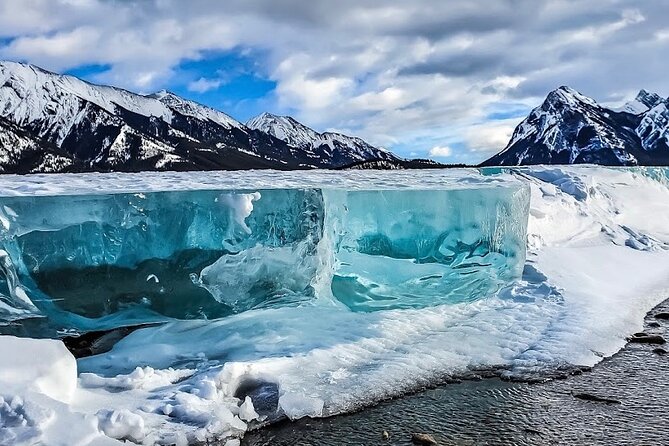
- Abraham Lake ice bubbles run mid-December to early March, usually best mid-January to early February
- Bow Lake and Peyto Lake include admission, with brief but worthwhile time at each viewpoint
- Crampons and winter hot drinks are included in the colder months, because some walking is on slick ice
- Icefields Parkway scenery is the point, with multiple iconic pull-offs like Crowfoot Glacier and the turquoise lakes
- Sunwapta Falls and Athabasca Falls are power stops, short stays, big waterfalls
- Bring your own lunch, since the schedule does not include a meal stop
Keep heading north for more Icefields Parkway and Columbia Icefield trips around Banff
- Columbia Icefield Tour with Glacier Skywalk★ 4.5 · 1,860 reviews
- Lake Louise, Moraine Lake and the Icefields Parkway Full-Day Tour★ 5.0 · 836 reviews
- Columbia Icefield Tour with Glacier Skywalk from Banff★ 5.0 · 649 reviews
- From Banff: Athabasca Glacier and Columbia Icefield Day Trip★ 4.8 · 408 reviews
Why this day trip feels bigger than it is
This tour is priced like a budget-friendly day, but it sells like a full-on Rockies mission. For about $68.34 per person, you’re paying for transportation, guided timing, and ticketed scenic stops that would be harder to stitch together solo in one day.
You start early at 7:00 am. By the time you’re back, you’ve basically done a greatest-hits loop: Banff-area mountains, the Icefields Parkway highlights, glacier country, and waterfall finales. The vehicle is air-conditioned, and you get bottled water plus hot drinks in winter, which matters more than it sounds once the cold hits.
The pace is the real selling point. Stops are short, but they’re intentional. You’re not stuck in long museum-style time blocks; you’re getting just enough time to walk a bit, find the right angle, and move on.
Banff first: Cascade, Vermilion, and Castle Mountain views
The day begins with a quick intro to Banff’s big backdrop: you’ll pass Cascade Mountain near the Bow Valley. It’s one of the most recognizable “postcard” shapes in the area, and it’s a classic warm-up before you head deeper into glacier territory.
Next up is Vermilion Lakes, made up of three lakes with sharp mirror potential against Mount Rundle rising above Banff. This stop is less about trekking and more about lighting and calm water, so what you’ll notice is the sky reflections and the way the mountains show up cleanly from the shore.
Then comes Castle Mountain, known for its castle-like appearance due to erosion. Even with brief photo time, it gives you that sense of scale you need before you start seeing true glacial features later.
If you’re someone who gets impatient with long scenic pull-offs, you’ll like this start. Each stop is built to be quick and satisfying rather than drawn out.
The Icefields Parkway drive: your moving viewpoint
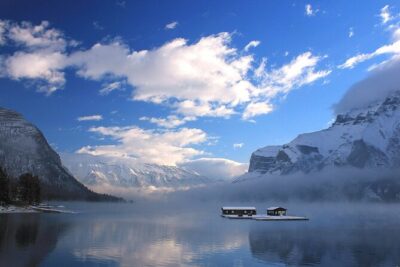
The heart of the day is the Icefields Parkway (Hwy 93 North), one of the most scenic drives in the world. Between Banff and Jasper, you’re traveling through protected habitats, and the payoff is that you’re constantly getting new angles without needing to do extra driving.
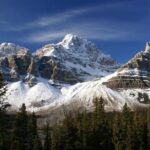
You’ll also get one of the park’s most famous glacier-adjacent sights: the Crowfoot Glacier sits above Bow Lake. Even when your time at each stop is short, the Icefields Parkway itself acts like a gallery with frequent perspective changes.
Here’s the practical part: winter road conditions can change timing. The tour notes that the itinerary may vary depending on weather, and you’ll be informed in advance about adjustments. So the best strategy is to stay flexible and focus on what you can see clearly, not what the day originally promised.
Bow Lake and Peyto Lake: turquoise color, short stops, big payoff
Two of the most photogenic glacier-fed lakes on earth show up back-to-back here: Bow Lake and Peyto Lake.
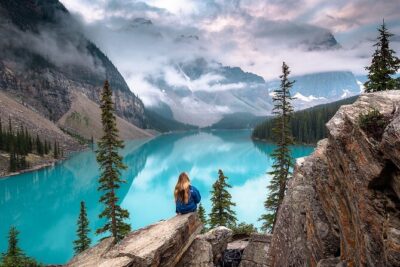
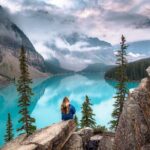
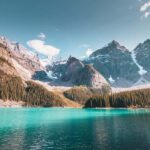
Bow Lake is glacier-fed and known for its turquoise color, which comes from glacial till. You’ll have about 15 minutes and admission is included. That short time is plenty to walk to a viewpoint, take a few photos, and enjoy the color shift as the light changes across the water.
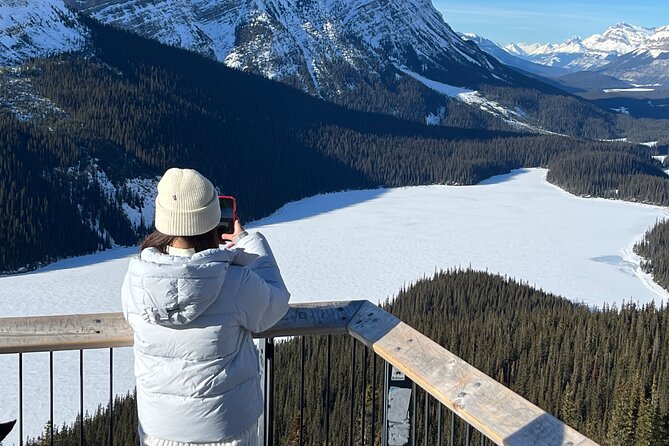
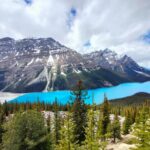
Then you’ll move to Peyto Lake, often called one of Banff National Park’s most popular lakes for a reason. You’ll get around 30 minutes, and admission is included again. The intense blue comes from glacial rock flour from the Peyto Glacier, which is the kind of detail a guide can explain in plain language while you’re standing there looking at it.
One note for expectations: these are famous stops, so your photos depend on timing and where everyone gathers. The guide’s job here is to help you hit the better angles without wasting time.
More wolf-head views at Peyto and Bow Lake we have logged near Banff
Winter highlight: Abraham Lake ice bubbles (and when they happen)
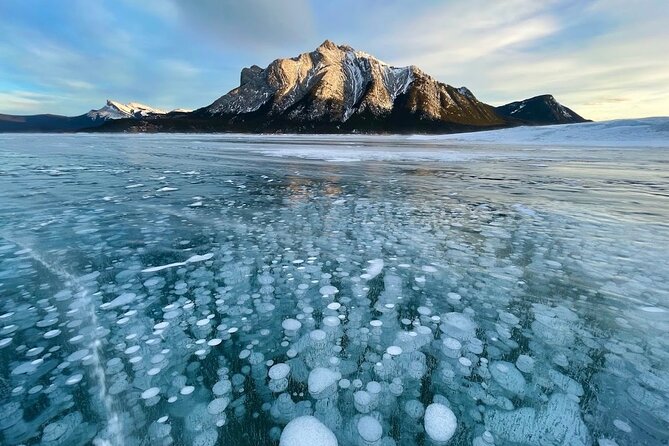
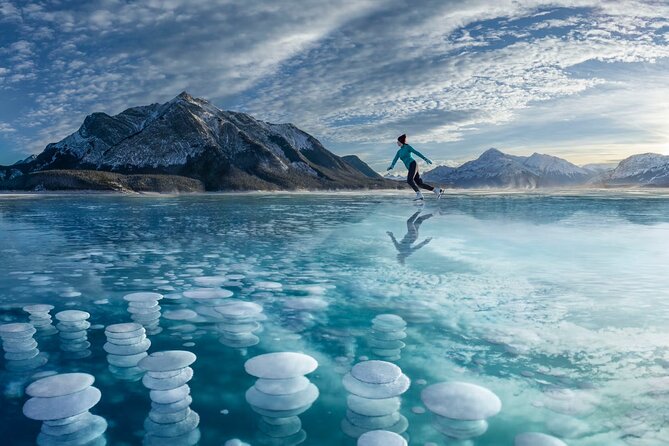
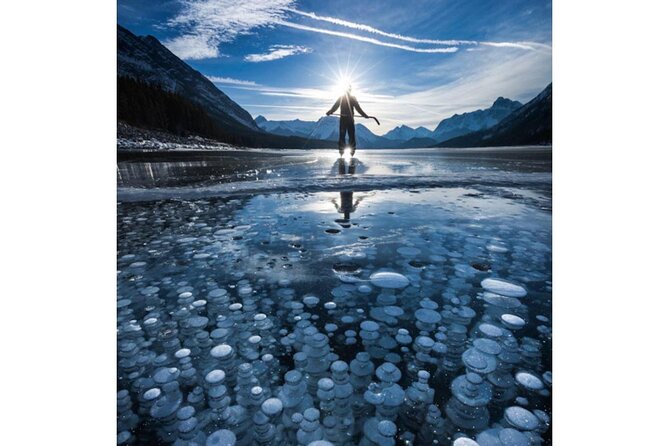
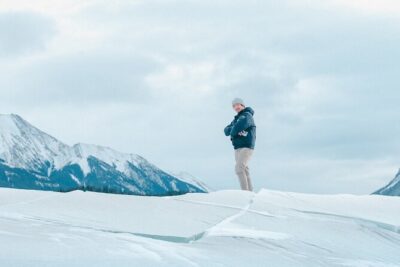
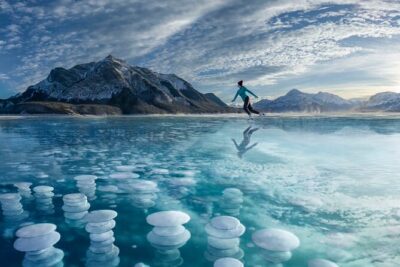
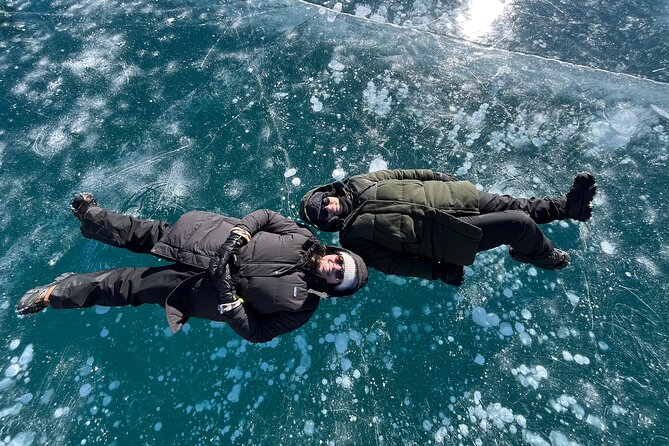
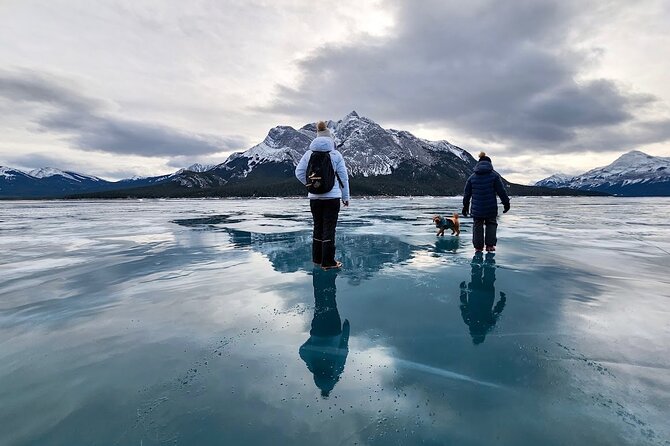
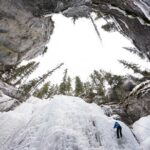
In winter, this is the main event. Abraham Lake is special because its turquoise surface freezes over, and under the ice you can see thousands of white bubbles. The tour runs this segment from mid-December to early March, subject to weather conditions, with the best odds often mid-January to early February.
This stop gives you about 1 hour, and admission is free. That extra hour matters, because conditions can be inconsistent. If the day is clear and the ice is cooperating, this is the kind of sight that makes the whole trip feel worth it in one moment.
Also: bubbles are a visual effect that can vary. If you’re chasing the perfect photo, bring patience and plan for a bit of shifting angles.
If Abraham Lake isn’t running: Weeping Wall and other winter swaps
Not every winter day plays nicely. When Abraham Lake isn’t the option, the tour lists alternatives such as the Weeping Wall at Cirrus Mountain, a dramatic waterfall feature over 100 meters high (about 330 feet). The tour describes a standout flow called the Teardrop, and that’s the kind of stop that still delivers a “wow” feeling even if the ice-bubble conditions aren’t ideal.
This matters because it protects your day. You still get a winter-natural spectacle, just not the bubbles you planned for.
Athabasca Glacier: the Icefields Icefield in miniature
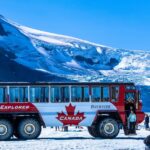
Next you’ll head to the Athabasca Glacier, part of the larger Columbia Icefield area. The tour notes that it’s shrinking over time and that it’s a climate-change indicator, which gives the stop more meaning than just photos.
You get about 30 minutes, and admission is included. In winter, you’ll usually need crampons for safety on icy surfaces (they’re included). The tour also notes that walking on the glacier is part of the experience description—so think sturdy winter footwear and time to move carefully.
Important value distinction: the tour includes glacier access on this stop, but the Columbia Icefield Adventure is not included. If you want a longer or more activity-style glacier program, you’d need to book that separately.
And yes, visibility can be rough in winter. One review notes that snow can limit glacier views. The upside is that the drive and nearby stops still offer a lot, and guides often adjust on the fly.
Sunwapta Falls and Athabasca Falls: water power, no long waits
After the glacier area, the tour shifts to waterfalls, and it does so smartly: short time at each, enough to hear the roar and see the drop, then on to the next.
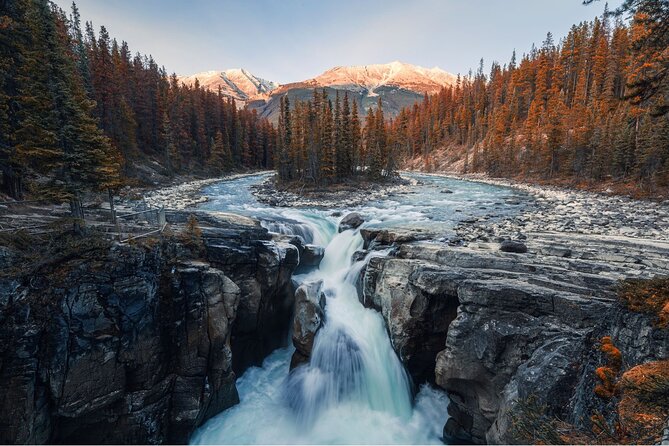
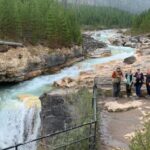
Sunwapta Falls is about a 60-foot (18 meter) drop. Admission is free on this stop, and you’ll have about 15 minutes. The description points out that the falls are especially impressive in late spring and early summer from snowmelt, but even in winter the key is the volume and the constant sound.
Next is Athabasca Falls, located about 30 kilometers south of Jasper. You’ll have around 45 minutes, with admission included. This one is less about sheer height and more about the sheer amount of water going over the falls and crashing into the river below.
If you’re tired, waterfall stops help. They’re short, loud, and you don’t need to walk far to appreciate the drama. It’s also a good mental reset between glacier ice and your return drive.
Gear, timing, and comfort on an 11–12 hour day
This is not a “sleep in and casually stroll” outing. Total duration is 11–12 hours (approx.), with travel time included. The tour also explicitly says there’s no lunch stop, so you’ll want to bring something you can eat quickly without stress.
Good news: winter comfort is supported. The tour includes bottled water, and hot drinks in winter. You also get air-conditioned vehicle comfort for the long stretches between stops.
Winter safety comes via included crampons. You should still bring sensible winter layers and footwear, because walking surfaces can be icy and uneven depending on what the weather allows.
Group size is capped at maximum 24 travelers. That keeps the day feeling manageable. You’re not stuck in a massive crowd that makes it hard to reach viewpoints.
Finally, expect bathroom breaks along the way. In the feedback, guides are praised for frequent breaks, which is a big deal on long winter days.
Price and value: is $68.34 worth it?
At $68.34 per person, this tour is a value play if your goal is to see multiple Rockies icons in one shot. You’re paying for the hard part—transportation, timing, and access to scenic stops—while skipping the effort of planning your own driving route across the Icefields Parkway.
What makes the value stronger is that several stops include admission tickets (Bow Lake, Peyto Lake, Athabasca Glacier, Athabasca Falls), and the Abraham Lake segment is free when it’s running. On top of that, you get bottled water, hot drinks in winter, and a multilingual guide.
The main thing you’re not getting is the meal. Since there’s no lunch stop, your true cost depends on what you pack. Tips are also not included (CAD 15 per person for gratuity is mentioned), so budget a little extra if you want to recognize great guiding.
Also factor in weather risk. In winter, roads and visibility can change what you see—especially around glaciers. This tour still offers multiple wow stops, but if you’re extremely glacier-focused, be flexible.
Who this tour suits best (and who should consider other options)
This works well for:
- First-timers in Banff who want the headline sights without doing a complicated self-drive
- People who like short, guided viewpoint time rather than long hikes
- Travelers who are comfortable on a long day and want winter gear handled for them
It may not be ideal if:
- You need lots of time to roam or hike on your own
- You get frustrated with winter reroutes or reduced visibility
- You hate bus days that run close to 12 hours
If you’re traveling solo, this is still a good bet because the group size stays under 24 and the guide support is part of what people praise. If you’re traveling as a couple, the photo help matters too.
And if you care about storytelling, guides like Lam, Kenneth, and Ray are repeatedly praised for sharing history and fun facts at the stops, not just reading facts off a card.
Should you book this Abraham Lake bubbles and Icefields day?
I’d book it if you want a single winter day that checks off Abraham Lake ice bubbles, glacier country on the Icefields Parkway, and major Banff-to-Jasper scenery without you doing the driving math.
I wouldn’t book it if you only want one or two specific places and hate the idea of weather influencing what’s visible. It’s a full circuit. You have to be in the mindset of seeing what the day offers and enjoying the ride between stops.
If you go, pack a lunch, dress warm, and trust the guide’s photo timing. On a good day, this is the kind of Rockies trip that turns into your best winter memory.
FAQ
What time does the tour start?
The tour start time is 7:00 am.
How long is the tour?
The duration is about 11 to 12 hours, with travel time included.
How much does the tour cost?
The price is $68.34 per person.
Are tickets for the main lakes and glacier included?
Admission tickets are included for stops such as Bow Lake, Peyto Lake, and Athabasca Glacier, and Athabasca Falls. Abraham Lake admission is listed as free in winter.
Is there a lunch stop during the day?
No. You’re asked to prepare lunch, and there is no lunch stop listed.
Does the tour provide winter gear?
Yes. In winter, the tour includes crampons.
Are hot drinks included?
Yes. Hot drinks are included in winter.
When can you see Abraham Lake ice bubbles?
Abraham Lake bubbles are listed as available only in winter, from mid-December to early March, depending on weather. The ideal viewing window is often mid-January to early February.
What is the winter alternative if Abraham Lake isn’t available?
The tour lists alternatives such as the Weeping Wall at Cirrus Mountain, along with other winter replacement stops in the itinerary.
Is the Columbia Icefield Adventure included?
No. The Columbia Icefield Adventure is specifically listed as not included.
Do you have a group size limit?
Yes. The tour has a maximum of 24 travelers.
If you tell me your travel month and whether you’re going for winter bubbles or summer waterfall volume, I can help you pick the best mindset and packing list for your exact date.
More Peyto & Bow Lake Stops around Banff
More Icefields Parkway & Glacier Runs from Banff
More Tour Reviews in Banff
Still scrolling? A few other Banff adventures worth a spot on the itinerary
Jasper & Maligne Lake Tours, compared.
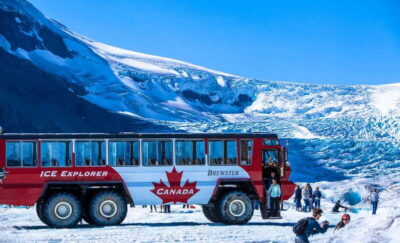 ★ 4.6Jasper: Columbia Icefield Skywalk and Ice Explorer TicketFrom $962,444 reviews
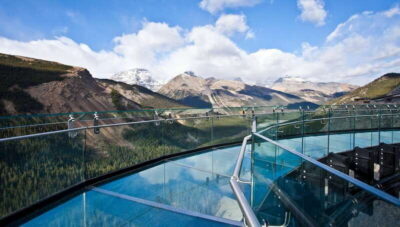 ★ 4.3Jasper: Columbia Icefield SkywalkFrom $37916 reviews
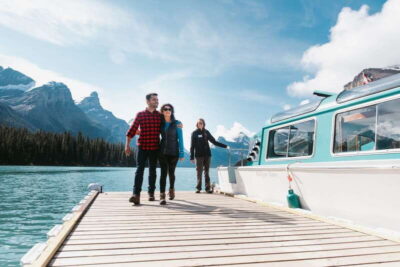 ★ 4.7Jasper National Park: Maligne Lake Cruise With GuideFrom $84896 reviews
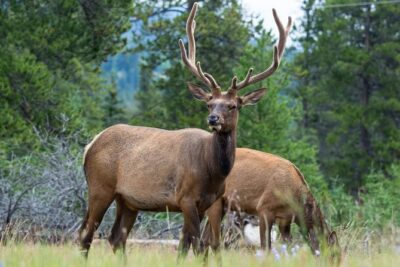 ★ 4.5Jasper Evening Wildlife TourFrom $65710 reviews
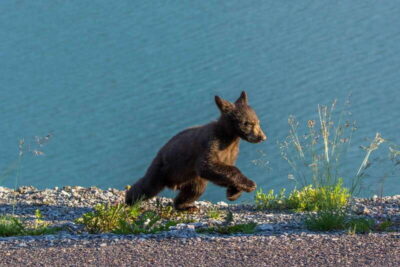 ★ 4.6Jasper National Park: Evening or Morning Wildlife Watch TourFrom $63691 reviews
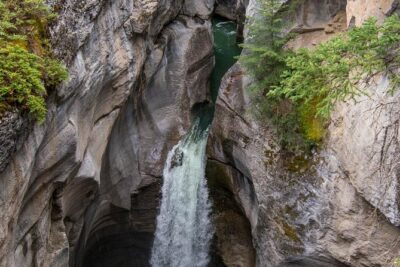 ★ 5.0Jasper Wildlife & Sightseeing Tour with Maligne Lake CruiseFrom $176603 reviews
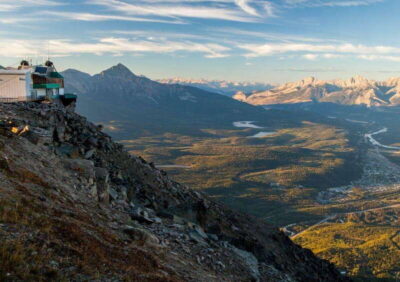 ★ 4.7Jasper SkyTram Roundtrip Flight TicketFrom $59567 reviews
 ★ 4.5Maligne Lake CruiseFrom $86502 reviews
Browse the lists this tour appears in