
Reviewed · CANOES & KAYAKS
Banff National Park- Double Kayak Experience
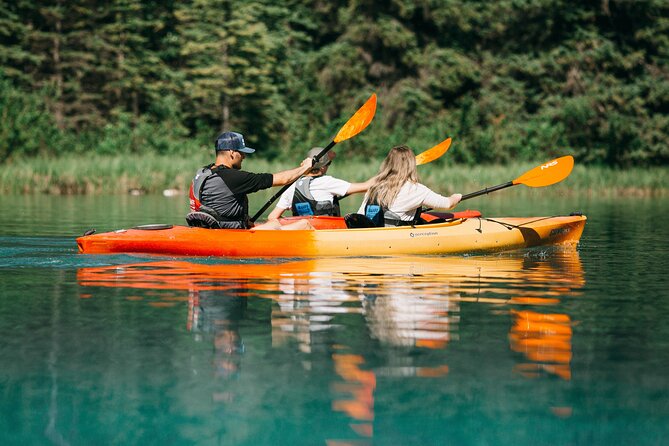
Banff’s waterways make you slow down fast. This guided double kayak outing mixes the Bow River with a calmer float over Vermilion Lakes, so you get both moving-water scenery and still, mirror-like reflections. It’s a smart way to see Banff’s best “out there” views without committing to a full day hike.
I especially like the guide-led pacing and the way they handle tricky bits. Reviews flag guides like Maddie, Ben, Darby, Amelia, and Abby as welcoming and patient, and that matters when you’re learning or concentrating. I also like the bonus photo energy—some guides help snap action shots for the group, and that turns a simple paddle into something you’ll actually want to keep.
One thing to keep in mind: it’s not recommended if you have zero kayaking experience, and you’ll need moderate fitness. If you’re the type who overthinks balance, this may take more effort than you expect—so be honest with yourself before you book.
In This Review
- Key things to know before you go
- Banff double kayak: why this route works so well
- Meeting at Banff Canoe Club: how the start sets the tone
- Bow River paddle: turquoise water, mountain turns, and a beaver dam moment
- Vermilion Lakes float: calmer water and better reflection odds
- Double kayak in real life: what moderate fitness really means
- Guides and safety: the part that turns an activity into an experience
- Weather and timing: why early paddles feel better in summer
- Price and value: $127.38 per group for two hours on two waters
- What to bring so you don’t ruin your photos (or your day)
- Should you book the Banff Canoe Club double kayak?
- FAQ
- FAQ
- How long is the double kayak experience?
- Where does the tour start and end?
- What’s included in the price?
- What fitness level do I need?
- Do I need previous kayaking experience?
- What’s the group size limit?
- What happens if the weather is poor or I need to cancel?
Key things to know before you go
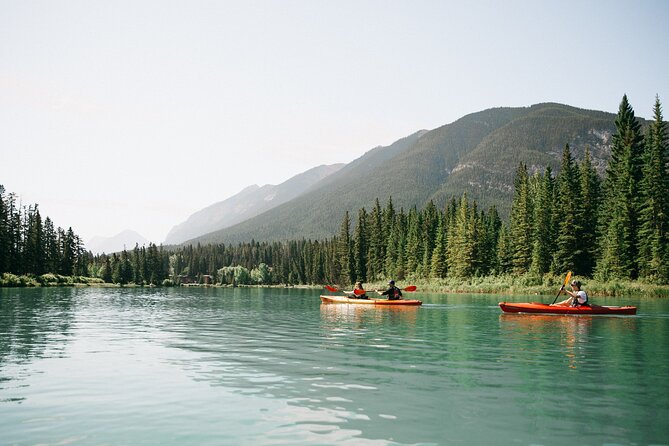
- Two-water experience: Bow River plus Vermilion Lakes in about two hours.
- Small group feel: maximum of 12 travelers, so you’re not lost in a crowd.
- Guides handle the hard parts: expect navigation support, including a beaver dam crossing.
- Wildlife chances: reviewers mention lots of wildlife along the route.
- Photos can be part of the deal: some guides take group action pics and share them at the end.
- Bring bug spray: mosquitos showed up in strong numbers for at least one July trip.
Dip a paddle on more canoe and kayak trips in Banff
- Banff National Park Big Canoe Tour★ 5.0 · 303 reviews
- Banff National Park: Big Canoe River Explorer Tour★ 4.7 · 286 reviews
- Banff: Wildlife on the Bow River Big Canoe Tour★ 4.7 · 130 reviews
- Wildlife on the Bow | Big Canoe Tour in Banff National Park★ 5.0 · 77 reviews
Banff double kayak: why this route works so well
If you’ve been hiking Banff for days, your legs probably want a break. That’s where this kind of kayaking hits the sweet spot. You still get outdoors time—fresh air, mountains, and wildlife—but your body gets to work in a different way: paddling, balancing, and steering instead of climbing.
What makes this particular experience feel well-designed is the pairing. The Bow River gives you that classic Banff river feel—water moving through steep valleys, with towering views around every bend. Then you shift to Vermilion Lakes, where the water tends to be calmer and the scenery becomes more about reflections and stillness. It’s a two-part “pace change,” and that keeps the trip from feeling repetitive.
The route also matches how most people actually travel Banff. You want big scenery, but you don’t always want to gamble a whole day on weather, crowds, and energy. A guided 2-hour paddle is a practical compromise.
Meeting at Banff Canoe Club: how the start sets the tone
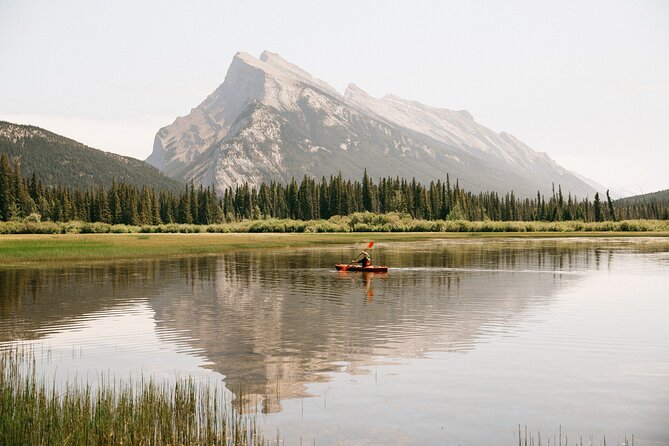
You’ll meet at Banff Canoe Club, at the corner of Bow Ave and Wolf St (Banff, AB T1L 1A8). The activity ends back at the same meeting point, so you’re not planning transportation for the return.
One small detail that makes a difference: you’ll have a mobile ticket. That’s convenient in a place where you’ll likely be juggling reservations, weather checks, and phone battery. Still, bring a little extra care for the rest of the day—reviews include a cautionary tale about a phone accidentally ending up in the water.
The trip leader provides what you need to start safely: life jackets and paddles, plus the kayak itself. That means you’re not showing up and suddenly realizing you forgot the one thing you can’t fake.
Bow River paddle: turquoise water, mountain turns, and a beaver dam moment
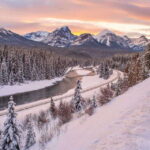
The Bow River is a real character. The water is described as turquoise, winding through dramatic mountain scenery and lush forests. You’ll be out on a moving river, which means you’re not just taking scenic photos—you’re actively steering and responding to the current.
This is also where the trip earns its “worth it” reputation. Multiple reviews mention navigation through narrow sections and an unexpected beaver dam crossing. That’s the kind of moment that sounds minor until you’re actually there, balancing and trying to look confident while your guide works out the best way through.
A good guide turns that into a controlled, confidence-building thing. Several reviewers praised their guide’s patience and safety mindset. If you’re someone who worries about looking like you don’t know what you’re doing, you’ll likely appreciate how the trip is guided step-by-step.
Wildlife shows up in the overall route too. People mention wildlife around the river area, and the riverbanks are the kind of place where you might catch movement you’d miss from land. This is one reason guided kayaking is better value than renting solo and hoping you spot something.
Photo tip, seriously: at least one review warns that taking pictures while you’re moving can cost you your phone. If you plan to film or snap while paddling, keep your device secured and avoid balancing your whole plan on one waterproof case.
Vermilion Lakes float: calmer water and better reflection odds
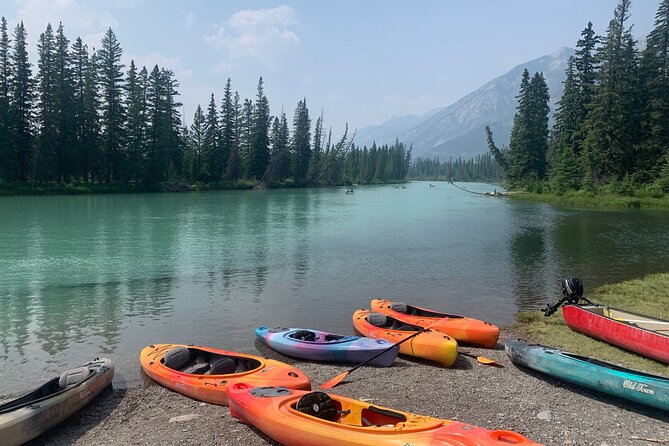
After the Bow River, the trip shifts into a quieter mode at Vermilion Lakes. This part is all about the contrast: mirror-like water, wide open Alberta sky, and peaks reflected back at you.
The Vermilion Lakes area is also described as peaceful and connected to wetlands, with wildlife activity around the shore. That matters because it changes how you “watch” the trip. On a river, you’re scanning ahead for navigation. On calmer lakes, you can slow down and look sideways—birds, shoreline movement, and how the light changes minute to minute.
Reviewers highlight this section as relaxing and scenic, and one person called it a welcome change after hiking and biking. In practical terms, it’s a great “reset” for anyone who wants to do something active without having to keep pushing their body.
Photography tends to work better here too, because the water is calmer. Just remember the earlier caution: capturing photos is fun, but don’t get so focused that you forget your footing and grip. Lakes may feel “easy,” but you’re still in a small craft with limited room for mistakes.
Roam deeper into the parks on more trips around Banff


Double kayak in real life: what moderate fitness really means
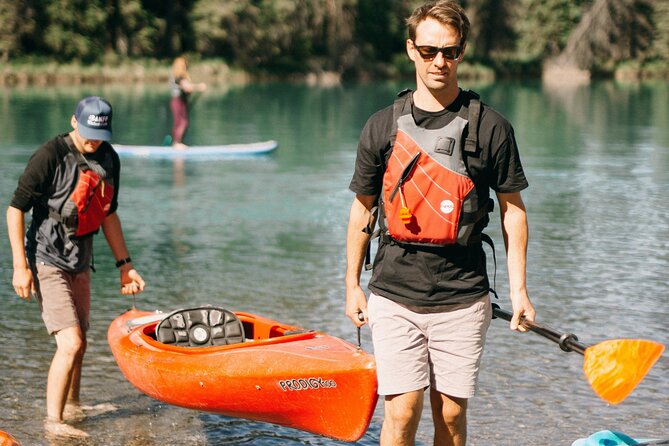
The tour notes ask for moderate physical fitness. That’s a useful phrase because it doesn’t mean “you must be an athlete.” It does mean you’ll be doing steady paddling and controlling your kayak, not just floating.
The bigger limitation is experience. The experience is not recommended for travelers without previous kayak experience. That’s important. Even with a guide, you’ll still have to coordinate with the kayak’s movement—especially on a river where water flow affects how your craft tracks.
So here’s how to judge yourself fairly:
- If you’ve paddled before and understand basic control, you’ll likely find it manageable.
- If you’ve never been in a kayak, expect this to feel like you’re learning while also navigating river conditions.
Stability can also be a factor. A “double kayak” means you’re sharing space with a partner. If you and your partner don’t paddle in a similar rhythm, the kayak will respond. A good guide can help you start and adjust, but it still helps when both people are ready to cooperate.
And yes, there’s that beaver dam crossing again. That’s not just scenery—it’s a physical navigation moment that asks you to follow instructions quickly and keep your balance.
Guides and safety: the part that turns an activity into an experience
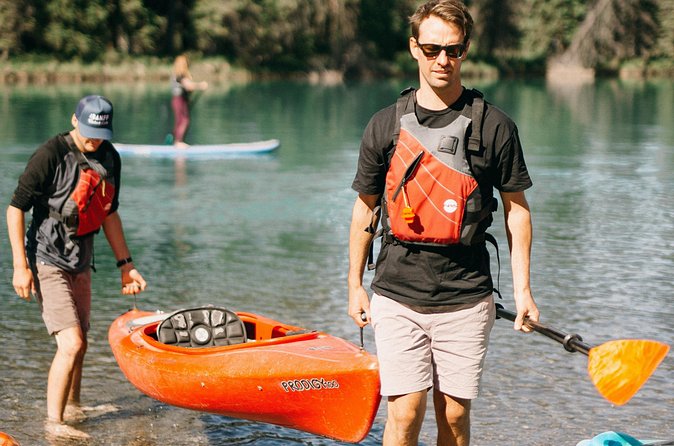
In a place like Banff, a lot of tours look good on paper. The real difference is the guide. In this kayaking experience, guides come through in the feedback again and again.
People describe guides as informative, polite, and welcoming. Names you’ll see in the reviews include Maddie, Darby, Ben, Amelia, and Abby—and the common theme is how they make you feel safe without turning the vibe into a lecture.
One reviewer even said the guide was great and very patient, especially around the beaver dam crossing. Another mentioned feeling safe while crossing it, plus helpful tips during the route. That tells me the guide approach is not just “follow me.” It’s more like: watch, listen, then act.
Safety also shows up in timing and organization. Reviews call out the tour as safe and punctual. That matters because in Banff, weather can shift, and early river time is often the sweet spot.
The trip leader also helps with group photos. Some reviewers specifically mention action pics taken for the group and shared for free at the end. Even if you don’t care about photos, it’s a useful sign that the guide is paying attention to angles, timing, and group comfort—not just getting people from point A to point B.
Weather and timing: why early paddles feel better in summer
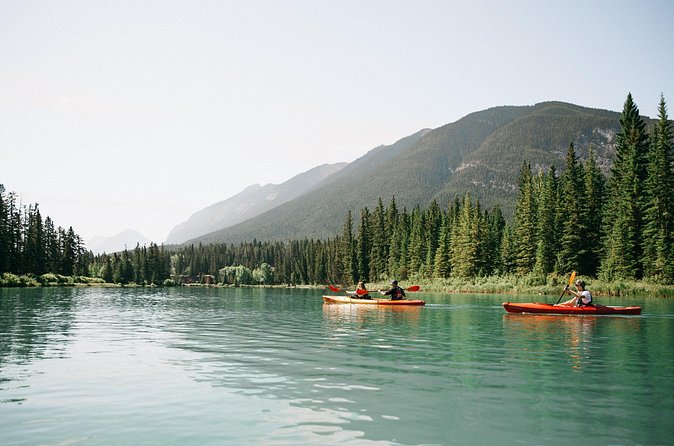
This experience needs good weather. If conditions aren’t right, you’ll be offered a different date or a full refund. In real life, that means the schedule isn’t just random—it’s tied to safe river and lake conditions.
Timing can also change the feel of the trip. One reviewer called out that an 8am July start was perfect because it wasn’t too hot yet, and it helped avoid crowds. Even if your exact start time differs, the takeaway is solid: earlier usually means better comfort and fewer people competing for prime viewpoints.
If you’re visiting in peak season, that kind of timing is value. You get the scenery without the “everyone’s here” pressure.
Price and value: $127.38 per group for two hours on two waters
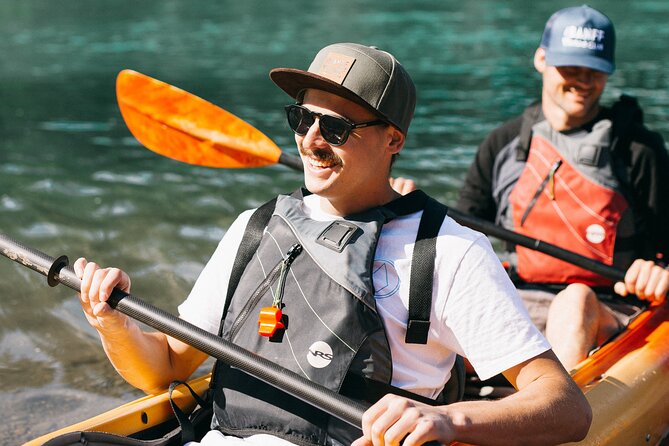
At $127.38 per group (up to 2), this isn’t a budget activity—but it’s also not priced like a luxury experience. You’re paying for guided expertise, the water route, and the included equipment.
Here’s why it can feel like good value:
- Everything you need is included: kayak, life jackets, paddles, and a trip leader.
- You get two different water settings in one outing, not just one short segment.
- Group size is limited (max 12 travelers), which generally improves the quality of instruction and attention.
- Reviews are strongly positive—5/5 with 100% recommendation—based on the experience and guide quality.
One practical way to think about it: kayaking requires gear and a guide to reduce stress. If you’re already paying for rentals elsewhere, you’ll notice the math changes quickly. Here, you avoid the “rent gear, figure it out, hope you don’t hit a wall” part.
Still, because it’s priced per group up to two, it’s best when you’re traveling with a partner or friend who paddles well. If you’re solo, it may be harder to justify versus tours designed per person—but the tour format here is built for pairs.
What to bring so you don’t ruin your photos (or your day)
The information provided doesn’t list a formal packing checklist, but the reviews give clear direction.
- Bug spray: one reviewer called out lots of mosquitos.
- Phone security: if you plan photos, don’t hold everything in your hands while paddling. One review mentions a phone lost in the lake and the difficulty of getting it back.
- Wear sensible clothing: kayaking weather can be different on the river than on land. You’ll want clothes you don’t mind getting damp.
- Bring a calm partner mindset: double kayaks work better when you and your partner paddle together instead of battling each other’s rhythm.
Also, consider what kind of traveler you are. If you like learning something while doing something outdoorsy, this tour style tends to fit. Reviews mention guides teaching about the area, plus suggestions shared during the paddle.
Should you book the Banff Canoe Club double kayak?
You should book if:
- you want a guided kayaking outing that’s short enough to fit into a busy Banff itinerary
- you like the idea of seeing both Bow River and Vermilion Lakes in one go
- you care about safety and guidance for moments like the beaver dam crossing
- you’ll bring bug spray and keep your phone secured
You might skip it if:
- you have no previous kayak experience
- you’re expecting a fully effortless float the entire time
- you want a tour that’s more about doing nothing than paddling and steering
FAQ
FAQ
How long is the double kayak experience?
It runs for about 2 hours.
Where does the tour start and end?
It starts at Banff Canoe Club, corner of Bow Ave and Wolf St, Banff, AB T1L 1A8, Canada, and it ends back at the same meeting point.
What’s included in the price?
The tour includes a kayak, a trip leader, life jackets, and paddles.
What fitness level do I need?
The tour calls for moderate physical fitness.
Do I need previous kayaking experience?
Yes. It’s not recommended for travelers without previous kayak experience.
What’s the group size limit?
The activity has a maximum of 12 travelers.
What happens if the weather is poor or I need to cancel?
The experience requires good weather. If it’s canceled due to poor weather, you’ll be offered a different date or a full refund. You can cancel for a full refund up to 24 hours in advance. Canceling less than 24 hours before the start time isn’t refunded.
A Few More National Park Trips around Banff


A Few More Paddling Trips around Banff


More Tour Reviews in Banff
Still scrolling? A few other Banff adventures worth a spot on the itinerary
Canoes & Kayaks, compared.
 ★ 5.0Banff National Park Big Canoe TourFrom $69303 reviews
 ★ 4.7Banff National Park: Big Canoe River Explorer TourFrom $67286 reviews
 ★ 5.0Wild Current Canoe Adventure Join a small groupFrom $165177 reviews
 ★ 5.0River Explorer | Big Canoe Tour in Banff National ParkFrom $69153 reviews
 ★ 4.7Wildlife on the Bow River Big Canoe TourFrom $67130 reviews
 ★ 5.0Banff/Canmore Moraine Lake & Lake Louise– Hike, Canoe or SightseeFrom $156104 reviews
 ★ 5.0Wildlife on the Bow | Big Canoe Tour in Banff National ParkFrom $6977 reviews
★ 5.0Banff National Park Big Canoe TourFrom $6952 reviews
Browse the lists this tour appears in